AOD-9604 vs HGH Fragment 176-191
AOD-9604 vs HGH Fragment 176-191: the structural difference, stability, human evidence, fat-loss claims, risks, and honest by-goal picks.
AOD-9604 vs HGH Fragment 176-191 is mostly a comparison between a stabilized analog and the peptide region it copies. AOD-9604 adds an N-terminal tyrosine to the HGH fragment, but neither has established fat-loss efficacy: AOD-9604’s human weight-loss trials were largely null, while the raw fragment has no human efficacy trial.
Is AOD-9604 the same as HGH Fragment 176-191?
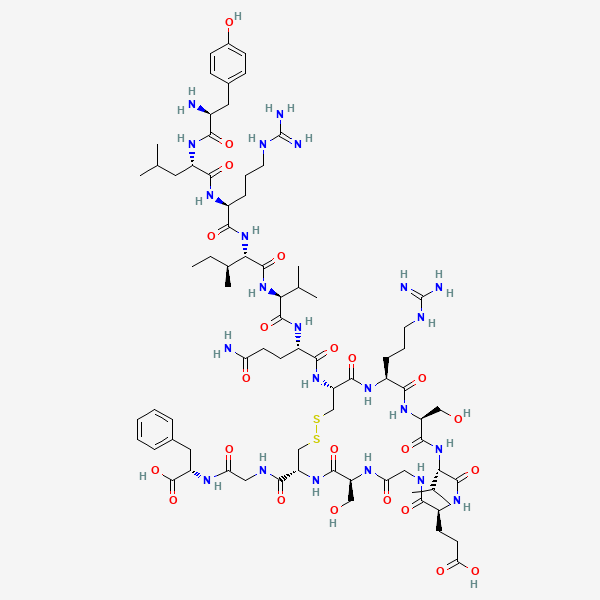
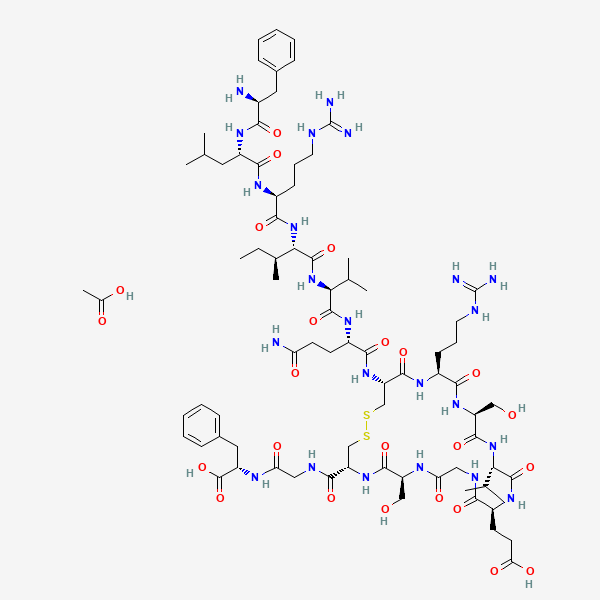
AOD-9604 is not exactly the same as HGH Fragment 176-191, but the two are close enough that the confusion makes sense. HGH Fragment 176-191 is the unmodified tail region of human growth hormone; AOD-9604 uses that region and adds a tyrosine at the N-terminus, meaning the beginning of the peptide chain, to improve stability. Think of AOD-9604 as the raw fragment with one structural edit, not as a separate class of compound.
That distinction answers the common question, is aod-9604 the same as hgh fragment 176-191: near-identical is fair; identical is not. The dedicated AOD-9604 profile lists it as a synthetic 16-amino-acid analog, while the HGH Fragment 176-191 profile covers the unmodified fragment.
What does the added tyrosine change?
AOD-9604’s added N-terminal tyrosine was intended to make the HGH fragment more stable and more suitable for drug development. The proposed fat-metabolism idea does not change: both compounds copy the C-terminal portion of growth hormone associated with lipolysis, the breakdown of stored fat. The edit changes the molecule’s stability framing, not the need to prove that the molecule produces meaningful fat loss in people.
HGH Fragment 176-191 is therefore the closer match to the raw growth-hormone sequence. AOD-9604 is the more drug-like research candidate. Claims that the extra tyrosine turns AOD-9604 into a dramatically different fat burner run well past the evidence; one added amino acid is a real chemical difference, not a permission slip for bigger promises.
Which compound has better human evidence?
AOD-9604 has the stronger human evidence base because it reached placebo-controlled obesity trials; HGH Fragment 176-191 did not. That advantage needs its full sentence: AOD-9604 was well tolerated and avoided the blood-sugar and IGF-1 effects associated with whole growth hormone, but the larger obesity study did not show meaningful weight loss over placebo. Human testing happened, and the efficacy answer was largely null.
HGH Fragment 176-191 remains Animal-only · unknown verdict · None-in-humans for fat-loss efficacy. AOD-9604 ranks Human-controlled · mixed verdict, since human safety signals and preclinical fat-metabolism findings sit beside disappointing human weight-loss results. No trial has compared them directly; this page weighs their separate records. Our evidence-grading guide explains why “tested in humans” and “worked in humans” are not synonyms.
Does either one have established fat-loss efficacy?
Neither AOD-9604 nor HGH Fragment 176-191 has established clinically meaningful fat loss for the research-chemical forms discussed today. AOD-9604’s animal data and proposed mechanism pointed toward fat breakdown, yet its human obesity program did not deliver the hoped-for weight-loss result. The raw HGH fragment has an even larger gap: animal and laboratory findings, but no human efficacy trial at all.
That is the central correction in hgh fragment 176-191 vs aod 9604 searches. These peptides are often marketed as if “the fat-burning part of growth hormone” automatically means fat loss on a person. Biology is less cooperative. A plausible mechanism can earn a clinical trial; it cannot substitute for the result. Readers comparing broader options can start with the evidence-focused guide to peptides for weight loss.
How do reported use and dosing differ?
AOD-9604 and HGH Fragment 176-191 are both discussed in research-peptide circles for stubborn-fat or cutting goals, commonly alongside dieting, fasted cardio, and subcutaneous use. Those reports are anecdotal and heavily confounded: someone who changes food intake, training, cardio, and a peptide at once has created a very busy experiment. No human trial has validated an injectable fat-loss dose for either research-market product.
AOD-9604’s human obesity studies used the developer’s oral formulation, not the injectable material commonly discussed now. HGH Fragment 176-191 has no tested human dose for fat-loss efficacy. That makes protocol-versus-protocol claims in an aod-9604 vs hgh frag discussion especially shaky. Reported use explains why people compare the compounds; it does not prove that the timing, route, or dose works.
What are the safety and regulatory differences?
AOD-9604 carries the more informative human safety record, while direct human safety data for raw HGH Fragment 176-191 are essentially absent. AOD-9604 was well tolerated in its obesity program without meaningful changes in blood sugar or IGF-1. That finding cannot simply be copied onto HGH Fragment 176-191, because the added tyrosine makes AOD-9604 a different molecule and the raw fragment was not the one tested.
Both compounds were research-use-only in the United States as of July 2026. Neither is FDA-approved or a lawful dietary supplement, and unregulated products add purity, dose-accuracy, and sterility risks beyond the molecule itself. Both are also prohibited in sport under growth-hormone-fragment rules; current athletes should verify the latest listing through GlobalDRO. The site’s regulatory-status reference explains these labels without turning “available online” into “approved for human use.”
Which one fits which goal?
AOD-9604 fits a stability-focused comparison and offers more human safety data; HGH Fragment 176-191 fits a research question specifically about the unmodified growth-hormone tail. For someone asking which has the better evidence base, AOD-9604 is the relative pick, but not because it proved fat loss. Its main human advantage is that researchers actually tested it and learned that the expected weight-loss benefit largely failed to appear.
HGH Fragment 176-191 is the honest pick only when studying the raw fragment itself is the goal. For evidence-backed weight loss, neither deserves a clean win. The structured by-goal picks reflect reported use and research fit, not a universal winner. Readers exploring this family can also use the growth-hormone peptide hub to compare related compounds without dressing near-identical fragments up as reliable fat burners.
AOD-9604 vs HGH Fragment 176-191, point by point
Every dimension side by side — the honest differences, not a scoreboard.
| Dimension | AOD-9604 | HGH Fragment 176-191 |
|---|---|---|
| What it is | A synthetic 16-amino-acid analog of the HGH 176-191 region, with an added N-terminal tyrosine. | A synthetic copy of the unmodified C-terminal HGH region around amino acids 176-191. |
| Structural difference | The HGH fragment sequence plus an N-terminal tyrosine. | The raw HGH 176-191 fragment without AOD-9604's added tyrosine. |
| Stability | Modified to be more stable and drug-like than the raw fragment. | The unmodified fragment; direct human stability and pharmacokinetic data are not established. |
| Fat-loss evidence badge | Human-controlled · mixed verdict · human evidence exists, but the larger obesity trial did not show meaningful weight loss over placebo. | Animal-only · unknown verdict · None-in-humans for fat-loss efficacy. |
| Human testing | Studied in placebo-controlled human obesity programs using the developer's oral formulation; well tolerated, but weight-loss results were largely null. | No human efficacy trial has tested the raw fragment for fat loss. |
| Reported-use framing | Discussed as a stability-focused GH-fragment analog for stubborn-fat goals. | Discussed as the raw GH fat-metabolism fragment, often around cutting and fasted-cardio routines. |
| US regulatory status (2026) | Research-use-only; not FDA-approved and not a lawful dietary supplement. | Research-use-only; not FDA-approved and not a lawful dietary supplement. |
| Banned in sport | Yes. AOD-9604 is prohibited under WADA's S2 growth-hormone-fragment rules. | Yes. HGH fragments are prohibited under WADA's S2 rules. |
- What it is: They are near-identical relatives, not unrelated fat-loss peptides.
- Fat-loss evidence badge: No trial has compared the two compounds directly; this comparison weighs their separate evidence.
- Reported-use framing: Reported use is anecdotal and does not establish that either compound reduces fat in people.
AOD-9604 vs HGH Fragment 176-191: the two molecules
The 2D chemical structures, straight from PubChem — a quick way to see how similar (or not) the two actually are.
Which one fits which goal?
There's no universal winner here — the honest answer depends on what you're after. These picks are framed by goal, and each says why.
Prioritizing the compound with human safety data
Leans toward AOD-9604
AOD-9604 was tested in human obesity programs and was well tolerated, although those trials did not establish meaningful weight loss.
Researching the unmodified HGH tail fragment itself
Leans toward HGH Fragment 176-191
HGH Fragment 176-191 is the closer fit when the research question specifically concerns the raw C-terminal HGH region rather than its tyrosine-modified analog.
Choosing between the two for evidence-backed fat loss
Leans toward AOD-9604
AOD-9604 has the stronger human evidence base, but the pick is only relative: its human weight-loss findings were largely null, so neither option has established fat-loss efficacy.