BPC-157 vs MK-677
BPC-157 vs MK-677 compares animal-only tissue-repair evidence with human GH trials, real metabolic costs, andundefinedUS legal status.
BPC-157 vs MK-677 is a repair-research peptide versus an oral growth-hormone secretagogue, not a contest between two dietary supplements. BPC-157 has animal evidence for tissue healing; MK-677 has human randomized trials showing higher GH and IGF-1, plus appetite, fluid-retention, and glucose costs. No trial has compared them directly.
Are BPC-157 and MK-677 dietary supplements?
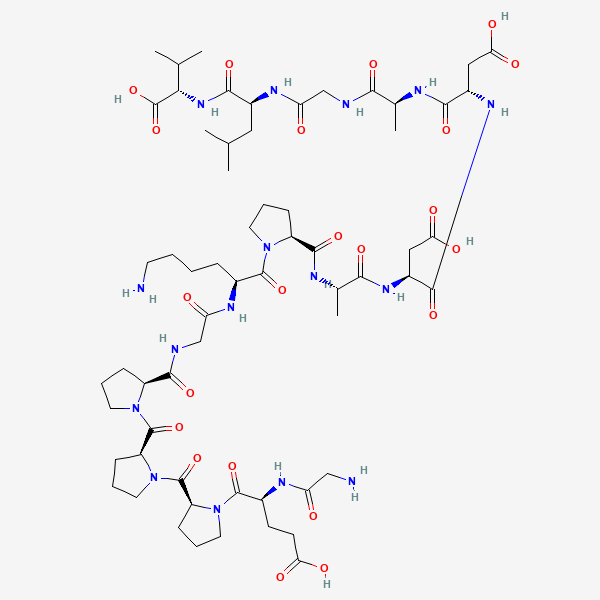
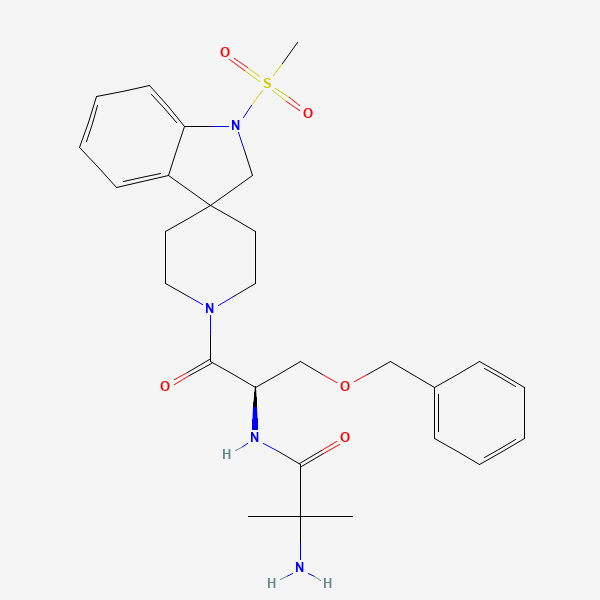
BPC-157 and MK-677 are not dietary supplements, despite the label repeated across the vendor-heavy search results. BPC-157 is a synthetic 15-amino-acid investigational peptide with no FDA-approved indication. MK-677, also called ibutamoren, is not even a peptide: it is an investigational small-molecule drug that activates the ghrelin receptor and can be taken orally.
The legal distinction is just as plain. FDA states that ibutamoren is an unapproved active drug ingredient and is excluded from the dietary-supplement definition because substantial public clinical investigations began before any supplement marketing. BPC-157 is neither an approved drug nor a lawful supplement ingredient. A storefront category cannot turn either molecule into whey protein.
How do their mechanisms and goals differ?
BPC-157 targets a tissue-repair research question, while MK-677 changes the growth-hormone system throughout the body. BPC-157’s proposed repair effects involve new blood-vessel growth, fibroblast activity, and nitric-oxide signaling in injured tissue. MK-677 mimics ghrelin at its receptor, prompting the pituitary to release more growth hormone and raising insulin-like growth factor 1 (IGF-1).
That makes ibutamoren vs BPC-157 a comparison of endocrine stimulation versus preclinical repair signaling, not two versions of the same recovery tool. BPC-157 research centers on tendons, ligaments, muscle, wounds, and the gut. MK-677 research centers on GH and IGF-1 output, appetite, body composition, bone turnover, and growth hormone deficiency. The broad word “recovery” hides more than it explains here.
Which compound has the better evidence?
MK-677 has the stronger human evidence, but only for outcomes its trials actually measured. A two-year randomized trial in 65 healthy adults aged 60–81 used 25 mg orally once daily. MK-677 raised GH and IGF-1 and increased fat-free mass relative to placebo, but did not clearly improve strength or physical function. More lean mass on a scan is not automatically more useful muscle.
BPC-157 remains animal-only for efficacy. A 2025 review found broad preclinical support but only three small human pilot studies, with no rigorous large-scale trial establishing musculoskeletal benefit. A Phase 2 hamstring study is now running, so the human test has started; no result exists yet.
No direct head-to-head trial supports either side of mk 677 vs bpc 157. The shared animal-only badge above deliberately follows the weaker compound, BPC-157. It should not be read as downgrading MK-677’s human trials—or upgrading BPC-157 to their level. The central bpc-157 vs mk-677 evidence gap is human proof of actual injury recovery, not whether either compound can move a biological marker.
What are the practical safety trade-offs?
MK-677 has better-characterized risks; BPC-157 has a larger blank space where human safety data should be. In the older-adult RCT, fasting glucose rose by an average of 5 mg/dL and insulin sensitivity declined. Increased appetite, mild lower-leg swelling, and muscle pain were common. FDA also flags a potential congestive-heart- failure signal from a separate hip-fracture program.
BPC-157 lacks enough controlled human exposure to estimate common adverse effects or long-term risk. The injectable research market adds separate problems: sterility, purity, dose accuracy, peptide aggregation, and immune reactions. “Fewer documented side effects” is not the same as safer when the human denominator is tiny.
For someone asking for the best peptide for recovery, the evidence-based answer depends on the goal. BPC-157 is the closer research match for a localized soft-tissue injury, but that match rests on animal work. MK-677 has human pharmacology, yet its proven effects are higher GH and IGF-1—not proven tendon repair—and the glucose and fluid costs are real.
What is the BPC-157 legal status in 2026?
The BPC-157 legal status 2026 story is moving, but no regulatory step has made BPC-157 approved. FDA placed BPC-157 in Category 2 in September 2023 over potential compounding risks. FDA’s current risk page now lists BPC-157 among nominations withdrawn from Category 2, while BPC-157 free base and acetate are scheduled for 503A Bulks List review on July 23, 2026.
The FDA meeting materials identify docket FDA-2026-N-2979 in the submission instructions. An advisory committee recommendation is non-binding, and a favorable vote would address whether pharmacies may eventually compound BPC-157 under section 503A. Reclassification would not be FDA approval, would not authorize gray-market products, and would not transform rodent healing results into human evidence.
MK-677 remains an unapproved investigational drug in July 2026. FDA has separately placed ibutamoren mesylate in Category 2 for both 503A and 503B compounding, citing the heart-failure signal, and has taken action against products marketed as dietary supplements. Regulatory paperwork moved; the biology did not.
Which one fits which recovery goal?
BPC-157 fits the localized tissue-repair research question; MK-677 fits the goal of measurably raising GH and IGF-1 with human trial support. MK-677 is also the pick when evidence depth matters most. BPC-157 is the pick when the research target is tendon, ligament, or muscle repair rather than systemic endocrine stimulation—without pretending that animal efficacy equals a human result.
Neither compound wins every goal, and neither has a direct comparative trial. The by-goal cards preserve that distinction. For the wider repair landscape, see the peptides for healing and recovery guide, then read each compound profile before comparing labels, doses, or legal status.
BPC-157 vs MK-677, point by point
Every dimension side by side — the honest differences, not a scoreboard.
| Dimension | BPC-157 | MK-677 |
|---|---|---|
| What it is | A synthetic 15-amino-acid peptide studied mainly in animal models of tissue injury. | Ibutamoren, an oral non-peptide small molecule that activates the ghrelin receptor. |
| Main research target | Tendon, ligament, muscle, wound, and gastrointestinal repair. | Growth-hormone release, IGF-1, body composition, appetite, and growth-hormone deficiency. |
| Evidence tier | Animal-only for efficacy; published human evidence is limited to small uncontrolled reports. | Human RCT: randomized trials show higher GH and IGF-1 and increased fat-free mass. |
| What the evidence does not prove | That tissue-healing effects seen in rodents improve injuries in people. | That higher GH, IGF-1, or fat-free mass reliably produces more strength or better physical function. |
| Format studied or reported | Animal studies use several routes; community use is commonly reported as subcutaneous injection. | Oral dosing; a two-year older-adult RCT used 25 mg once daily. |
| Main safety problem | Human safety is poorly characterized, including long-term effects and risks from unregulated injectable products. | Increased appetite, edema, higher fasting glucose, reduced insulin sensitivity, and a heart-failure signal in a frail population. |
| US regulatory status (July 2026) | Unapproved; moved to FDA Category 2 in September 2023, later listed among withdrawn nominations, and under review for 503A eligibility on July 23, 2026. | An unapproved investigational drug; FDA says ibutamoren is excluded from the dietary-supplement definition. |
- What it is: Calling both compounds peptides or dietary supplements is chemically and legally wrong.
- Evidence tier: No trial has compared BPC-157 and MK-677 directly; this comparison weighs their separate evidence.
- US regulatory status (July 2026): A favorable 503A recommendation would concern compounding eligibility. It would not approve BPC-157 or strengthen its efficacy evidence.
BPC-157 vs MK-677: the two molecules
The 2D chemical structures, straight from PubChem — a quick way to see how similar (or not) the two actually are.
Which one fits which goal?
There's no universal winner here — the honest answer depends on what you're after. These picks are framed by goal, and each says why.
Studying localized tendon, ligament, or muscle repair
Leans toward BPC-157
BPC-157 is the compound whose preclinical program directly studies injured soft tissue, although human efficacy remains unproven.
Prioritizing measurable human GH and IGF-1 effects
Leans toward MK-677
MK-677 has randomized human trials showing that it raises GH and IGF-1; BPC-157 does not have comparable human efficacy evidence.
Prioritizing the stronger human evidence base
Leans toward MK-677
MK-677 has human randomized trials, while BPC-157 remains animal-only for the healing outcomes people seek.
Studying repair without deliberately raising GH and IGF-1
Leans toward BPC-157
BPC-157 is not a GH secretagogue. That does not make it proven or safer; it means the research question is tissue repair rather than endocrine stimulation.
References
- 1.BPC-157 for musculoskeletal healing — 2025 scoping review (PubMed)
- 2.MK-677 in healthy older adults — two-year randomized controlled trial (PMC)
- 3.FDA — certain bulk drug substances that may present significant safety risks
- 4.FDA warning letter — ibutamoren is an unapproved drug and excluded from the dietary-supplement definition
- 5.FDA Pharmacy Compounding Advisory Committee meeting — July 23–24, 2026