Cagrilintide vs Pramlintide
How Cagrilintide and Pramlintide compare — what each is, how strong the human evidence is for each, doses reported in research, the key risks, and 2026 US legal status. No universal winner.
Cagrilintide and Pramlintide come up together when people are weighing similar options. Here's the honest side-by-side: what each is, how strong the human evidence is for each, the doses reported in research, the risks, and where each stands with the FDA as of 2026. There's no universal winner — scroll to the by-goal picks for which one fits which goal.
Cagrilintide vs Pramlintide, point by point
Every dimension side by side — the honest differences, not a scoreboard.
| Dimension | Cagrilintide | Pramlintide |
|---|---|---|
| What it is | Long-acting amylin analogue (a lipidated, modified synthetic version of the pancreatic hormone amylin) | Synthetic amylin analog (a modified version of the pancreatic hormone amylin) |
| Class / category | Incretin / metabolic | Incretin / metabolic |
| Evidence tier | Human RCT · Helped | Human RCT · Helped |
| Studied / approved for | Weight management / obesity; Type 2 diabetes (as part of CagriSema) | Adjunct to mealtime insulin in adults with type 1 diabetes who have not reached desired glucose control despite optimal insulin therapy; Adjunct to mealtime insulin in adults with type 2 diabetes who have not reached desired glucose control despite optimal insulin therapy |
| US regulatory status (2026) | investigational (as of Jul 2026) | fda approved (as of Jul 2026) — approved for Adjunct to mealtime insulin in adults with type 1 diabetes, Adjunct to mealtime insulin in adults with type 2 diabetes |
| Doses reported in research | No established study doses | No established study doses |
| Registered trials (ClinicalTrials.gov) | 44 | No data |
| Banned in sport (WADA) | Yes — on the WADA prohibited list | Unknown |
| Key risks | Cagrilintide's side-effect profile in trials looks a lot like the GLP-1 drugs it's often paired with: mostly gastrointestinal — nausea, vomiting, diarrhea, constipation — plus injection-site reactions, usually mild to moderate and worst while the dose is being increased. Because it is still investigational, long-term human safety data are limited, and the research-market powder sold online is unregulated for purity and sterility. | Symlin carried a boxed warning for severe insulin-induced hypoglycemia, particularly in type 1 diabetes and usually within three hours after injection. Nausea, vomiting, reduced appetite, and headache were common. The label required careful patient selection, frequent glucose monitoring, separate injections from insulin, and a large initial reduction in mealtime insulin under professional supervision. |
- Evidence tier: A tier reflects how human the evidence is, not a promise the compound works.
Cagrilintide vs Pramlintide: the two molecules
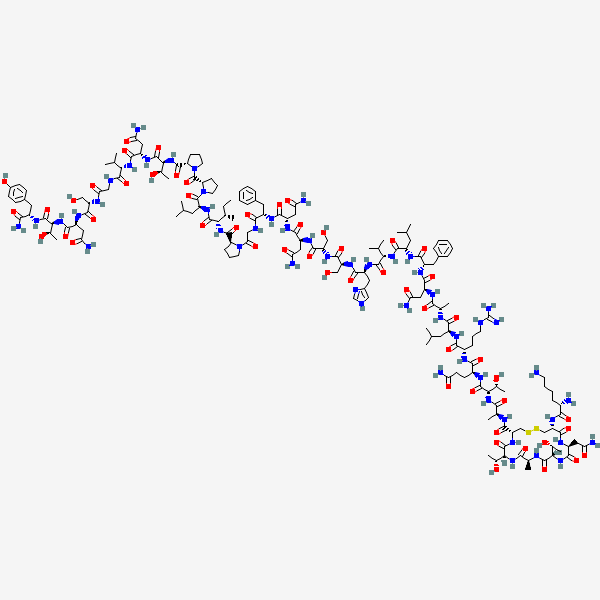
The 2D chemical structures, straight from PubChem — a quick way to see how similar (or not) the two actually are.
Which one fits which goal?
There's no universal winner here — the honest answer depends on what you're after. These picks are framed by goal, and each says why.
If you want an FDA-approved, prescribable option
Leans toward Pramlintide
Pramlintide is FDA-approved (as of Jul 2026); Cagrilintide is investigational in the US, so it isn't available as an approved prescription.
References
- 1.Cagrilintide — indexed research (PubMed, National Library of Medicine)
- 2.Cagrilintide — registered clinical studies (ClinicalTrials.gov)
- 3.REDEFINE 1 — CagriSema in people with excess body weight (ClinicalTrials.gov NCT05567796)
- 4.FDA — Drugs (approval status lookup)
- 5.Novo Nordisk files for FDA approval of CagriSema
- 6.Novo Nordisk reports headline results from REDEFINE 4