Also known as: AC137 · AC0137 · tripro-amylin · pramlintide acetate
Human RCTHelped
On this page
- What is pramlintide?
- How does pramlintide work?
- Does pramlintide work for weight loss?
- Is pramlintide safe?
- What pramlintide dosage was reported?
- Was pramlintide discontinued?
- Pramlintide vs cagrilintide: what changed?
- Evidence by outcome
- FDA & legal status
- Reported side effects
- Chemical identifiers
- References
- Related compounds
- More on Pramlintide
Pramlintide is the original FDA-approved amylin analog, used beside mealtime insulin in adults with typeundefinedor typeundefineddiabetes. Human trials show better post-meal glucose control and modest weight loss. The trade-offs are injections before major meals, nausea, and a boxed warning for severe insulin-induced hypoglycemia. Symlin is no longer marketed in the United States.
Key facts: Human RCT evidence · FDA-approved insulin adjunct; U.S. product discontinued from marketing · subcutaneous injection before major meals · roughly 1–4 kg placebo-corrected weight effects across studied settings · boxed warning for severe hypoglycemia · current sport status should be checked through GlobalDRO.
What is pramlintide?
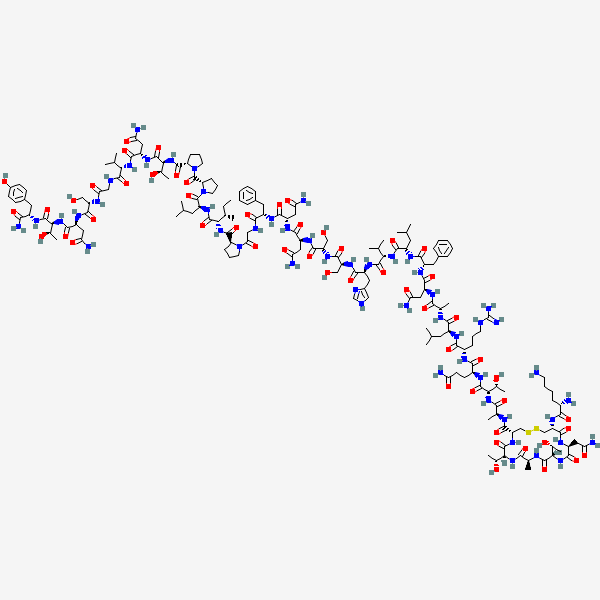
Pramlintide is a 37-amino-acid synthetic copy of amylin, the pancreatic hormone released alongside insulin after food arrives. The molecule swaps three residues in human amylin for proline; the FDA label identifies the changes at positions 25, 28, and 29. PubChem records the sequence as KCNTATCATQRLANFLVHSSNNFGPILPPTNVGSNTY, with a molecular weight near 3,949 g/mol (PubChem).
The FDA approved Symlin as an add-on, not a replacement, for mealtime insulin in certain adults whose type 1 or type 2 diabetes remained above target. Pramlintide belongs in the GLP-1 and metabolic peptide hub, but it is not a GLP-1 drug. The cleaner class explanation is what an amylin analog is.
How does pramlintide work?
Pramlintide restores part of the meal-time signal that insulin therapy does not replace. Amylin slows food leaving the stomach, suppresses the post-meal glucagon surge that tells the liver to release more glucose, and increases fullness. Think of insulin managing glucose already in circulation while amylin controls how quickly the next wave arrives.
In a randomized crossover study of 12 people with type 1 diabetes, pramlintide reduced the two-hour glucose excursion, glucagon, insulin exposure, and the rate at which meal glucose appeared in blood (Hinshaw et al.). That is direct human mechanism evidence, not a claim borrowed from rodents.
Does pramlintide work for weight loss?
Pramlintide weight loss is real but modest in the approved diabetes setting: the FDA label’s type 1 trials showed average losses of about 0.8–1.6 kg while placebo groups gained 0.4–0.8 kg. A pooled analysis in insulin-treated type 2 diabetes found a 1.8 kg placebo-corrected loss at 26 weeks. This is the honest historical benchmark behind today’s amylin excitement.
Obesity-only trials pushed farther. A 16-week trial reported a 3.6 kg placebo-corrected loss with injections three times daily. A separate 411-person study combined several twice- or three-times-daily regimens with lifestyle intervention; selected completers maintained larger losses at 12 months, but the extension was single-blind and attrition left 146 evaluable participants (Smith et al.). Pramlintide was never approved for obesity. The headline is not “amylin failed”; it is that the first-generation drug proved the pathway while asking people to inject at nearly every meal.
Is pramlintide safe?
Pramlintide carries a BOXED WARNING for severe insulin-induced hypoglycemia, particularly in type 1 diabetes. The FDA label says severe events generally appeared within three hours of injection and could cause serious injury or death during driving, machinery use, or other high-risk activity. This is the central safety fact, not fine print.
Pramlintide alone does not normally cause hypoglycemia; the danger comes from pairing it with insulin. The label therefore required careful selection, frequent glucose checks, and a 50% initial reduction in mealtime insulin under professional direction. Nausea was also common: 48% versus 17% with placebo in pooled type 1 trials and 28% versus 12% in pooled type 2 trials. Confirmed gastroparesis and hypoglycemia unawareness were contraindications (FDA label).
What pramlintide dosage was reported?
Pramlintide dosage in the label depended on diabetes type and was tied to each major meal. For type 1 diabetes, the labeled start was 15 micrograms immediately before major meals, increased in 15-microgram steps to 30, 45, or 60 micrograms if tolerated. For type 2 diabetes using mealtime insulin, the start was 60 micrograms before major meals, with an increase to 120 micrograms.
Those are historical label instructions, not a personal protocol. Symlin and insulin had to be injected separately and never mixed; the acidic Symlin formulation could change how both drugs behaved. The approximately 48-minute half-life explains the meal-by-meal schedule. It also explains why newer amylin programs chased week-long molecules.
Was pramlintide discontinued?
Pramlintide was not stripped of FDA approval, but Symlin was discontinued from U.S. marketing. FDA’s October 2025 Orange Book changes moved both Symlin pen strengths under NDA 021332 to discontinued status (FDA Orange Book). As of July 16, 2026, no currently marketed U.S. Symlin product was identified.
That distinction matters for searches such as “pramlintide discontinued.” The approved indications and boxed warning remain part of the regulatory record; practical pharmacy availability does not. A gray-market vial labeled pramlintide is not Symlin and does not inherit its FDA approval, manufacturing controls, or pen dosing. See the broader U.S. regulatory status reference for how product approval differs from molecule availability.
Pramlintide vs cagrilintide: what changed?
Pramlintide vs cagrilintide is mainly a first-generation-versus-long-acting comparison. Pramlintide lasts about 48 minutes and was labeled around major meals; cagrilintide was engineered for once-weekly dosing and obesity trials. Cagrilintide has produced larger weight losses in randomized studies, but it remains investigational in the United States as of this review.
Pramlintide still supplies the useful control case. Before weekly amylin analogs, before CagriSema, and before petrelintide headlines, an amylin analog alone repeatedly moved appetite, post-meal glucose, and body weight in humans. The catch was plain: modest average weight loss, extra injections, nausea, and insulin management serious enough to earn a boxed warning. That benchmark is less glamorous than a pipeline slide and much harder to misread.
Evidence by outcome
Each outcome Pramlintide has been studied for, with the honest evidence grade and what the studies actually found. A tier never stands alone — the verdict rides with it.
| Outcome | Evidence | What was found |
|---|---|---|
| Post-meal and long-term glucose control with insulin | Human RCTHelped | Randomized human trials found smaller post-meal glucose rises and modest HbA1c reductions when pramlintide was added to mealtime insulin. The benefit came with extra injections, nausea, and a higher early risk of severe insulin-induced hypoglycemia. |
| Weight loss | Human RCTHelped | Diabetes trials generally found modest weight loss or avoidance of insulin-related weight gain. Obesity trials found larger losses with lifestyle intervention, but pramlintide never received an FDA obesity indication. |
FDA & legal status
- United States: fda approved (as of Jul 2026) — approved for Adjunct to mealtime insulin in adults with type 1 diabetes, Adjunct to mealtime insulin in adults with type 2 diabetes
NDA 021332 remains an FDA approval, but FDA's October 2025 Orange Book changes moved both Symlin pen strengths to discontinued marketing status. No currently marketed U.S. Symlin product was identified in the July 2026 check.
Reported side effects
| Effect | Frequency | Severity |
|---|---|---|
| Severe insulin-induced hypoglycemia | — | Boxed warning; serious injury or death can occur |
| Nausea | Common; 48% in pooled type 1 diabetes trials and 28% in pooled type 2 diabetes trials in the label | Usually mild to moderate and more frequent early in treatment |
| Vomiting, reduced appetite, headache, and injection-site reactions | — | — |
Chemical identifiers
References
- 1.Symlin (pramlintide acetate) FDA prescribing information, NDA 021332
- 2.FDA Orange Book October 2025 changes list
- 3.Pramlintide compound record, PubChem CID 70691388
- 4.Pramlintide drug record, DrugBank DB01278
- 5.Sustained weight loss following 12-month pramlintide treatment in obesity
- 6.Effect of pramlintide on postprandial glucose fluxes in type 1 diabetes
More on Pramlintide
Everything else we've written about Pramlintide — what the community reports, the explainers that cover it, and the terms it keeps running into.