CJC-1295 vs MK-677
CJC-1295 vs MK-677 compares an injectable GHRH analog with oral ibutamoren, including human evidence, glucose risk, andundefinedFDA status.
CJC-1295 vs MK-677 is an injectable GHRH analog versus an oral ghrelin-receptor agonist, not a contest with one winner. Both raise GH and IGF-1 in human randomized trials, but no trial has compared them directly; the useful choice is by route, hormone pattern, evidence depth, appetite, and glucose risk.
What is the real difference between CJC-1295 and MK-677?
CJC-1295 uses the growth-hormone-releasing hormone receptor; MK-677 uses the ghrelin receptor. That receptor split explains most of the practical differences. CJC-1295 is a peptide injected under the skin. MK-677, or ibutamoren, is a non-peptide small molecule that survives digestion and is taken by mouth.
The popular search “oral vs injectable growth hormone peptide” therefore starts with a category error: MK-677 is not a peptide, not growth hormone, and not a supplement. Both are secretagogues, meaning they prompt the pituitary to release the body’s own GH. The detailed GHRH vs GHRP guide explains why those two receptor routes overlap without being interchangeable.
What do the human trials actually prove?
The human evidence proves that both compounds raise GH and IGF-1, but only MK-677 has longer body-composition data. CJC-1295’s randomized, placebo-controlled work measured hormone output and pharmacokinetics. A single injection raised mean GH for at least six days and IGF-1 for roughly 9–11 days; the study did not test muscle gain, fat loss, recovery, or strength (Teichman et al., 2006).
MK-677’s cost is clearer because researchers followed 65 healthy adults aged 60–81. In the pivotal first year, 25 mg daily increased fat-free mass while placebo lost it. The same trial also found a 5 mg/dL average rise in fasting glucose, reduced insulin sensitivity, more body weight, and no improvement in strength or physical function. Two-year exploratory results confirmed the first-year pattern (Nass et al., 2008).
That is the finding sales pages tend to trim down to “increased lean mass.” The full sentence matters: more fat-free mass did not become stronger or better-functioning older adults, and glucose control moved the wrong way. No cjc-1295 vs mk-677 trial exists, so this comparison weighs separate studies rather than pretending they shared a starting line.
Is CJC-1295 more pulsatile than MK-677?
CJC-1295 can create shorter, timed exposure only when “CJC-1295” means the no-DAC form; CJC-1295 with DAC remains active for days. The DAC trial found a 5.8–8.1-day half-life, yet separate analysis found that GH pulses persisted during the long signal. Calling every CJC product “pulsatile” and MK-677 “flat” is tidy marketing, not tidy physiology.
MK-677 has long oral exposure and raises 24-hour GH output, but the Nass trial described enhanced pulsatile secretion rather than a flat GH line. For mk 677 vs cjc 1295, the cleaner distinction is receptor and exposure window: daily ghrelin-receptor stimulation versus a GHRH signal whose duration depends heavily on DAC. Product names do a surprising amount of hiding here.
Which has the harder safety trade-off?
MK-677 has the better-documented metabolic downside; CJC-1295 has the larger long-term unknown. MK-677 repeatedly produces appetite and fluid-retention effects that fit ghrelin-receptor activation. The longer older-adult trial directly measured higher fasting glucose and lower insulin sensitivity. That does not prove every user develops diabetes, but it makes “oral convenience” an incomplete sales pitch.
CJC-1295’s short controlled record found no serious adverse reactions, with injection-site reactions and flushing reported in the profile’s source trial. That is not proof that CJC-1295 is safer. It means fewer people were observed for less time and for narrower outcomes. Ibutamoren vs cjc-1295 is therefore documented risk versus uncertainty, not “risky pill versus clean peptide.” Neither compound has an FDA-approved physique or recovery indication.
What is the US regulatory status in 2026?
Neither compound is FDA-approved, and neither has a normal supplement pathway. The current compounding details are easy to get backward. CJC-1295 was removed from interim 503A Category 2 in September 2024 because its nominators withdrew the nominations. Removal was administrative, not FDA approval or permission to compound it. FDA later concluded that the evidence weighed against adding five CJC-1295-related substances to the 503A bulks list (FDA review).
MK-677 moved the other direction: ibutamoren mesylate appears in FDA’s interim Category 2 list updated May 14, 2026 (current FDA categories). FDA also states that ibutamoren is excluded from the dietary-supplement definition because it entered substantial public drug investigations first (2025 warning letter). “Research chemical” and “supplement” are not synonyms.
Which is better for GH by goal?
There is no universal answer to which is better for gh. MK-677 fits the narrow goal of oral administration and has the deeper human body-composition record, but that record includes appetite, edema, worse glucose handling, and no strength or function gain. CJC-1295 fits a GHRH-pathway goal and, in its no-DAC form, a shorter exposure window, but its human outcome evidence is much thinner.
For anyone comparing convenience alone, MK-677 wins that single axis. For anyone specifically trying to avoid ghrelin-receptor appetite signaling, CJC-1295 fits that axis. For anyone demanding proof of better performance, neither wins: one trial found no functional gain, while the other never tested it. The by-goal cards above keep those answers separate, where they belong. Both sit in the broader growth-hormone secretagogue reference.
CJC-1295 vs MK-677, point by point
Every dimension side by side — the honest differences, not a scoreboard.
| Dimension | CJC-1295 | MK-677 |
|---|---|---|
| What it is | A synthetic peptide analog of growth-hormone-releasing hormone (GHRH). | Ibutamoren, an oral non-peptide small molecule and ghrelin-receptor agonist. |
| Primary receptor | GHRH receptor on the pituitary. | Growth hormone secretagogue receptor (GHS-R1a), also called the ghrelin receptor. |
| Route | Subcutaneous injection. | Oral tablet or liquid. |
| GH pattern | Form-dependent: no-DAC is short acting; DAC keeps the GHRH signal active for days while GH pulses persist. | Once-daily exposure raises 24-hour GH output while preserving pulsatile secretion. |
| Human evidence | A short randomized trial showed sustained GH and IGF-1 increases; muscle, fat loss, and function were not tested. | Longer randomized trials show higher GH and IGF-1 and more fat-free mass, but no strength or function gain in older adults. |
| Doses studied | Single ascending and repeated weekly or biweekly subcutaneous doses; the CJC-1295 paper highlighted 30 or 60 mcg/kg as relatively well tolerated. | 25 mg by mouth once daily in the two-year older-adult trial. |
| Main documented trade-off | Injection-site reactions and flushing in short-term data; long-term human safety remains unknown. | More appetite, edema, higher fasting glucose, and reduced insulin sensitivity in longer human data. |
| US status (2026) | Not FDA-approved. Removed from interim 503A Category 2 in September 2024 after its nominations were withdrawn; FDA later proposed against 503A inclusion. | Not FDA-approved. Ibutamoren mesylate is in interim 503A Category 2 as of May 14, 2026, and ibutamoren is excluded from the dietary-supplement definition. |
- GH pattern: Neither should be described as a simple flat infusion of growth hormone.
- Human evidence: No randomized trial has compared CJC-1295 and MK-677 directly.
CJC-1295 vs MK-677: the two molecules
The 2D chemical structures, straight from PubChem — a quick way to see how similar (or not) the two actually are.
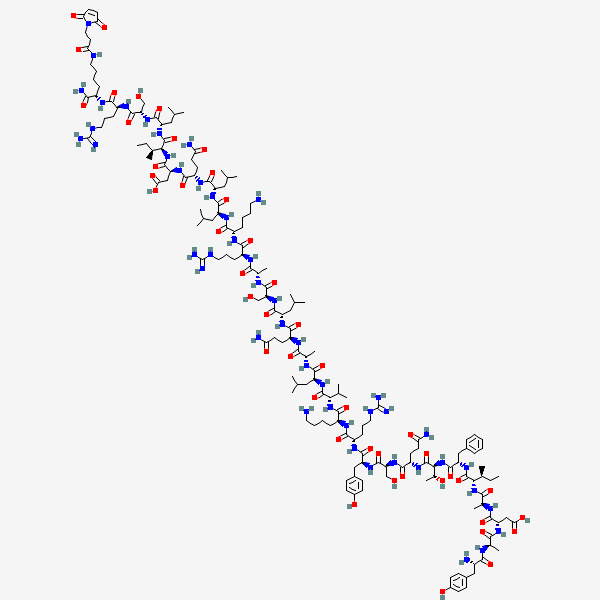
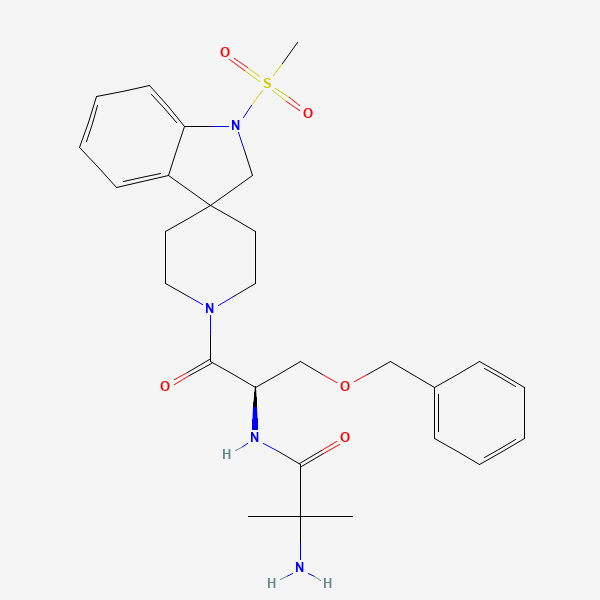
Which one fits which goal?
There's no universal winner here — the honest answer depends on what you're after. These picks are framed by goal, and each says why.
Avoiding injections
Leans toward MK-677
MK-677 is orally active; CJC-1295 requires subcutaneous injection. Convenience does not erase MK-677's glucose, appetite, and fluid-retention findings.
Using the GHRH pathway rather than the ghrelin receptor
Leans toward CJC-1295
CJC-1295 directly activates the GHRH receptor and does not use MK-677's hunger-linked ghrelin receptor.
Choosing the deeper human body-composition dataset
Leans toward MK-677
MK-677 has the longer randomized record, including two-year follow-up, although more fat-free mass did not improve strength or function.
Choosing a form with short, timed exposure
Leans toward CJC-1295
The no-DAC form is short acting. The DAC form is not: its measured half-life is several days, so the product identity matters.
References
- 1.Teichman et al., 2006 — CJC-1295 pharmacokinetics and GH/IGF-1 response in healthy adults
- 2.Nass et al., 2008 — two-year randomized MK-677 trial in healthy older adults
- 3.FDA — 503A bulk drug substance categories, updated May 14, 2026
- 4.FDA — December 2024 review of CJC-1295-related substances for 503A compounding
- 5.FDA — 2025 warning letter explaining ibutamoren's exclusion from dietary supplements