GHRP-2 vs MK-677
GHRP-2 vs MK-677 compares a short injected GH pulse with a longer oral IGF-1 signal, including evidence, risks, and by-goal picks.
GHRP-2 vs MK-677 is mainly a choice between a sharp injected GH pulse and a longer oral signal. Both activate GHS-R1a and both have human randomized evidence for raising growth hormone, but no trial has compared them directly. GHRP-2 fits pulse-focused research; MK-677 fits sustained IGF-1 exposure, with a clearer insulin-resistance signal.
What separates GHRP-2 from MK-677?
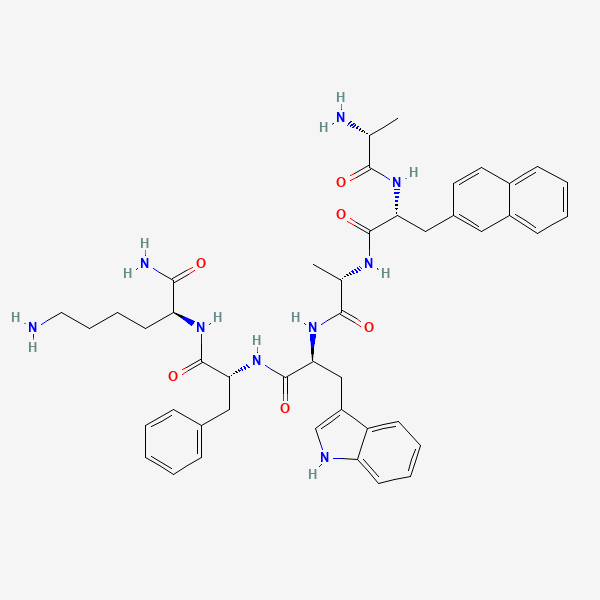
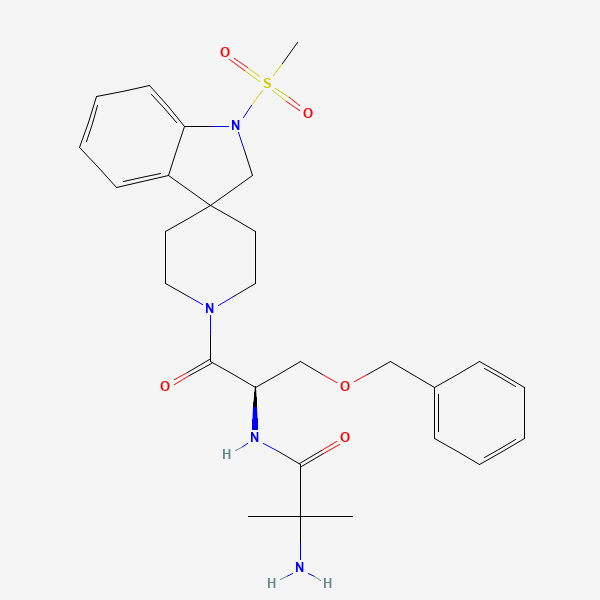
GHRP-2 and MK-677 press the same biological button on very different schedules. GHRP-2 is a six-amino-acid peptide used by injection in human pharmacology studies. MK-677, or ibutamoren, is a non-peptide small molecule designed to survive digestion. That makes this an oral vs injected ghrelin agonist comparison, not a contest between two interchangeable peptides.
Both activate the growth-hormone secretagogue receptor, GHS-R1a. The pituitary then releases the body’s own GH, which can raise insulin-like growth factor 1 (IGF-1) downstream. The shared receptor explains the shared hunger, water-retention and glucose concerns. Chemistry and exposure time explain why the hormone curves look different.
Which produces the sharper growth-hormone pulse?
GHRP-2 produces the sharper acute GH signal. Human profiles show GH rising within minutes, peaking at roughly 15-35 minutes, then falling steeply over the next two hours. One profile in nine healthy young men recorded a mean GH peak at 35 minutes and a much lower concentration by two hours. That is a pulse, not an all-day plateau.
GHRP-2 therefore makes more sense when the research goal is a defined stimulation window. The trade is practical: an injected, short-lived peptide does not offer once-daily oral convenience. Searching “mk 677 vs ghrp 2” often produces dose schedules from storefronts; those are not comparative clinical evidence and are not a basis for declaring a winner.
Which keeps GH and IGF-1 elevated longer?
MK-677 produces the longer signal, although “steady GH” is useful shorthand rather than a literal flat line. In a randomized study of 32 healthy adults aged 64-81, daily oral MK-677 increased mean 24-hour GH by 97% at 25 mg, amplified existing pulses without increasing their number, and raised IGF-1 into the young-adult range over several weeks.
MK-677 is therefore better described as sustained amplification: higher pulse peaks, higher troughs and a longer IGF-1 rise across the day. Ibutamoren vs GHRP-2 is not “pulsatile versus non-pulsatile.” Both preserve pulses. The meaningful difference is a brief acute spike versus longer daily exposure.
Does either have better human evidence?
Neither compound has direct comparative evidence, so this page weighs separate trials rather than pretending two unlike study programs form a race. Both earn a human-RCT badge for raising GH. That badge does not mean either compound has proved muscle gain, fat loss, recovery or longevity in healthy lifters.
MK-677 has the broader and longer treatment record. The two-year Nass trial found increased fat-free mass, but not better strength or physical function. GHRP-2 has convincing acute endocrine and diagnostic data, yet no human trial has shown that its sharp pulse builds muscle or speeds recovery. The honest ghs-r1a agonist comparison separates a measured hormone change from the outcome someone actually wants.
Is GHRP-2 the “strongest” GH releaser?
GHRP-2 is potent, but “the strongest” is vendor copy, not a settled clinical ranking. A direct human study gave equal intravenous doses of GHRP-2 and hexarelin to six young adults. Both produced similarly strong, dose-dependent GH responses; neither beat the other. The same study also found similar prolactin, ACTH and cortisol increases.
That result matters because potency claims depend on dose, route, age, baseline GH status and the hormone metric chosen. GHRP-2 can produce a large acute peak. Hexarelin can match it under controlled conditions. Without standardized trials across the whole class, a podium graphic is decoration wearing a lab coat.
How do the side-effect trade-offs differ?
GHRP-2 has the clearer acute cortisol-and-prolactin issue; MK-677 has the clearer sustained glucose-and-fluid issue. GHRP-2’s endocrine spillover was measured in people, not inferred from animals. MK-677’s four-week trial found no cortisol change and only a modest prolactin rise, but longer exposure supplied harder metabolic data.
In the Nass randomized trial, 25 mg daily raised fasting glucose by an average of 0.3 mmol/L, or 5 mg/dL, and reduced insulin sensitivity. MK-677 also commonly increased appetite and caused mild edema. This is not proof that every user develops diabetes, but it is a verified insulin-resistance signal, not forum folklore. GHRP-2 lacks comparable long-term healthy-adult safety data.
What is the US regulatory reality in 2026?
Neither GHRP-2 nor MK-677 is FDA-approved in the United States, and MK-677 is not a supplement. FDA stated in a December 2025 warning letter that ibutamoren is excluded from the dietary-supplement definition. Selling it in a bottle beside vitamins does not change the molecule’s legal category.
FDA’s compounding position is also more specific than “research use only.” As of April 22, 2026, injectable and nasal GHRP-2 remained in Category 2 under the 503B interim policy, while ibutamoren mesylate remained Category 2 under both 503A and 503B. Category 2 means FDA identified potential significant safety risks; it is not an approval pathway. USADA lists GHRP-2, pralmorelin, ibutamoren and MK-677 as prohibited at all times.
Which one fits which goal?
GHRP-2 fits research centered on a brief, measurable GH pulse; MK-677 fits research prioritizing oral dosing, longer exposure and the deeper long-duration human record. Neither is the universal winner. The by-goal picks above describe pharmacology and evidence, not a personal protocol.
For a fuller view of the receptor, hormone feedback and the difference between secretagogues and injected GH, read what growth-hormone secretagogues are. The useful conclusion from ghrp-2 vs mk-677 is simple: choose the time course and evidence question first. “Which is stronger?” is too blunt to answer honestly.
GHRP-2 vs MK-677, point by point
Every dimension side by side — the honest differences, not a scoreboard.
| Dimension | GHRP-2 | MK-677 |
|---|---|---|
| What it is | A synthetic six-amino-acid peptide, also called pralmorelin. | Ibutamoren, an orally active non-peptide small molecule. |
| Shared target | GHS-R1a (the ghrelin receptor). | GHS-R1a (the ghrelin receptor). |
| Route and timing | Injected in human pharmacology studies; produces a sharp GH peak within roughly 15-35 minutes that falls steeply over about 2 hours. | Taken orally in trials; once-daily dosing raises mean 24-hour GH and produces a sustained rise in IGF-1. |
| Endocrine spillover | Human studies found transient prolactin, ACTH and cortisol release as well as GH release. | Four-week human data found no cortisol change; prolactin rose modestly but stayed within the normal range. |
| Metabolic signal | Long-term repeated-use data are sparse; FDA also flags reports of increased insulin requirements, with causality not established. | The Nass trial found fasting glucose rose by about 5 mg/dL and insulin sensitivity declined. |
| US status (2026) | Not FDA-approved; injectable and nasal GHRP-2 is in FDA Category 2 for 503B compounding because of potential significant safety risks. | Not FDA-approved or a lawful dietary-supplement ingredient; ibutamoren is in FDA Category 2 under both 503A and 503B interim policies. |
| Banned in tested sport | Yes - prohibited at all times. | Yes - prohibited at all times. |
- What it is: MK-677 is not a peptide or a dietary supplement, despite how online sellers group and market it.
- Shared target: The receptor is the same; the chemistry and time course are not.
GHRP-2 vs MK-677: the two molecules
The 2D chemical structures, straight from PubChem — a quick way to see how similar (or not) the two actually are.
Which one fits which goal?
There's no universal winner here — the honest answer depends on what you're after. These picks are framed by goal, and each says why.
A short, measurable GH pulse
Leans toward GHRP-2
GHRP-2 produces the sharper acute response and clears quickly enough for a defined stimulation window.
Oral dosing and sustained IGF-1 exposure
Leans toward MK-677
MK-677 was designed for oral use, and once-daily human trials measured higher mean 24-hour GH and IGF-1.
The longer human treatment record
Leans toward MK-677
MK-677 has randomized studies lasting months to two years; GHRP-2 evidence is concentrated in acute endocrine and diagnostic studies.
References
- 1.Growth Hormone-Releasing Peptides - human GHRP-2 pharmacology review
- 2.GHRP-2 versus hexarelin: GH, prolactin, ACTH and cortisol responses in humans (PubMed)
- 3.Daily oral MK-677 and the 24-hour GH/IGF-1 axis in healthy older adults (PubMed)
- 4.Nass et al. - MK-677 randomized controlled trial in healthy older adults (PMC)
- 5.FDA - bulk drug substances that may present significant compounding safety risks