HGH Fragment 176-191 vs Tesamorelin
How HGH Fragment 176-191 and Tesamorelin compare — what each is, how strong the human evidence is for each, doses reported in research, the key risks, and 2026 US legal status. No universal winner.
HGH Fragment 176-191 and Tesamorelin come up together when people are weighing similar options. Here's the honest side-by-side: what each is, how strong the human evidence is for each, the doses reported in research, the risks, and where each stands with the FDA as of 2026. There's no universal winner — scroll to the by-goal picks for which one fits which goal.
HGH Fragment 176-191 vs Tesamorelin, point by point
Every dimension side by side — the honest differences, not a scoreboard.
| Dimension | HGH Fragment 176-191 | Tesamorelin |
|---|---|---|
| What it is | Synthetic C-terminal fragment of human growth hormone (around residues 176–191) | Synthetic growth-hormone-releasing hormone (GHRH) analog — a 44-amino-acid peptide with a stabilizing hexenoyl group |
| Class / category | GH secretagogues | GH secretagogues |
| Evidence tier | Animal-only · Unclear · none in humans | Human RCT · Helped |
| Studied / approved for | Fat loss / weight reduction; Obesity | Reduction of excess abdominal (visceral) fat in HIV-associated lipodystrophy |
| US regulatory status (2026) | research use only (as of Jul 2026) | fda approved (as of Jul 2026) — approved for Reduction of excess abdominal fat in HIV-associated lipodystrophy |
| Doses reported in research | No established study doses | No established study doses |
| Registered trials (ClinicalTrials.gov) | 0 | 24 |
| Banned in sport (WADA) | Yes — on the WADA prohibited list | Yes — on the WADA prohibited list |
| Key risks | Direct human safety data on the raw HGH fragment 176-191 are essentially absent. Its stabilized analog AOD-9604 was well tolerated in human obesity trials without disturbing blood sugar or IGF-1, but that is a different, modified molecule — not proof the research-chemical fragment is safe. The biggest real-world risk is the source: research-chemical fragment answers to no regulator, so its purity, the real dose in the vial, and its sterility are never guaranteed. | Tesamorelin's common complaints are fluid retention, joint and muscle aches, injection-site reactions, and tingling or numbness in the hands — the fluid-driven carpal-tunnel feeling users describe most. By raising growth hormone and IGF-1 it can nudge blood sugar upward, and it is off-limits with active cancer, a pituitary disorder, or in pregnancy. Two safety lanes exist: the prescription Egrifta carries real FDA-trial safety data, while gray-market "research" tesamorelin stacks unverified purity, dose, and sterility on top of that same biology. |
- Evidence tier: A tier reflects how human the evidence is, not a promise the compound works.
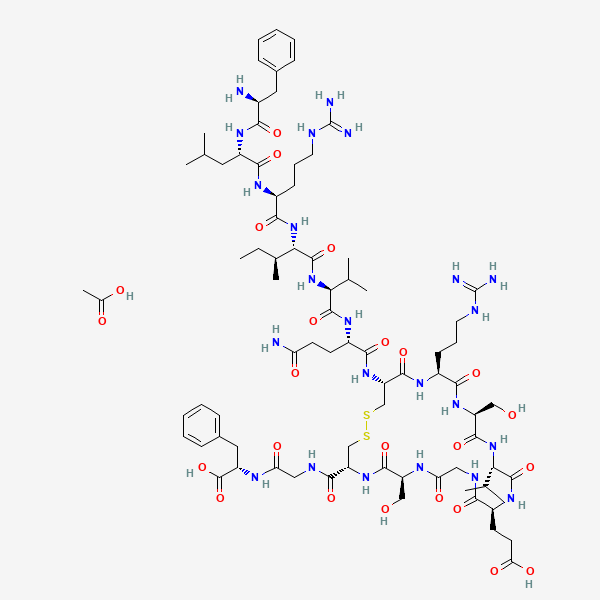
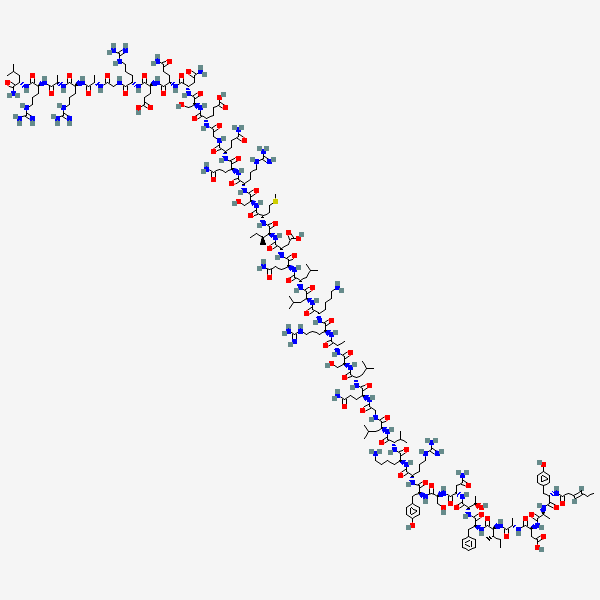
HGH Fragment 176-191 vs Tesamorelin: the two molecules
The 2D chemical structures, straight from PubChem — a quick way to see how similar (or not) the two actually are.
Which one fits which goal?
There's no universal winner here — the honest answer depends on what you're after. These picks are framed by goal, and each says why.
If you want the option with more human evidence behind it
Leans toward Tesamorelin
Tesamorelin's evidence sits at human rct, a more human tier than HGH Fragment 176-191's animal-only. That reflects how the data was gathered, not a guarantee it works.
If you want an FDA-approved, prescribable option
Leans toward Tesamorelin
Tesamorelin is FDA-approved (as of Jul 2026); HGH Fragment 176-191 is research use only in the US, so it isn't available as an approved prescription.
References
- 1.HGH fragment 176-191 (CID 172966176) — compound record, PubChem (National Library of Medicine)
- 2.HGH fragment 176-191 — indexed research (PubMed, National Library of Medicine)
- 3.HGH fragment 176-191 — registered clinical studies (ClinicalTrials.gov)
- 4.FDA — Drugs (approval status & compounding information)
- 5.Global Drug Reference Online (GlobalDRO) — prohibited-substance status in sport
- 6.EGRIFTA (tesamorelin) prescribing information — DailyMed