MK-677 vs Sermorelin
MK-677 vs Sermorelin compares an oral ghrelin mimetic with an injectable GHRH analog across evidence, side effects, route and legal status.
MK-677 vs Sermorelin is chiefly an oral ghrelin-receptor drug versus an injectable GHRH peptide: both can raise growth hormone and IGF-1, but by different signals. MK-677 leads on pill convenience and randomized-trial depth; sermorelin fits the prescription-compounded GHRH goal. No trial has compared them directly, so neither is a universal winner.
What is the core difference between MK-677 and sermorelin?
MK-677 and sermorelin push the same growth-hormone axis from different doorways. MK-677, also called ibutamoren, is a non-peptide small molecule that activates the ghrelin receptor and can be swallowed. Sermorelin is a 29-amino-acid copy of the active part of growth hormone-releasing hormone (GHRH), so it must be injected under the skin.
That distinction does more than decide pill versus needle. The ghrelin receptor is also a hunger switch, which helps explain MK-677’s appetite effect. Sermorelin instead copies the pituitary’s native release signal. Both routes can raise growth hormone and insulin-like growth factor 1 (IGF-1), but neither record proves a general anti-aging, muscle-building or recovery payoff for healthy adults.
How do their mechanisms compare?
MK-677 presses the ghrelin-receptor button; sermorelin presses the GHRH-receptor button. MK-677 prompts growth-hormone pulses while also reproducing ghrelin’s hunger signaling. Sermorelin tells pituitary somatotroph cells—the cells that make growth hormone—to release more through the body’s GHRH pathway. Two doorbells, same gland, different wiring.
The popular ibutamoren vs sermorelin question is therefore not a choice between “natural” and “synthetic”: both compounds are synthetic. The useful distinction is which receptor receives the message. Sermorelin preserves the pituitary feedback loop, while MK-677’s long-lasting oral signal adds appetite and metabolic effects that do not come from GHRH receptor activation itself.
Which one has better human evidence?
MK-677 has the stronger overall evidence tier, but sermorelin also has controlled human evidence for releasing growth hormone. MK-677 sits at Human RCT because randomized trials show higher GH and IGF-1, and a two-year older-adult study found more fat-free mass without a clear improvement in strength or physical function (NCT00474279).
Sermorelin sits one rung lower at Human Controlled. Its ability to provoke a pituitary GH response was established well enough for Geref to be used historically as a diagnostic drug, but the modern goals—body composition, sleep, recovery and “anti-aging”—have mixed, modest support in the indexed human research. For mk-677 vs sermorelin, the shared badge uses sermorelin’s weaker tier. Most important, a direct PubMed comparison search does not supply a head-to-head trial. Separate studies cannot tell us which raises GH more safely or delivers better real-world outcomes in the same population.
Which has the tougher appetite and water-retention trade-off?
MK-677 carries the clearer appetite and water-retention burden. Human trials and its ghrelin mechanism line up: hunger can rise, fluid can collect, and blood glucose can increase as insulin sensitivity falls. That combination can be useful only in the narrow sense that more appetite may suit a weight-gain goal; it is a poor fit for someone trying to control hunger or fluid.
Sermorelin’s characteristic problems are different: redness, swelling or pain at the injection site, plus flushing, headache, dizziness or nausea. Sermorelin still raises GH and IGF-1, so it retains the broader growth-hormone-axis cautions and lacks long-term safety data for anti-aging use. Saying appetite and water retention are higher with MK-677 is a comparison of known mechanisms and separate safety records, not a measured head-to-head rate.
How do route, dose and daily use differ?
MK-677 is the simpler format: research has used a once-daily oral dose, including 25 mg daily in the cited older-adult trial. Sermorelin is a freeze-dried peptide that requires diluent, concentration arithmetic and a subcutaneous injection; its historical diagnostic use and modern compounded use do not collapse into one universal dose. Dose is study context, not a personal protocol.
The reconstitution calculator applies to sermorelin, not MK-677. The half-life visualizer can help show why exposure duration matters, but a half-life graph does not predict an individual result. For readers searching sermorelin vs mk 677, route is the cleanest practical split: daily oral convenience versus reconstituted subcutaneous use.
What is their US regulatory status in 2026?
Neither MK-677 nor sermorelin is currently FDA-approved, but their histories are not equivalent. MK-677 is research-use-only in the United States, is not a lawful dietary supplement, and remains investigational as ibutamoren/LUM-201. Sermorelin was once sold as the approved drug Geref, then discontinued; it is now encountered mainly through compounding pharmacies and the research market.
The FDA drug information hub is the place to re-check status because sermorelin’s compounding position can move. Neither compound is an approved anti-aging or physique drug. Both also fall under anti-doping prohibitions for growth-hormone secretagogues or releasing factors, so competitive athletes have a separate, firmer reason to rule them out.
Should a goal favor MK-677 or sermorelin?
MK-677 or sermorelin depends on the goal, not a scoreboard. MK-677 is the rational pick for avoiding injections or prioritizing the stronger randomized evidence tier. Sermorelin is the rational pick for a prescription-compounded GHRH analog or for avoiding direct activation of the ghrelin hunger receptor. Those are narrow picks, not promises of better results.
The by-goal table keeps the trade-offs visible: convenience favors MK-677; the GHRH route and historical prescription lineage favor sermorelin. Anyone comparing them for muscle, fat loss, sleep or longevity should notice the same blank space: both raise measurable hormones, while the desired healthy-adult outcomes remain less settled. The broader growth-hormone secretagogue guide puts both mechanisms beside their nearest alternatives without crowning one answer for everyone.
MK-677 vs Sermorelin, point by point
Every dimension side by side — the honest differences, not a scoreboard.
| Dimension | MK-677 | Sermorelin |
|---|---|---|
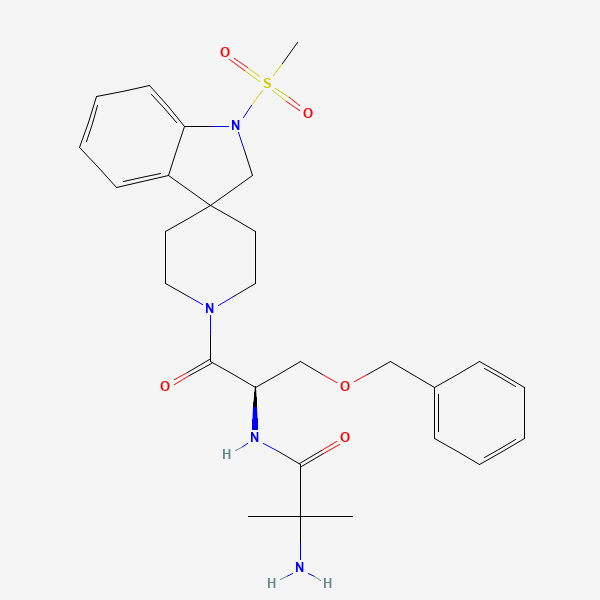
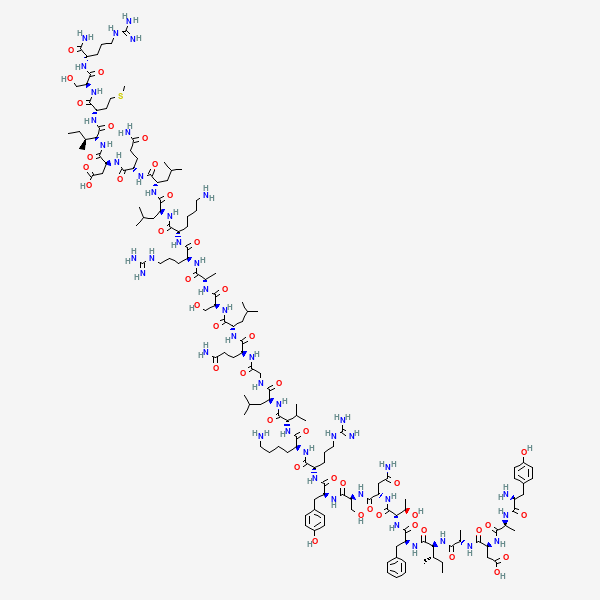
| What it is | Ibutamoren, an orally active non-peptide small molecule and ghrelin-receptor agonist. | A synthetic 29-amino-acid GHRH analog that copies the active fragment of human growth hormone-releasing hormone. |
| Typical route | Oral pill or liquid, generally once daily in research. | Lyophilized powder reconstituted and injected subcutaneously, often at night in clinical and community use. |
| Growth-hormone signal | Activates the ghrelin receptor (GHSR-1a), increasing growth-hormone pulses and IGF-1 while also stimulating hunger. | Activates the pituitary GHRH receptor, prompting pulsatile growth-hormone release while leaving feedback controls in place. |
| Evidence base | Human RCT evidence: reliably raises GH and IGF-1; a two-year older-adult trial increased fat-free mass without clear gains in strength or function. | Human controlled evidence: reliably provokes GH release; evidence for modern anti-aging, body-composition and recovery goals is mixed and modest. |
| Appetite and fluid trade-offs | Increased appetite and water retention are characteristic documented effects; reduced insulin sensitivity and higher blood glucose also matter. | Injection-site reactions, flushing and headache are more characteristic; sermorelin does not activate the ghrelin hunger receptor. |
| Dose context | A cited two-year older-adult trial used 25 mg orally once daily. | There is no single cross-purpose comparison dose; historical clinical and modern compounded use is subcutaneous and purpose-dependent. |
| US regulatory status (2026) | Not FDA-approved and not a lawful dietary supplement; sold as a research chemical while ibutamoren is studied pharmaceutically as LUM-201. | Not currently FDA-approved; former Geref products were discontinued, and access is now mainly through compounding pharmacies or the research market. |
- Evidence base: No trial has compared MK-677 and sermorelin directly; this comparison weighs their separate evidence.
- Appetite and fluid trade-offs: No head-to-head study has measured comparative side-effect rates, so 'higher on MK-677' describes the separate records and mechanisms, not a direct incidence estimate.
- US regulatory status (2026): Sermorelin's compounding status is volatile and should be re-checked; neither compound is an approved anti-aging or physique drug.
MK-677 vs Sermorelin: the two molecules
The 2D chemical structures, straight from PubChem — a quick way to see how similar (or not) the two actually are.
Which one fits which goal?
There's no universal winner here — the honest answer depends on what you're after. These picks are framed by goal, and each says why.
Daily oral convenience
Leans toward MK-677
MK-677 survives digestion and is taken by mouth, so it avoids peptide reconstitution and subcutaneous injections.
A prescription-compounded GHRH approach
Leans toward Sermorelin
Sermorelin is the GHRH analog of the pair, has a history as the FDA-approved drug Geref, and is now encountered mainly through compounding pharmacies.
The stronger evidence tier for body-composition measurements
Leans toward MK-677
MK-677 has human randomized trials, including a two-year study measuring fat-free mass, although strength and function did not clearly improve.
Avoiding a ghrelin-driven increase in hunger
Leans toward Sermorelin
Sermorelin signals through the GHRH receptor rather than the ghrelin receptor; no direct trial proves a lower comparative side-effect rate.
References
- 1.Ibutamoren (MK-677) — indexed research (PubMed, National Library of Medicine)
- 2.MK-677 in older adults — 2-year body-composition RCT (ClinicalTrials.gov NCT00474279)
- 3.Sermorelin — indexed human research (PubMed, National Library of Medicine)
- 4.Ibutamoren and sermorelin — search for direct comparative research (PubMed)
- 5.FDA — drug approval and market-status information