Acetyl Tetrapeptide-5 vs Argireline
How Acetyl Tetrapeptide-5 and Argireline compare — what each is, how strong the human evidence is for each, doses reported in research, the key risks, and 2026 US legal status. No universal winner.
Acetyl Tetrapeptide-5 and Argireline come up together when people are weighing similar options. Here's the honest side-by-side: what each is, how strong the human evidence is for each, the doses reported in research, the risks, and where each stands with the FDA as of 2026. There's no universal winner — scroll to the by-goal picks for which one fits which goal.
Acetyl Tetrapeptide-5 vs Argireline, point by point
Every dimension side by side — the honest differences, not a scoreboard.
| Dimension | Acetyl Tetrapeptide-5 | Argireline |
|---|---|---|
| What it is | Synthetic acetylated tetrapeptide used as a topical cosmetic ingredient for the eye area | Synthetic acetylated hexapeptide (a 6-amino-acid fragment modeled on the N-terminus of the SNAP-25 protein) |
| Class / category | Cosmetic / skin | Cosmetic / skin |
| Evidence tier | Anecdotal · Unclear | Human RCT · Mixed |
| Studied / approved for | Under-eye puffiness and eye-bag appearance (topical cosmetic use); Dark-circle appearance (topical cosmetic use) | Facial wrinkle reduction (topical); Blepharospasm (eyelid spasm); Oily-skin / sebum appearance |
| US regulatory status (2026) | unscheduled (as of Jul 2026) | unscheduled (as of Jul 2026) |
| Doses reported in research | No established study doses | No established study doses |
| Registered trials (ClinicalTrials.gov) | No data | 7 |
| Banned in sport (WADA) | Unknown | Unknown |
| Key risks | Acetyl tetrapeptide-5 has been used topically in small cosmetic tests, but there is no robust independent long-term human safety trial for the ingredient alone. Finished eye products contain other ingredients that can irritate sensitive skin, so a tolerable formula cannot establish the peptide's safety by itself. | Topical argireline (acetyl hexapeptide-8) is generally well tolerated in cosmetic use. The most commonly reported issues are mild, transient skin irritation or redness at the application site. Because it is applied to the skin rather than injected, systemic exposure is expected to be low, and no serious safety signals have emerged from the small human cosmetic studies. Long-term safety data are still limited. |
- Evidence tier: A tier reflects how human the evidence is, not a promise the compound works.
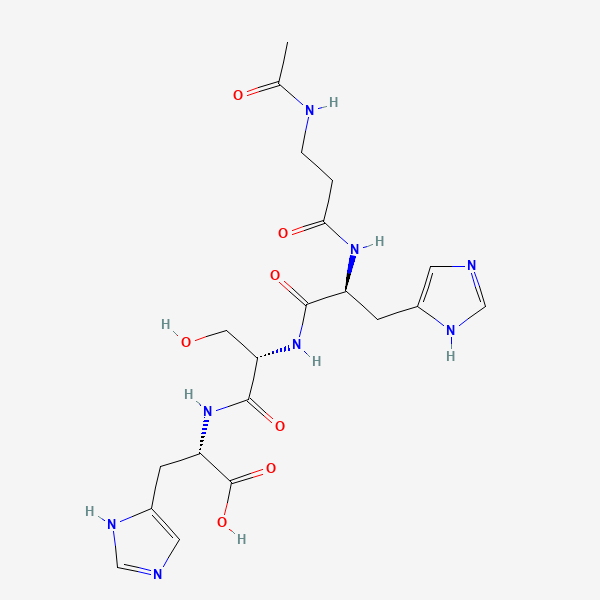
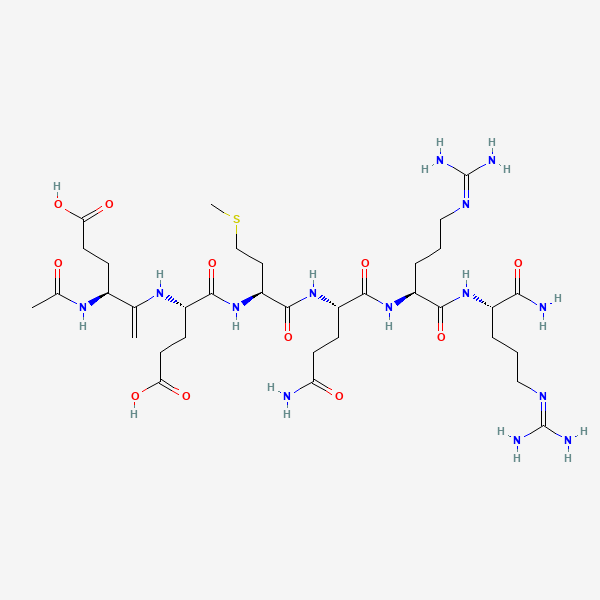
Acetyl Tetrapeptide-5 vs Argireline: the two molecules
The 2D chemical structures, straight from PubChem — a quick way to see how similar (or not) the two actually are.
Which one fits which goal?
There's no universal winner here — the honest answer depends on what you're after. These picks are framed by goal, and each says why.
If you want the option with more human evidence behind it
Leans toward Argireline
Argireline's evidence sits at human rct, a more human tier than Acetyl Tetrapeptide-5's anecdotal. That reflects how the data was gathered, not a guarantee it works.
References
- 1.Acetyl tetrapeptide-5 — PubChem CID 11620163
- 2.Advancements in Cosmetic Science — acetyl tetrapeptide-5 evidence review
- 3.Wu et al., 2021 — cosmeceutical peptide mixtures in human skin fibroblasts (PMID 33849044)
- 4.Topical Peptide Treatments with Effective Anti-Aging Results — evidence limitations review
- 5.FDA — Cosmetics & U.S. Law
- 6.Argireline in the Treatment of Periorbital Wrinkles — registered Phase 3 trial (ClinicalTrials.gov, NCT01381484)