Adipotide vs Tesofensine
How Adipotide and Tesofensine compare — what each is, how strong the human evidence is for each, doses reported in research, the key risks, and 2026 US legal status. No universal winner.
Adipotide and Tesofensine come up together when people are weighing similar options. Here's the honest side-by-side: what each is, how strong the human evidence is for each, the doses reported in research, the risks, and where each stands with the FDA as of 2026. There's no universal winner — scroll to the by-goal picks for which one fits which goal.
Adipotide vs Tesofensine, point by point
Every dimension side by side — the honest differences, not a scoreboard.
| Dimension | Adipotide | Tesofensine |
|---|---|---|
| What it is | Prohibitin-targeting proapoptotic peptidomimetic | Synthetic small-molecule triple monoamine-reuptake inhibitor (a tropane derivative — not a peptide) |
| Class / category | Incretin / metabolic | Incretin / metabolic |
| Evidence tier | Animal-only · Mixed · none in humans | Human RCT · Helped |
| Studied / approved for | Obesity and white-adipose-tissue reduction; Metastatic prostate cancer in men with obesity (terminated Phase 1 study) | Weight loss / obesity; Parkinson's disease; Alzheimer's disease; Hypothalamic obesity; Prader-Willi syndrome |
| US regulatory status (2026) | research use only (as of Jul 2026) | research use only (as of Jul 2026) |
| Doses reported in research | No established study doses | No established study doses |
| Registered trials (ClinicalTrials.gov) | No data | 13 |
| Banned in sport (WADA) | Yes — on the WADA prohibited list | Yes — on the WADA prohibited list |
| Key risks | Adipotide has no published human safety results. In monkeys, the principal toxicity was dose-dependent injury and altered function in the kidney's proximal tubules, including elevated creatinine and degenerative or necrotic tubular lesions. Most changes improved during recovery, but the human dose at which kidney injury begins is unknown. | Tesofensine's main safety problem is cardiovascular: because it raises noradrenaline and dopamine, it tends to push up heart rate and blood pressure, and that — not a lack of effect — is why its obesity development stalled. Human trials also reported dry mouth, insomnia, nausea, constipation and mood or agitation changes. There is no long-term human safety record, and the research-market product is unregulated. |
- Evidence tier: A tier reflects how human the evidence is, not a promise the compound works.
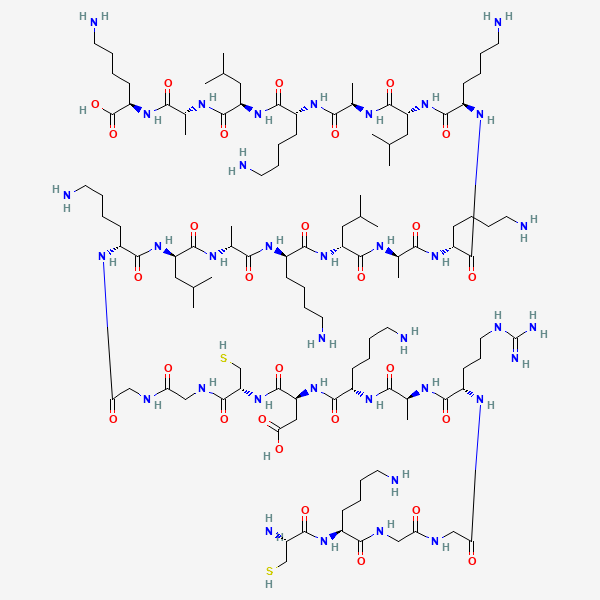
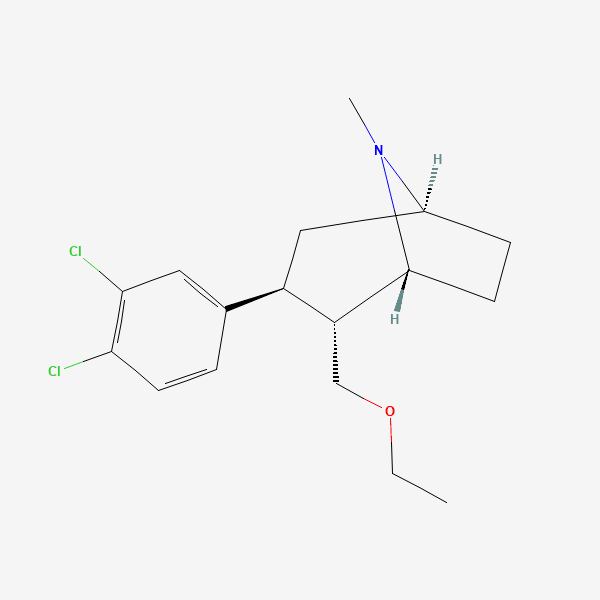
Adipotide vs Tesofensine: the two molecules
The 2D chemical structures, straight from PubChem — a quick way to see how similar (or not) the two actually are.
Which one fits which goal?
There's no universal winner here — the honest answer depends on what you're after. These picks are framed by goal, and each says why.
If you want the option with more human evidence behind it
Leans toward Tesofensine
Tesofensine's evidence sits at human rct, a more human tier than Adipotide's animal-only. That reflects how the data was gathered, not a guarantee it works.
References
- 1.Barnhart et al., 2011 — adipotide in obese monkeys (PMID 22072637)
- 2.ClinicalTrials.gov — Prohibitin-TP01 Phase 1 study (NCT01262664)
- 3.NCI Drug Dictionary — prohibitin-targeting peptide 1
- 4.PubChem — Adipotide (CID 163360068)
- 5.FDA — Bulk Drug Substances Used in Compounding
- 6.WADA — 2026 Prohibited List