AOD-9604 vs Tesamorelin
AOD-9604 vs Tesamorelin tests a GH fragment against a GHRH analog: one missed in obesity, while one reduced visceral fat in HIV trials.
AOD-9604 vs Tesamorelin is a split verdict on the growth-hormone fat-loss idea: the isolated fragment missed its pivotal obesity endpoint, while the whole-axis GHRH analog reduced visceral fat in Phaseundefinedtrials. No trial has compared them directly; this comparison weighs separate human programs, and neither compound is a universal winner.
Why did the GH fragment vs GHRH analog split?
AOD-9604 and tesamorelin test opposite ends of the same biological chain. AOD-9604 copies a 16-amino-acid section from the tail of growth hormone (GH), aiming to keep fat breakdown while leaving GH and insulin-like growth factor 1 (IGF-1) alone. Tesamorelin activates the GHRH receptor in the pituitary, so the body releases more of its own GH and raises IGF-1. One is the shortcut; the other uses the whole axis.
That distinction matters because biological pathways are not Lego sets. A fragment can retain an effect in cells or animals yet lose the timing, tissue exposure, feedback, or supporting signals needed in people. Tesamorelin preserves more of that system, but the broader action also brings broader risks. This is the useful lesson missing from most tesamorelin vs aod-9604 pages: mechanism explains the bet, while controlled outcomes settle the score.
What happened in the AOD-9604 Phase 2b study?
AOD-9604 Phase 2b testing ended the obesity program because the largest study did not beat placebo on weight loss. The randomized, double-blind OPTIONS study enrolled 536 adults with obesity and randomized 502 to oral AOD-9604 at 0.25, 0.5, or 1 mg daily, or placebo, alongside supervised diet and exercise. Treatment lasted 24 weeks, with the primary weight endpoint assessed at week 12.
The FDA’s AOD-9604 review reports no significant weight-loss difference at the 12-week primary endpoint or the 24-week secondary endpoint. The developer stopped obesity development in 2007. The study does count as controlled human evidence, which is why the badge is Human controlled, not animal-only. The verdict, however, is no demonstrated obesity benefit. The injected AOD-9604 now discussed online was not the oral product tested in OPTIONS, and FDA found no human efficacy data for the proposed subcutaneous route.
What did tesamorelin’s Phase 3 trials show?
Tesamorelin reduced visceral adipose tissue in two randomized Phase 3 trials, but the result belongs to adults with HIV-associated lipodystrophy, not general obesity. The trials randomized 412 and 404 participants to the older 2 mg daily subcutaneous formulation or placebo for 26 weeks. Mean visceral fat changed by -18% versus +2% in one study and -14% versus -2% in the other.
The current Egrifta WR label also shows almost no mean body-weight change. Tesamorelin is therefore a visceral-fat drug, not a conventional scale-weight drug. A pooled analysis put the treatment effect at about 15.4% and found that the reduction persisted with continued treatment. Stopping treatment allowed visceral fat to return. Those are strong human results for one narrow job, not permission to stretch the claim to every kind of belly fat.
Do GH peptides burn fat?
GH peptides can change fat compartments, but “do GH peptides burn fat” is too broad to earn one yes-or-no answer. Tesamorelin shows that raising pulsatile GH through GHRH can reduce CT-measured visceral fat in the studied HIV population. AOD-9604 shows that isolating a lipolytic GH fragment did not produce meaningful weight loss in a large obesity study. Same hypothesis family, very different clinical receipts.
The comparison also separates fat loss from weight loss. Visceral fat sits around the organs; subcutaneous fat sits under the skin. Tesamorelin changed the first while barely changing the scale or the second. AOD-9604 was asked to lower body weight and failed that endpoint. Readers who want the rules behind labels such as Human RCT and Human controlled can see how to read peptide evidence.
Which compound fits which goal?
Tesamorelin is the evidence-backed pick for its approved goal: reducing excess visceral abdominal fat in adults with HIV lipodystrophy. Tesamorelin is also the pick when the goal is simply the stronger human efficacy record. AOD-9604 is the cleaner research model for studying a GH fragment without deliberately raising GH or IGF-1, but that mechanistic neatness did not translate into proven weight loss.
For general obesity, the honest by-goal pick is neither. The structured card must name one profile, so it points to AOD-9604 as the compound actually tested for obesity while stating that its trial failed; that is classification, not endorsement. Tesamorelin’s FDA label explicitly says the drug is weight-neutral and not indicated for weight-loss management. The broader growth-hormone peptide hub shows where both approaches sit among related compounds.
How do safety, approval, and sport rules differ in 2026?
Tesamorelin has the clearer medical route and the heavier endocrine trade-offs. Egrifta is FDA-approved by prescription for excess abdominal fat in adults with HIV lipodystrophy. The label warns about elevated IGF-1, fluid retention, glucose intolerance, hypersensitivity, and injection-site reactions; active malignancy, pregnancy, and disruption of the hypothalamic-pituitary axis are contraindications. Current WR and SV formulations use different labeled doses and are not interchangeable.
AOD-9604 is not FDA-approved. FDA found insufficient effectiveness and long-term safety information, especially for subcutaneous use, and its advisory committee voted 12-0 against placing the free base or acetate on the 503A Bulks List in December 2024. That vote is not an approval pathway hiding in the fine print. For tested athletes, the 2026 WADA list prohibits both at all times: AOD-9604 as a GH fragment and tesamorelin as a GH-releasing factor.
What is the bottom line on aod-9604 vs tesamorelin?
AOD-9604 lost the clinical wager that a small GH fragment could deliver useful obesity treatment without engaging the full axis. Tesamorelin won a narrower wager: stimulating the GHRH-GH-IGF-1 axis reduced visceral fat in adults with HIV lipodystrophy strongly enough for FDA approval. The axis worked where the fragment shortcut did not, but only tesamorelin’s specific population and outcome are proven.
No direct head-to-head trial exists, so rank-order claims beyond those separate programs would be invented. AOD-9604 remains interesting as a failed translation case: promising mechanism, controlled human test, negative commercial endpoint. Tesamorelin is the positive translation case, with the price of endocrine monitoring and a tightly bounded indication. That is more useful than declaring one peptide “better” and quietly changing the question halfway through.
AOD-9604 vs Tesamorelin, point by point
Every dimension side by side — the honest differences, not a scoreboard.
| Dimension | AOD-9604 | Tesamorelin |
|---|---|---|
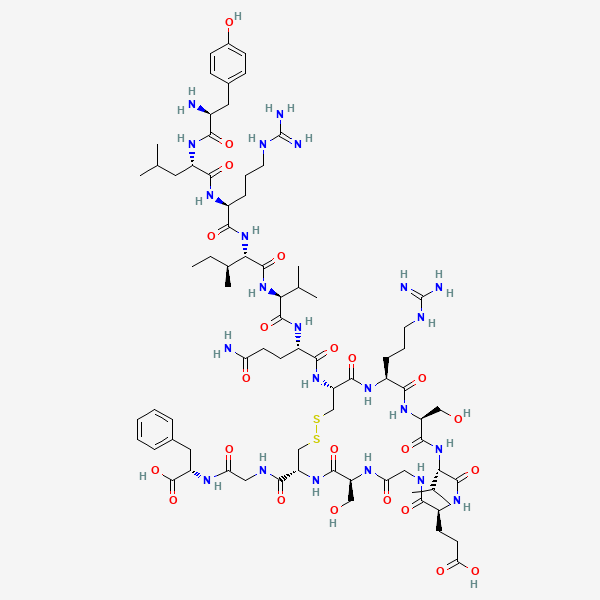
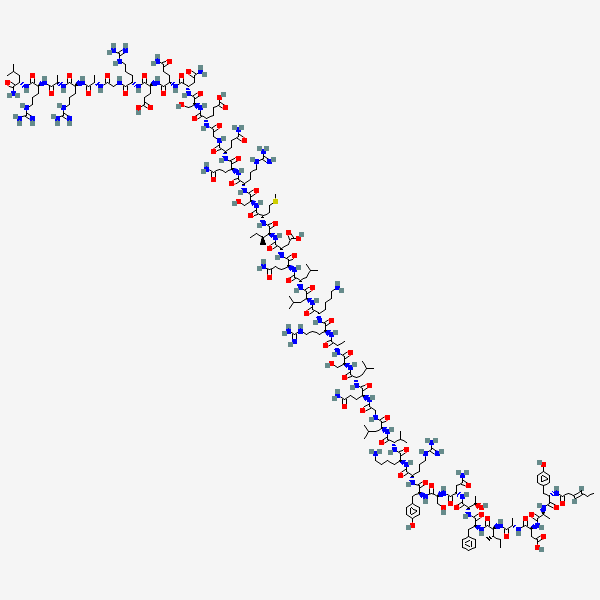
| What it is | A synthetic 16-amino-acid analog of the fat-metabolism end of human growth hormone. | A synthetic 44-amino-acid analog of growth-hormone-releasing hormone (GHRH). |
| Where it acts | Downstream: copies a small GH fragment without raising the whole GH/IGF-1 axis. | Upstream: activates the pituitary GHRH receptor, increasing the body's own GH pulses and IGF-1. |
| Best human efficacy test | The Phase 2b OPTIONS obesity study enrolled 536 adults, randomized 502, and missed its weight-loss endpoints. | Two Phase 3 trials randomized 816 adults with HIV lipodystrophy and reduced visceral fat at 26 weeks. |
| Fat outcome | No significant weight-loss advantage over placebo at 12 or 24 weeks in OPTIONS. | Mean visceral fat changed by -18% and -14% in the two pivotal trials, versus +2% and -2% with placebo. |
| Doses tested | OPTIONS tested oral 0.25, 0.5, and 1 mg once daily for 24 weeks. | The pivotal trials tested 2 mg subcutaneously daily; current Egrifta formulations use formulation-specific labeled doses. |
| US regulatory status (2026) | Not FDA-approved; FDA's advisory committee voted against adding AOD-9604 free base or acetate to the 503A Bulks List. | FDA-approved by prescription to reduce excess abdominal fat in adults with HIV lipodystrophy; not indicated for weight-loss management. |
| Banned in sport | Yes. WADA names AOD-9604 under S2 growth-hormone fragments, prohibited at all times. | Yes. WADA names tesamorelin under S2 growth-hormone-releasing factors, prohibited at all times. |
- Best human efficacy test: No trial has compared AOD-9604 and tesamorelin directly; these are separate placebo-controlled programs.
- Fat outcome: Tesamorelin was weight-neutral; visceral-fat reduction is not the same outcome as general weight loss.
AOD-9604 vs Tesamorelin: the two molecules
The 2D chemical structures, straight from PubChem — a quick way to see how similar (or not) the two actually are.
Which one fits which goal?
There's no universal winner here — the honest answer depends on what you're after. These picks are framed by goal, and each says why.
Reducing excess visceral fat in an adult with HIV lipodystrophy
Leans toward Tesamorelin
Tesamorelin has two positive Phase 3 trials and an FDA-approved indication for this specific population and outcome.
Avoiding a rise in GH and IGF-1 while studying a narrow GH fragment
Leans toward AOD-9604
AOD-9604 was designed as the fragment-only approach, although its largest obesity study did not show effective weight loss.
Choosing the option with the strongest human efficacy evidence
Leans toward Tesamorelin
Tesamorelin has replicated randomized evidence for visceral-fat reduction; AOD-9604 missed its pivotal obesity endpoint.
General weight loss in someone without HIV lipodystrophy
Leans toward AOD-9604
Neither is supported for this goal: AOD-9604 failed its obesity endpoints, while tesamorelin's label says it is not indicated for weight-loss management. This pick marks the compound actually tested for obesity, not a recommendation to use it.