ARA-290 vs BPC-157
ARA-290 vs BPC-157: human neuropathy trials versus animal soft-tissue research, with honest evidence grades and practical by-goal picks.
ARA-290 vs BPC-157 is not a choice between interchangeable healing peptides. ARA-290 has randomized human data for small-fiber neuropathy; BPC-157 has mostly animal evidence for soft-tissue repair. No trial has compared them directly, so this page weighs their separate evidence and gives by-goal picks, not one universal winner.
Which peptide has stronger human evidence?
ARA-290 has the stronger human evidence by a wide margin, though “stronger” does not mean approved or settled. A 22-person randomized, double-blind pilot in sarcoidosis-associated small-fiber neuropathy found a greater improvement in the neuropathy symptom score with ARA-290 than placebo. Pain and fatigue improved in both groups, however, so the result was encouraging rather than a clean sweep (Heij et al., 2012).
ARA-290 then reached a 64-person randomized Phase 2b trial. Participants received placebo or 1, 4 or 8 mg of cibinetide subcutaneously each day for 28 days. The primary endpoint was change in corneal nerve-fiber area, a microscope-based measure of small-fiber abundance. The 4 mg group met that endpoint versus placebo; the 1 and 8 mg groups did not. Skin nerve-fiber and walking-test changes also lined up with the corneal measure, while the pain comparison did not reach statistical significance (Culver et al., 2017). That dose-response is not a tidy staircase. Biology rarely reads the marketing brief.
BPC-157 has no comparable completed randomized efficacy trial. A 2026 review found fewer than 30 people across three uncontrolled pilot studies, without standardized pharmaceutical preparations or a validated dosing regimen (Mateescu et al., 2026). The page badge therefore uses the weaker shared tier, animal-only, rather than letting ARA-290’s human-RCT grade make BPC-157 look human-proven. That evidence gap is the central ara-290 vs bpc-157 difference.
Is ARA-290 a nerve regeneration peptide?
ARA-290 is reasonably described as a nerve regeneration peptide in research, provided the claim stays narrow: small nerve fibers in sarcoidosis-associated neuropathy, measured over short trials. Cibinetide activates the innate repair receptor, a tissue-protection pathway derived from erythropoietin signaling, without triggering the red-blood-cell production associated with ordinary EPO.
That makes ARA-290 the more evidence-aligned option among peptides for neuropathy. The Phase 2b result measured corneal and skin nerve fibers rather than relying only on a pain questionnaire. Still, corneal nerve-fiber area is a surrogate endpoint, meaning a biological stand-in for how a patient feels and functions. The trials were small, short and limited to specific populations. They do not establish that ARA-290 repairs every injured nerve or treats every cause of neuropathic pain.
Where does BPC-157 fit better?
BPC-157 fits better when the research goal is soft-tissue repair in animal models: tendons, ligaments, muscle, wounds or gastrointestinal tissue. Its proposed biology includes new-blood-vessel formation and nitric-oxide and growth-factor signaling, which matches the structural-repair questions that dominate its preclinical literature. That is a different job from ARA-290’s human neuropathy program.
The distinction matters because generic “healing” language blurs the endpoint. A rat tendon recovering faster is not evidence that a person with burning small-fiber neuropathy will improve. Likewise, a corneal nerve-fiber result does not tell us whether ARA-290 repairs a torn hamstring. For broader context on how these categories get mixed together, see peptides for healing and recovery.
BPC-157’s human story is beginning to move. A randomized, double-blind Phase 2 trial plans to enroll 120 people with acute grade II hamstring strains and compare 14 days of subcutaneous BPC-157 with placebo alongside the same rehabilitation program. The study is recruiting and estimates completion in 2028, so it supplies no efficacy result yet (ClinicalTrials.gov NCT07437547). For now, BPC-157’s full evidence profile remains correctly graded animal-only.
Why did ARA-290 stall despite randomized trials?
ARA-290 reached a place most research peptides never see: randomized patients, prespecified endpoints and an FDA orphan-drug trail. FDA’s substance record links cibinetide to orphan-drug designations, including neuropathic pain in sarcoidosis, but designation is an incentive for studying a rare condition, not approval (FDA GSRS).
The verified record supports saying the program did not reach approval. It does not support guessing why, declaring that an investigational new drug application is inactive, or treating reports about Araim Pharmaceuticals ceasing operations as primary evidence. Those claims are left out. The useful fact is simpler: ARA-290’s profile contains genuine human RCT data, yet no approved product followed. Evidence quality and product availability are separate questions.
What does cibinetide vs bpc-157 mean for a decision?
Cibinetide vs BPC-157 comes down to the outcome being studied and how much uncertainty is acceptable. For sarcoidosis-associated small-fiber neuropathy, ARA-290 gets the by-goal pick because it has direct randomized human evidence. For tendon, ligament, muscle or gut repair in animal experiments, BPC-157 gets the pick because that is where its research base is concentrated.
Neither pick is a personal treatment recommendation. Neither compound is FDA-approved, long-term human safety remains unresolved, and products sold outside a regulated drug supply do not inherit the identity, sterility or dose accuracy of study material. Readers who want the grading logic can use the site’s evidence-tier guide, while the dated legal picture belongs in the regulatory-status reference.
The honest bpc-157 vs ara-290 answer is therefore plural: ARA-290 for the human neuropathy question, BPC-157 for preclinical soft-tissue questions, and neither as a universal winner. The table and by-goal cards keep those answers separate because combining them would create a certainty that no head-to-head trial has earned.
ARA-290 vs BPC-157, point by point
Every dimension side by side — the honest differences, not a scoreboard.
| Dimension | ARA-290 | BPC-157 |
|---|---|---|
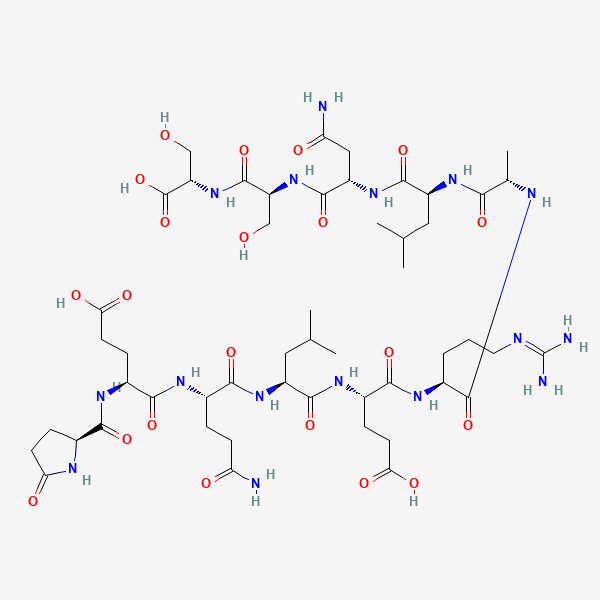
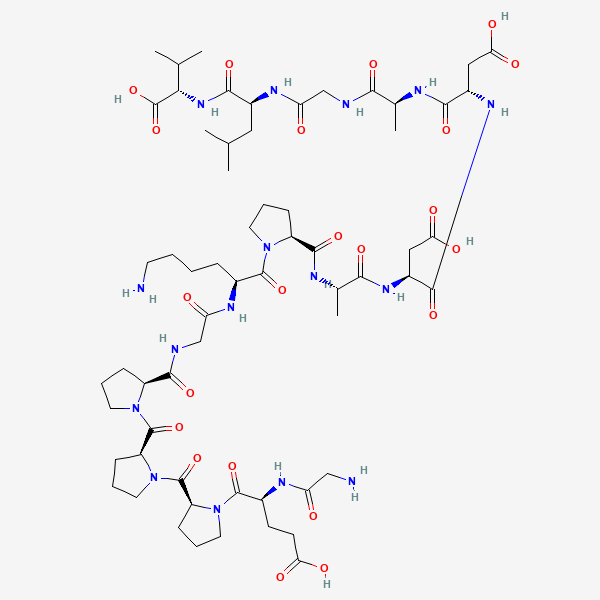
| What each peptide is | An 11-amino-acid, non-erythropoietic fragment modeled on erythropoietin's tissue-protective surface. | A synthetic 15-amino-acid peptide based on a fragment associated with gastric juice. |
| Research focus | Small-fiber neuropathy, neuropathic symptoms and repair of small nerve fibers. | Tendon, ligament, muscle, wound and gastrointestinal repair, mainly in animal models. |
| Proposed mechanism | Activates the innate repair receptor to support tissue protection and nerve repair without stimulating red-blood-cell production. | Appears to affect angiogenesis, nitric-oxide signaling and growth-factor pathways; no single human target is established. |
| Best human evidence | Randomized trials in sarcoidosis-associated small-fiber neuropathy, including a 64-person Phase 2b study. | No completed randomized efficacy trial; published human experience remains small and uncontrolled. |
| Doses tested in the cited research | 2 mg intravenously three times weekly in the 22-person pilot; 1, 4 or 8 mg subcutaneously daily for 28 days in Phase 2b. | No validated human dose; online protocols are not a substitute for controlled dose-finding research. |
| US development status (July 2026) | Not FDA-approved; FDA records map cibinetide to orphan-drug designations, but designation never became approval. | Not FDA-approved; a 120-person randomized Phase 2 hamstring-strain trial is recruiting, with completion estimated in 2028. |
- Proposed mechanism: Mechanism does not substitute for an efficacy trial.
- US development status (July 2026): Neither compound has an FDA-approved indication. Orphan designation and trial registration do not establish safety or efficacy.
ARA-290 vs BPC-157: the two molecules
The 2D chemical structures, straight from PubChem — a quick way to see how similar (or not) the two actually are.
Which one fits which goal?
There's no universal winner here — the honest answer depends on what you're after. These picks are framed by goal, and each says why.
Small-fiber neuropathy or neuropathic pain research
Leans toward ARA-290
ARA-290 is the only one of the pair with randomized human data and measured small-nerve-fiber outcomes in this population.
Soft-tissue repair in animal models
Leans toward BPC-157
BPC-157 has the broader preclinical record in tendon, ligament, muscle and gastrointestinal repair models.
Choosing only after a completed controlled human trial
Leans toward ARA-290
ARA-290 has completed randomized trials; BPC-157's registered Phase 2 hamstring study is still recruiting and has no results yet.
References
- 1.ARA 290 in sarcoidosis small-fiber neuropathy — randomized double-blind pilot study
- 2.Cibinetide and corneal nerve-fiber abundance — 64-person Phase 2b randomized trial
- 3.Cibinetide FDA substance and orphan-drug mappings
- 4.BPC-157 translational evidence and development barriers — 2026 review
- 5.BPC-157 for acute hamstring muscle strain repair — recruiting Phase 2 trial