ARA-290 vs Humanin
How ARA-290 and Humanin compare — what each is, how strong the human evidence is for each, doses reported in research, the key risks, and 2026 US legal status. No universal winner.
ARA-290 and Humanin come up together when people are weighing similar options. Here's the honest side-by-side: what each is, how strong the human evidence is for each, the doses reported in research, the risks, and where each stands with the FDA as of 2026. There's no universal winner — scroll to the by-goal picks for which one fits which goal.
ARA-290 vs Humanin, point by point
Every dimension side by side — the honest differences, not a scoreboard.
| Dimension | ARA-290 | Humanin |
|---|---|---|
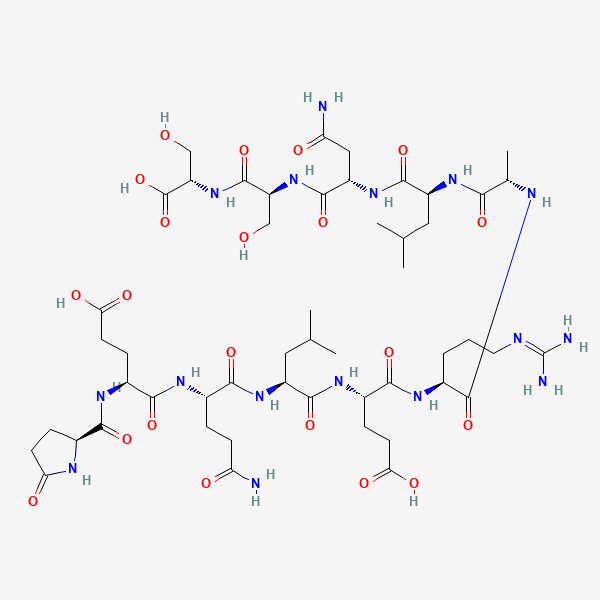
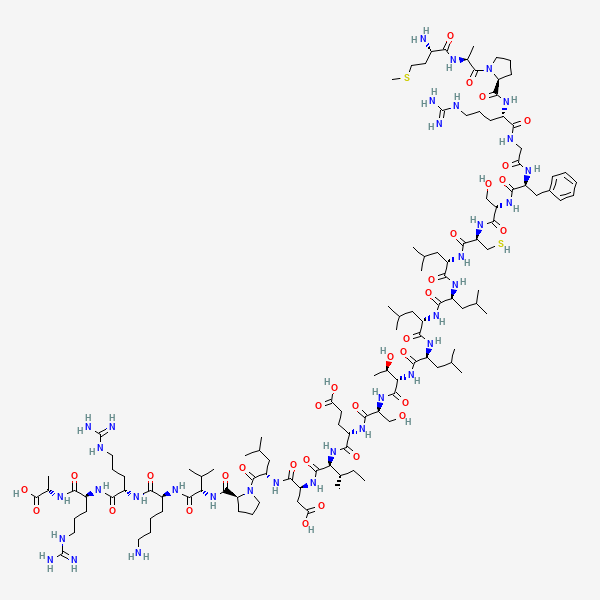
| What it is | Synthetic 11-amino-acid peptide copied from the helix B surface of erythropoietin — a non-erythropoietic 'tissue-protective' EPO derivative | Endogenous 24-amino-acid mitochondrial-derived peptide (MDP), encoded in the mitochondrial 16S rRNA (MT-RNR2) region; studied and sold as a synthetic peptide |
| Class / category | Healing / recovery | Longevity / mitochondrial |
| Evidence tier | Human RCT · Mixed | Animal-only · Unclear · none in humans |
| Studied / approved for | Sarcoidosis-associated small-fiber neuropathy; Neuropathic pain and peripheral nerve repair; Type 2 diabetes / metabolic; Tissue protection after injury | Neuroprotection (Alzheimer's-type toxicity); Metabolism & insulin sensitivity; Cardioprotection; Aging biomarker |
| US regulatory status (2026) | research use only (as of Jul 2026) | research use only (as of Jul 2026) |
| Doses reported in research | No established study doses | No established study doses |
| Registered trials (ClinicalTrials.gov) | 4 | 3 |
| Banned in sport (WADA) | Yes — on the WADA prohibited list | Yes — on the WADA prohibited list |
| Key risks | ARA-290's human safety record comes from small, short Phase 1–2 trials, where it was generally described as well tolerated — reassuring for a research peptide, but a long way from the long-term safety data a real medicine carries. Because it is engineered NOT to raise red blood cells, it lacks EPO's classic clotting/blood-thickening risk, but that is an absence of one known concern, not a clean bill of health. The most concrete real-world risk sits with the unregulated research-chemical supply rather than the molecule itself. | Humanin has no human safety data for administration, because it has never been given to people in a study. Cell and animal work has not flagged obvious toxicity — reassuring, but not the same as human safety, and there is no long-term human data at all. The most concrete real-world risk is the source: humanin trades only as an unregulated research chemical, so its purity, real dose, and sterility carry no guarantee. |
- Evidence tier: A tier reflects how human the evidence is, not a promise the compound works.
ARA-290 vs Humanin: the two molecules
The 2D chemical structures, straight from PubChem — a quick way to see how similar (or not) the two actually are.
Which one fits which goal?
There's no universal winner here — the honest answer depends on what you're after. These picks are framed by goal, and each says why.
If you want the option with more human evidence behind it
Leans toward ARA-290
ARA-290's evidence sits at human rct, a more human tier than Humanin's animal-only. That reflects how the data was gathered, not a guarantee it works.
References
- 1.ARA-290 / cibinetide — indexed research (PubMed, National Library of Medicine)
- 2.Cibinetide in sarcoidosis small-fiber neuropathy — Phase 2 trial (ClinicalTrials.gov)
- 3.ARA-290 — registered clinical studies (ClinicalTrials.gov)
- 4.FDA — human drug approvals and status
- 5.Humanin — indexed research (PubMed, National Library of Medicine)
- 6.Humanin — registered clinical studies (ClinicalTrials.gov)