ARA-290 vs LL-37
ARA-290 vs LL-37 compares a repair signal with a membrane-disrupting host-defense peptide, including evidence, safety, and goal-specific picks.
ARA-290 vs LL-37 is a comparison between two peptides that influence immunity in opposite ways: ARA-290 mainly signals damaged tissue to quiet sterile inflammation and repair, while LL-37 directly attacks microbial membranes and can also turn inflammation up. No trial has compared them directly; this page weighs their separate evidence, not a fictional showdown.
What is the core difference?
ARA-290 is best understood as a repair message, while LL-37 is both a weapon and an alarm. ARA-290, also called cibinetide, is a synthetic fragment modeled on erythropoietin’s tissue-protective surface. LL-37 is the human cathelicidin: an antimicrobial peptide released at skin, airway, gut, and immune-cell barriers.
That makes the phrase “immune peptide” almost too broad to help. ARA-290 is aimed at sterile inflammation, meaning inflammation caused by injury rather than infection. LL-37 is built into host defense against microbes. The ara 290 vs ll37 inflammation question therefore starts with cause: damaged tissue without a pathogen points toward ARA-290’s research story; direct microbial killing points toward LL-37’s laboratory biology.
How do ARA-290 and LL-37 work?
ARA-290 works through receptor signaling; LL-37 works first through physical contact with membranes. ARA-290 is designed to activate the innate repair receptor, usually described as a complex containing an erythropoietin-receptor subunit and the beta-common receptor CD131. The signal is associated with inflammation control, cell survival, and tissue repair, although the precise human receptor biology is not completely settled.
ARA-290 is non-erythropoietic: researchers engineered it not to trigger EPO’s red-blood-cell pathway, and cited animal studies found no rise in hematocrit. In plain terms, cibinetide does not act like EPO’s red-cell-building signal. That removes EPO’s defining blood-thickening mechanism; it does not prove that ARA-290 has no clotting risk or that long-term use is safe.
LL-37 is positively charged and amphipathic, meaning one face likes water while another likes fat. That structure lets LL-37 insert into lipid bilayers and disturb their hydrophobic core, a physical route to membrane disruption. LL-37 also signals through host pathways. The second job is why “antimicrobial” is only half the label.
Which peptide has stronger evidence?
ARA-290 has the stronger human evidence, but neither side has direct comparative proof. A 64-person, 28-day randomized trial compared daily subcutaneous cibinetide doses of 1, 4, or 8 mg with placebo in sarcoidosis-associated small-fiber neuropathy. The 4 mg group improved a corneal nerve-fiber measure, while pain improved across groups and the placebo-corrected pain result was not statistically significant. That supports a human-RCT, mixed grade rather than a victory lap.
LL-37’s headline systemic antimicrobial use remains animal-only on this site. Membrane studies show how LL-37 disrupts lipid bilayers, and cell and animal work maps broad antimicrobial activity. That is mechanistic and preclinical evidence, not proof that injected LL-37 clears infection in people. Narrow local and early-stage human work does not establish the systemic use sold around the research market.
The shared comparison badge is therefore animal-only, the weaker of the two headline tiers. That is the decisive evidence split in ara-290 vs ll-37. Anyone searching cibinetide vs ll-37 should see that asymmetry before mechanisms or anecdotes blur it. The full grading rules are explained in the evidence-grading guide.
Why can LL-37 increase inflammation?
LL-37 can defend tissue or inflame it because location, concentration, and surrounding molecules change the result. Laboratory work shows LL-37 can bind self-RNA released by damaged cells and help that RNA engage cell-surface scavenger receptors, provoking inflammatory gene activity. Psoriasis and rosacea are two human diseases in which abnormal LL-37 biology has been linked to inflammatory signaling.
That double edge is not a side note. The membrane activity that makes LL-37 useful against microbes can also damage host cells at sufficient concentrations. More LL-37 is not automatically better; the body regulates where and when the peptide appears for a reason. By contrast, ARA-290’s intended direction is anti-inflammatory repair signaling, not direct microbial killing.
How do safety and regulatory status compare?
Neither peptide is FDA-approved, and both profiles classify the US market status in 2026 as research-use-only. That phrase is a vendor label, not evidence of FDA review, lawful therapeutic marketing, pharmaceutical-grade manufacturing, or an accepted human protocol. The regulatory-status reference explains why “available to buy” and “approved for treatment” are different claims.
ARA-290 has small, short human trials that provide a limited safety signal, but not long-term reassurance. LL-37 has less systemic human safety information and a harder biological trade-off. FDA’s April 2026 compounding safety page says the agency lacks enough safety information to know whether compounded cathelicidin LL-37 would harm humans, and flags immunogenicity, peptide-impurity, and characterization concerns.
The supply chain adds a separate uncertainty for both. A research vial does not inherit the identity, sterility, or dosing controls of a licensed medicine merely because the label has a clean font.
Which one fits which research goal?
ARA-290 fits research centered on sterile inflammation, neuropathic symptoms, and small-fiber repair; LL-37 fits research centered on direct antimicrobial and membrane-disrupting activity. Those are by-goal picks, not a universal winner. A pathogen and an injured nerve are different targets, even if both sit under the immune-peptides hub.
For the strongest human evidence, ARA-290 is the clearer pick because randomized neuropathy trials exist. For direct study of microbial membranes, LL-37 is the biologically relevant pick, with the explicit warning that its headline therapeutic evidence remains preclinical and its inflammatory effects can cut the wrong way.
The reverse phrasing, ll-37 vs ara-290, does not change the answer: first identify whether the goal is pathogen attack or inflammation resolution. Then apply the evidence tier and safety limits. No direct head-to-head trial has tested either choice, so a single overall champion would be marketing, not evidence.
ARA-290 vs LL-37, point by point
Every dimension side by side — the honest differences, not a scoreboard.
| Dimension | ARA-290 | LL-37 |
|---|---|---|
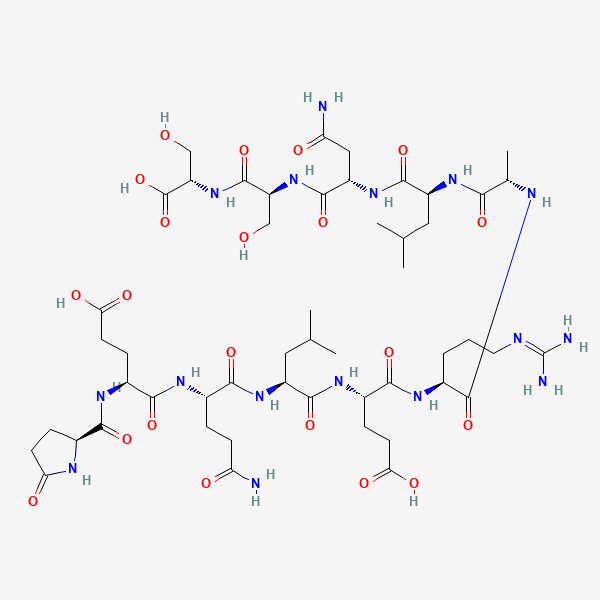
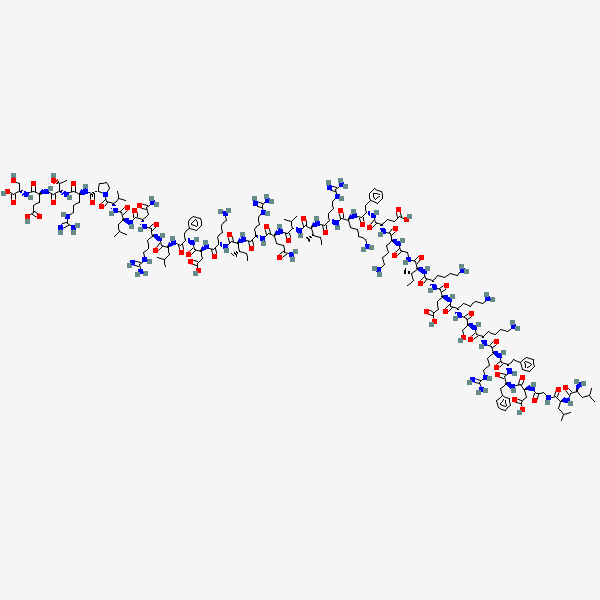
| What it is | A synthetic 11-amino-acid peptide modeled on the tissue-protective surface of erythropoietin (EPO); also called cibinetide. | The endogenous 37-amino-acid human cathelicidin released from the hCAP-18 precursor; synthetic copies are also studied. |
| Primary target | The proposed innate repair receptor, described as an EPO-receptor/CD131 complex on injured tissue and immune cells. | Microbial lipid membranes directly, plus host receptors and nucleic-acid pathways that alter immune signaling. |
| Core mechanism | Sends a non-erythropoietic anti-inflammatory and tissue-repair signal; animal studies found no rise in hematocrit. | Disrupts microbial membranes and recruits immune responses; depending on context, the same peptide can also amplify inflammation. |
| Headline evidence | Human RCT: small randomized trials in sarcoidosis-associated small-fiber neuropathy found signals in nerve-fiber measures, with mixed clinical endpoints. | Animal-only for the headline systemic antimicrobial use; human work is limited to narrower local or early-stage applications. |
| Safety picture | Small, short human studies described cibinetide as generally well tolerated. It is non-erythropoietic, but long-term safety is unknown. | Human systemic safety data are sparse. LL-37 can injure host cells at sufficient concentrations and can drive inflammatory signaling. |
| US regulatory status (2026) | Research-use-only; not FDA-approved and not an approved dietary supplement. | Research-use-only; not FDA-approved. FDA lists specific safety and characterization concerns for compounded cathelicidin LL-37. |
| Doses in human research | A 28-day Phase 2b trial compared 1, 4, and 8 mg daily by subcutaneous injection with placebo. These were study doses, not an approved protocol. | No established systemic human dose for the antimicrobial use. Local formulations have been studied, but they do not validate injected dosing. |
- Headline evidence: The shared badge uses the weaker tier, animal-only. No trial has compared ARA-290 with LL-37 directly.
ARA-290 vs LL-37: the two molecules
The 2D chemical structures, straight from PubChem — a quick way to see how similar (or not) the two actually are.
Which one fits which goal?
There's no universal winner here — the honest answer depends on what you're after. These picks are framed by goal, and each says why.
Studying sterile inflammation with small-fiber nerve injury
Leans toward ARA-290
ARA-290 was built to deliver an anti-inflammatory repair signal, and this is the side with randomized human neuropathy data.
Studying direct antimicrobial or membrane-disrupting activity
Leans toward LL-37
LL-37 directly interacts with lipid membranes and is the relevant laboratory model when the target is a microbe rather than sterile tissue damage.
Choosing the compound with stronger human evidence
Leans toward ARA-290
ARA-290 has small randomized human trials for its headline neuropathy use; LL-37's headline antimicrobial use remains animal-only.
References
- 1.Cibinetide in sarcoidosis-associated small nerve fiber loss and neuropathic pain (PubMed PMID 28475703)
- 2.EPO-derived ARA-290 protected diabetic rat retinas without altering hematocrit (PubMed PMID 21911748)
- 3.LL-37 disruption of lipid bilayers (PubMed PMID 15222757)
- 4.LL-37 promotes inflammatory responses to self-RNA (PMC)
- 5.FDA safety concerns for compounded cathelicidin LL-37