ARA-290 vs Thymosin Alpha-1
ARA-290 vs Thymosin Alpha-1 compares two immune peptides with human trials: neuropathy-focused cibinetide versus broader immune drug thymalfasin.
ARA-290 vs Thymosin Alpha-1 is not a winner-takes-all matchup: ARA-290 has small randomized trials centered on sarcoidosis-related small-fiber neuropathy, while thymosin alpha-1 has a broader, older trial record in hepatitis, immune dysfunction, and sepsis. No trial has compared them directly; this page weighs their separate human evidence by goal.
Has a trial compared ARA-290 with thymosin alpha-1?
No direct trial has compared ARA-290 with thymosin alpha-1, and no credible basis exists for claiming that one outperforms the other overall. The useful comparison is between two independent clinical programs: ARA-290, also called cibinetide, was developed around tissue protection and nerve repair; thymosin alpha-1, also called thymalfasin, was developed as an immune modulator. That difference matters more than the shared word peptide.
The live search results tend to flatten this into a mechanism chart or a proposed stack. That skips the question readers actually need answered: what was tested in people, for which condition, and how convincing was the result? Cibinetide vs thymalfasin is a comparison of separate evidence bases, not a license to invent synergy, sequencing, or a combined protocol. No human trial located in this review tested the pair together either.
How do their mechanisms differ?
ARA-290 is the repair-signal option; thymosin alpha-1 is the immune-coordination option. ARA-290 copies a small surface region of erythropoietin (EPO) and targets the innate repair receptor, a receptor partnership involving EPOR and CD131. The aim is to carry EPO’s anti-inflammatory, tissue-protective message without triggering the red-blood-cell production associated with ordinary EPO. In plain English, ARA-290 keeps the repair memo and drops the blood-building attachment.
Thymosin alpha-1 works farther upstream in immune organization. Thymosin alpha-1 affects T-cell maturation, dendritic-cell signaling, natural-killer-cell activity, and Toll-like receptors. Those systems help the body identify threats and organize a response. That is why its clinical literature spans chronic viral hepatitis, weak immune responses, sepsis, and cancer-support research rather than one nerve disorder.
Both belong in the immune peptides guide, but “immune peptide” is a filing cabinet, not a drug class. A repair-receptor agonist and a thymic immunomodulator can touch inflammation from different directions without being substitutes.
Which peptide has stronger human evidence?
Thymosin alpha-1 has the deeper human trial base, while ARA-290 has the tighter match to small-fiber neuropathy. Both earn the shared Human RCT tier, but a tier describes the best study design reached, not the size or consistency of the whole library. That is the most useful distinction in ara-290 vs thymosin alpha-1.
ARA-290’s early randomized work was small. A 22-person double-blind pilot in sarcoidosis used placebo control and found improvement in a small-fiber-neuropathy symptom score, but some pain and fatigue measures improved similarly in both groups (PubMed). A later randomized Phase 2 study tested daily subcutaneous dosing against placebo and measured neuropathic symptoms plus corneal and skin nerve fibers (NCT02039687). Those are real human data, yet the program stayed small and never became an approved treatment.
Thymosin alpha-1 has decades of randomized trials, but more studies do not guarantee a clean win. A 97-person Phase 3 hepatitis B trial used 1.6 mg twice weekly for six months and did not confirm efficacy on its prespecified response measures (PubMed). More recently, a double-blind Phase 3 sepsis trial randomized 1,106 adults and found no clear reduction in 28-day mortality or improvement in secondary outcomes (PubMed). Thymosin alpha-1 therefore has greater evidence depth, but its verdict still depends on the indication.
This is why “two immune peptides with human trials” is more informative than calling both clinically established. These are rare examples of immune peptides with human trials; they are not equally mature, and neither trial record supports a universal wellness claim. The site’s evidence-grading method keeps study design separate from result quality and clinical relevance.
What does their 2026 regulatory status change?
Neither ARA-290 nor thymosin alpha-1 is FDA-approved in the United States as of July 2026. Thymalfasin has a pharmaceutical precedent abroad: the Zadaxin product information lists subcutaneous use for chronic hepatitis B and a 1.6 mg twice-weekly regimen. FDA’s orphan drug database, however, states that thymalfasin was not FDA-approved for that orphan indication. Foreign marketing history is evidence of regulated use somewhere, not a US approval in disguise.
Compounding does not erase that line. FDA’s current safety page says thymosin alpha-1 was withdrawn from bulk-drug nomination and flags inadequate safety information plus peptide impurity and immunogenicity concerns. FDA’s May 2026 503A list places cibinetide in Category 3, meaning it was nominated without adequate support. The practical status row is therefore less romantic than the vendor pages: both remain outside the FDA-approved drug system here. The regulatory-status guide explains why “available,” “compounded,” and “FDA-approved” are three different claims.
Which one fits which research goal?
ARA-290 fits the neuropathy question; thymosin alpha-1 fits the broader immune-literature question. For sarcoidosis-associated small-fiber neuropathy, ARA-290 is the evidence-matched pick because that is what its randomized trials actually studied. For chronic viral hepatitis, immune restoration, or sepsis literature, thymosin alpha-1 is the relevant compound because its human program directly addressed those settings.
Thymosin alpha-1 is also the better pick when the goal is the larger human safety and exposure record or an approved-product precedent outside the United States. ARA-290 is the better pick when the goal is a more narrowly designed repair signal that avoids EPO’s red-cell pathway. Neither choice means proven benefit for a new condition, and neither supports self-directed treatment. In thymosin alpha-1 vs ara-290, the condition chooses the evidence lane; there is no honest all-purpose winner.
ARA-290 vs Thymosin Alpha-1, point by point
Every dimension side by side — the honest differences, not a scoreboard.
| Dimension | ARA-290 | Thymosin Alpha-1 |
|---|---|---|
| Mechanism | Activates the innate repair receptor (EPOR/CD131), aiming to reduce inflammatory injury and support tissue and nerve repair without raising red blood cells. | Modulates T cells, dendritic cells, natural killer cells, and Toll-like-receptor signaling to shape innate and adaptive immune responses. |
| Main human indications studied | Sarcoidosis-associated small-fiber neuropathy, neuropathic symptoms, and corneal small-nerve-fiber measures. | Chronic hepatitis B and C, immune restoration, sepsis, severe infection, and adjunctive cancer immunotherapy. |
| Evidence depth | Small, early randomized trials with encouraging but mixed neuropathy findings; no Phase 3 approval program. | A much larger and older RCT record across several indications, including Phase 3 trials; clinical benefit remains indication-specific and often mixed. |
| Direct comparison | No direct head-to-head trial against thymosin alpha-1 was found. | No direct head-to-head trial against ARA-290 was found. |
| US regulatory status (2026) | Not FDA-approved; investigational, with cibinetide listed by FDA among 503A bulk substances nominated without adequate support. | Not FDA-approved; FDA lists thymosin alpha-1 among withdrawn compounding nominations with significant safety concerns. |
- Mechanism: Both affect immune biology, but they do not work through the same receptor system or chase the same clinical outcome.
- Evidence depth: The shared badge is Human RCT, but equal tier does not mean equal volume, consistency, or clinical maturity.
- Direct comparison: This comparison weighs separate trial programs, not a comparative efficacy study.
- US regulatory status (2026): Thymalfasin is marketed as Zadaxin in some countries, but foreign approval does not create US approval.
ARA-290 vs Thymosin Alpha-1: the two molecules
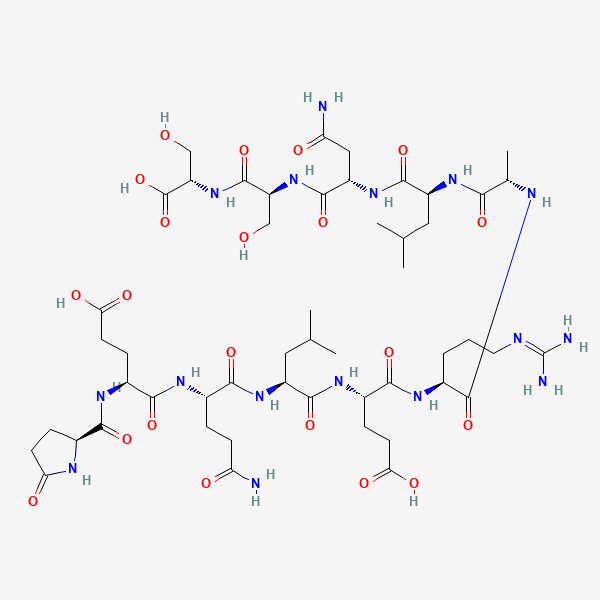
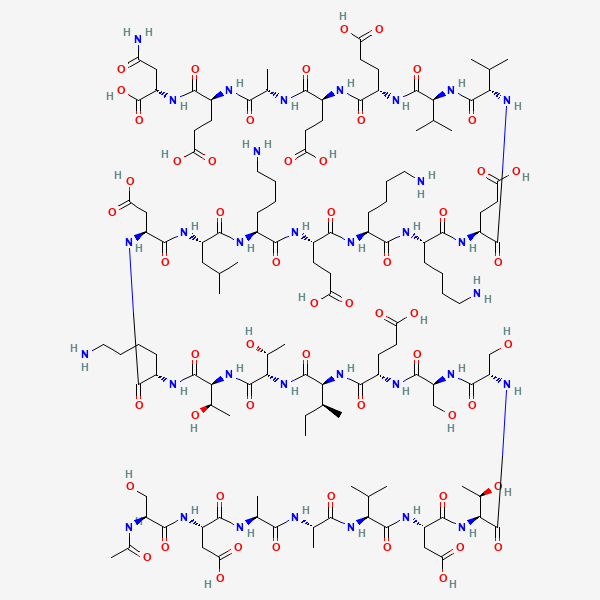
The 2D chemical structures, straight from PubChem — a quick way to see how similar (or not) the two actually are.
Which one fits which goal?
There's no universal winner here — the honest answer depends on what you're after. These picks are framed by goal, and each says why.
Following the human evidence for sarcoidosis-related small-fiber neuropathy
Leans toward ARA-290
ARA-290's randomized human program directly studied neuropathic symptoms and small-nerve-fiber measures in sarcoidosis.
Following the broader clinical literature on immune modulation
Leans toward Thymosin Alpha-1
Thymosin alpha-1 has the deeper human record across hepatitis, immune restoration, sepsis, and other immune settings.
Wanting a regulated pharmaceutical precedent outside the United States
Leans toward Thymosin Alpha-1
Thymalfasin has an established injectable product, Zadaxin, in some countries; ARA-290 never reached an approved product.
References
- 1.ARA 290 in sarcoidosis small-fiber neuropathy: randomized double-blind pilot study
- 2.ARA 290 sarcoidosis neuropathy Phase 2 study (NCT02039687)
- 3.Thymosin alpha-1 for chronic hepatitis B: Phase 3 randomized trial
- 4.Thymosin alpha-1 for sepsis: multicenter Phase 3 randomized trial
- 5.FDA: bulk drug substances that may present significant compounding safety risks