Biotinoyl Tripeptide-1 vs GHK-Cu
How Biotinoyl Tripeptide-1 and GHK-Cu compare — what each is, how strong the human evidence is for each, doses reported in research, the key risks, and 2026 US legal status. No universal winner.
Biotinoyl Tripeptide-1 and GHK-Cu come up together when people are weighing similar options. Here's the honest side-by-side: what each is, how strong the human evidence is for each, the doses reported in research, the risks, and where each stands with the FDA as of 2026. There's no universal winner — scroll to the by-goal picks for which one fits which goal.
Biotinoyl Tripeptide-1 vs GHK-Cu, point by point
Every dimension side by side — the honest differences, not a scoreboard.
| Dimension | Biotinoyl Tripeptide-1 | GHK-Cu |
|---|---|---|
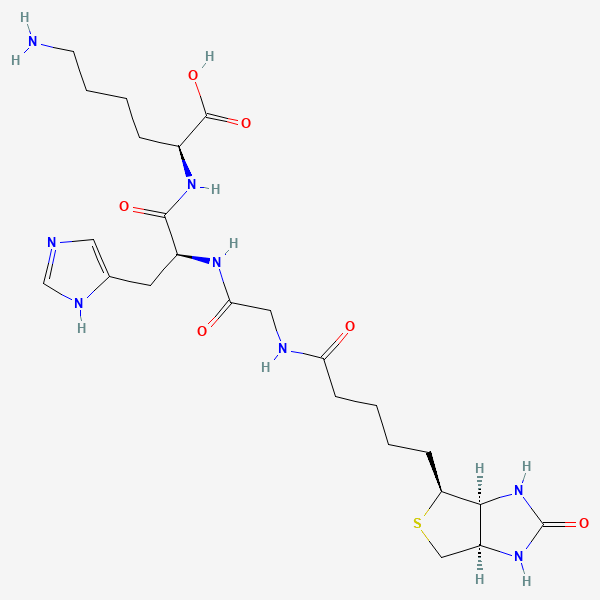
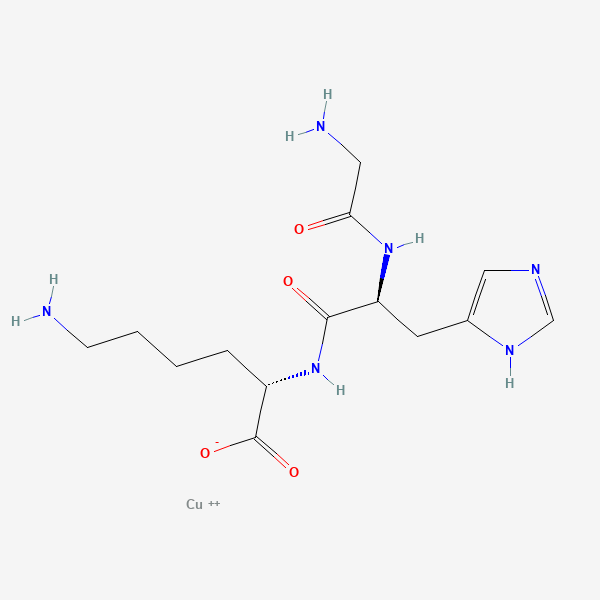
| What it is | Synthetic cosmetic tripeptide made by conjugating biotin to glycyl-L-histidyl-L-lysine (GHK) | Naturally occurring copper-binding tripeptide (glycyl-L-histidyl-L-lysine complexed with copper(II)) |
| Class / category | Cosmetic / skin | Cosmetic / skin |
| Evidence tier | In-vitro · Unclear · none in humans | Human observational · Mixed |
| Studied / approved for | Topical support for hair anchoring and growth | Skin aging and wrinkles; Skin wound healing; Anti-inflammatory / anti-fibrosis |
| US regulatory status (2026) | unscheduled (as of Jul 2026) | research use only (as of Jul 2026) |
| Doses reported in research | No established study doses | No established study doses |
| Registered trials (ClinicalTrials.gov) | No data | 2 |
| Banned in sport (WADA) | Unknown | Yes — on the WADA prohibited list |
| Key risks | No long-term human safety trial has isolated biotinoyl tripeptide-1. A human study of a multi-ingredient topical formula reported generally good tolerability with some mild scalp complaints, but those findings cannot identify the peptide as either the cause or the safe component. Finished-product preservatives, solvents, and other actives matter to topical risk. | GHK-Cu has a long track record as a topical cosmetic ingredient with few reported problems beyond occasional irritation. Injected or systemic use is far less studied in humans. FDA flags compounded injectable GHK-Cu for potential immunogenicity from aggregation and peptide-related impurities and says human safety data are limited. There is no long-term human safety dataset for injected GHK-Cu. |
- Evidence tier: A tier reflects how human the evidence is, not a promise the compound works.
Biotinoyl Tripeptide-1 vs GHK-Cu: the two molecules
The 2D chemical structures, straight from PubChem — a quick way to see how similar (or not) the two actually are.
Which one fits which goal?
There's no universal winner here — the honest answer depends on what you're after. These picks are framed by goal, and each says why.
If you want the option with more human evidence behind it
Leans toward GHK-Cu
GHK-Cu's evidence sits at human observational, a more human tier than Biotinoyl Tripeptide-1's in-vitro. That reflects how the data was gathered, not a guarantee it works.
References
- 1.Biotinoyl tripeptide-1 — PubChem CID 11534242
- 2.Voiculescu and Lupu, 2025 — multi-ingredient androgenetic alopecia trial
- 3.FDA — Cosmetics & U.S. Law
- 4.DailyMed — topical serum listing biotinoyl tripeptide-1 as an inactive ingredient
- 5.Pickart et al., 2015 — GHK peptide as a natural modulator of skin-regeneration pathways (review)
- 6.Greco et al., 2025 — GHK-Cu conjugates show antioxidant, osteogenic and angiogenic effects (in-vitro)