BPC-157 vs CJC-1295 for recovery
BPC-157 vs CJC-1295 for recovery: compare animal-only tissue-repair evidence with human GH/IGF-1 data, risks, andundefinedFDA status.
BPC-157 vs CJC-1295 is not a clean winner-versus-loser question: BPC-157 is the more injury-specific candidate, but its repair evidence is animal-only, while CJC-1295 reliably raises GH and IGF-1 in humans without showing that it heals injuries. No trial has compared them directly; this weighs their separate evidence.
Which is better for injury recovery?
BPC-157 is the more relevant research candidate for a specific tendon, ligament or muscle injury; CJC-1295 is the better-supported way to raise growth hormone (GH) and insulin-like growth factor 1 (IGF-1). Neither has demonstrated faster injury healing in a completed controlled human trial. That makes “best peptide for injury recovery” a question the evidence cannot yet settle with a human outcome.
BPC-157 has at least been tested against the problem being asked. In a 2003 study, rats with fully transected Achilles tendons received BPC-157 or saline; the treated animals had better functional, microscopic and biomechanical measures of repair (Staresinic et al., 2003). That is a useful signal, but a rat tendon is not a human shoulder, knee or hamstring. The registered Phase 2 hamstring study is the first proper chance to close that gap, and its results are not available yet (ClinicalTrials.gov, NCT07437547).
What does the human evidence actually show?
CJC-1295 has the stronger human evidence tier, but only for a biomarker effect: raising GH and IGF-1. The randomized trials did not enroll injured people, measure tendon repair, compare return-to-sport times or test CJC-1295 against BPC-157. A verified hormone change is real pharmacology; calling it verified recovery would be one leap too far.
CJC-1295 with DAC was tested in two randomized, placebo-controlled, double-blind dose-escalation studies in healthy adults. A single subcutaneous dose raised mean GH two- to ten-fold for at least six days and mean IGF-1 1.5- to three-fold for nine to eleven days. The estimated half-life was 5.8 to 8.1 days (Teichman et al., 2006). Those numbers support systemic hormone elevation, not tissue healing. This distinction is the part most cjc-1295 vs bpc-157 pages glide past.
Is this really local repair vs growth hormone?
Local repair vs growth hormone is a useful shorthand for the research focus, not a map of where each injected molecule travels. BPC-157’s evidence centers on injured tissues and proposed angiogenic, nitric-oxide and growth-factor pathways. CJC-1295 acts at pituitary GHRH receptors, creating a body-wide GH signal and downstream IGF-1 rise.
BPC-157 is therefore the direct candidate: researchers give the compound after an injury and inspect the damaged tissue. CJC-1295 is the indirect candidate: higher GH and IGF-1 could plausibly affect recovery biology, but the published human studies stop at hormone measurements. No controlled study shows that combining the two closes either evidence gap. Two plausible mechanisms in one syringe do not quietly turn into a clinical trial.
Should you compare bpc-157 or cjc-1295 by dose?
BPC-157 or CJC-1295 cannot be compared fairly by the doses circulated online. The BPC-157 injury experiments use rat regimens, while the CJC-1295 trial used weight-based doses of the long-acting DAC form to map pharmacokinetics and hormone response. Neither record establishes an approved human dose for recovery.
The CJC-1295 dose-escalation cohorts received 30, 60, 125 or 250 micrograms per kilogram subcutaneously. Reporting those study doses is not recommending them; the trial was designed around GH, IGF-1, pharmacokinetics and short-term tolerability. BPC-157’s animal doses are even less transferable. Species, route and endpoint all change what a number means, so a neat milligram-to-milligram table would create precision the research does not have.
How do the risks and FDA status differ in 2026?
Both compounds remain unapproved drugs in the United States, with no FDA-approved injury indication or dose. BPC-157 has limited human safety evidence. CJC-1295 has short-term controlled exposure data, but deliberate GH/IGF-1 elevation brings a different risk frame, and long-term human safety remains unresolved. Research-market purity and sterility add uncertainty for both.
CJC-1295 was removed from FDA’s Category 2 list on September 27, 2024 because its nominations were withdrawn, not because FDA approved it or cleared its safety. FDA then evaluated five CJC-1295-related substances, and the December 2024 advisory committee voted against placing each on the 503A bulks list (FDA briefing).
BPC-157 free base and acetate are scheduled for Pharmacy Compounding Advisory Committee review on July 23, 2026, for possible 503A-list inclusion for ulcerative colitis—not injury recovery (FDA meeting page). FDA originally displayed docket FDA-2026-N-2979 for the notice; its July 14 update now identifies FDA-2025-N-6895 as the public-comment docket. A committee review is not drug approval, whichever docket number appears in an older result.
What is the honest by-goal answer?
BPC-157 is the evidence-matched pick for an injury-specific research question; CJC-1295 is the evidence-matched pick for a sustained human GH/IGF-1 response. Neither deserves a universal recovery crown. The comparison table and by-goal picks keep those two claims separate, because one compound’s stronger evidence cannot be borrowed to patch the other’s missing endpoint.
For bpc-157 vs cjc-1295, that split is the answer. For a broader map of what has and has not reached human testing, see our guide to peptides for healing and recovery. The useful answer today is not that one peptide wins. BPC-157 has the more relevant target and weaker evidence tier; CJC-1295 has the stronger human study design and the wrong endpoint for the injury question. The proof is starting to arrive, but it has not arrived at the same destination yet.
BPC-157 vs CJC-1295 for recovery, point by point
Every dimension side by side — the honest differences, not a scoreboard.
| Dimension | BPC-157 | CJC-1295 for recovery |
|---|---|---|
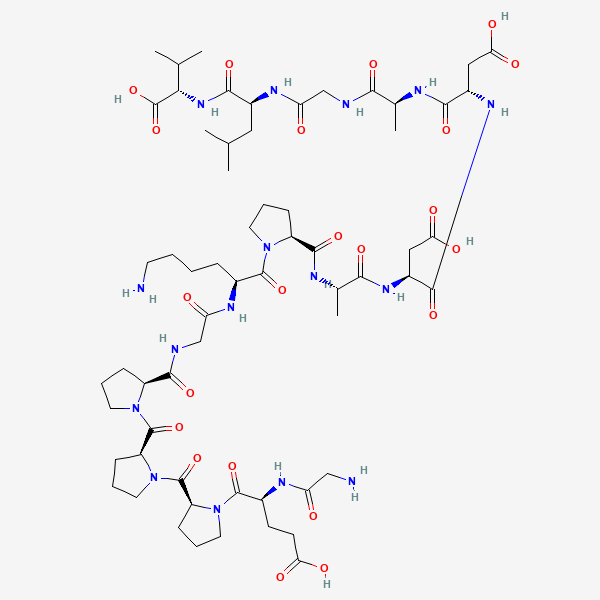
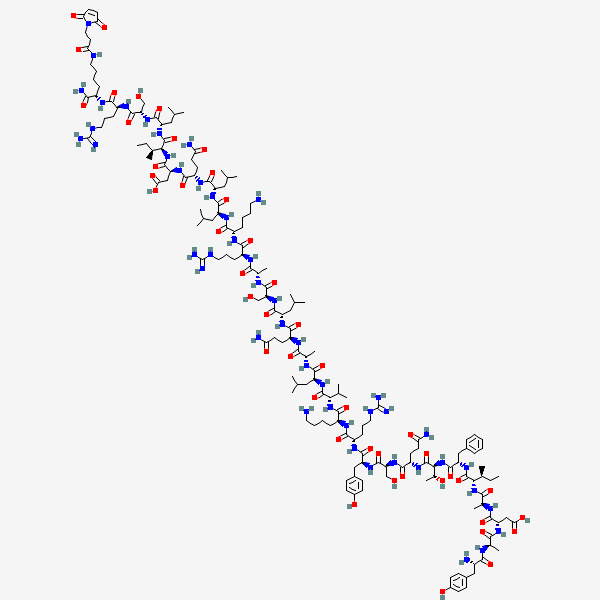
| What it is | A synthetic 15-amino-acid peptide studied as a tissue-repair candidate. | A synthetic analog of growth-hormone-releasing hormone (GHRH); the DAC form binds albumin and lasts for days. |
| Recovery question it addresses | Focal tendon, ligament, muscle and gut repair in animal injury models. | Systemic growth-hormone and IGF-1 elevation, proposed as indirect support for recovery. |
| Evidence for healing an injury | Animal-only: rat tendon, ligament and muscle studies report better repair; no completed controlled human efficacy trial. | Mechanistic hypothesis: human trials confirm higher GH and IGF-1, but no trial measured injury healing or return to sport. |
| Strongest human evidence | Small reports exist, but no completed randomized trial has shown tissue repair in people. | Randomized, double-blind PK/PD trials in healthy adults showed sustained GH and IGF-1 increases with CJC-1295 DAC. |
| Research-dose context | Published injury doses are animal regimens and cannot be converted into a human recovery dose. | The human dose-escalation study tested 30, 60, 125 and 250 micrograms/kg subcutaneously to measure hormones, not healing. |
| US regulatory status (July 2026) | Not FDA-approved; BPC-157 free base and acetate are scheduled for FDA PCAC review on July 23, 2026 for possible 503A-list inclusion. | Not FDA-approved; removed from Category 2 in September 2024 after nominations were withdrawn, then reviewed unfavorably by PCAC for 503A-list inclusion. |
| Main uncertainty | Whether repeated benefits in rat injuries translate to people, plus limited human safety data. | Whether a verified hormone rise produces faster healing, plus limited long-term safety data. |
- Recovery question it addresses: ‘Local’ describes BPC-157's injury-focused evidence, not proof that an injection stays at one site.
- Research-dose context: Neither compound has an FDA-approved dose for injury recovery.
- US regulatory status (July 2026): Removal from Category 2 was procedural, not an approval or a finding that compounded CJC-1295 is safe.
BPC-157 vs CJC-1295 for recovery: the two molecules
The 2D chemical structures, straight from PubChem — a quick way to see how similar (or not) the two actually are.
Which one fits which goal?
There's no universal winner here — the honest answer depends on what you're after. These picks are framed by goal, and each says why.
Most directly relevant research for a focal tendon or ligament injury
Leans toward BPC-157
BPC-157 has the injury-specific preclinical record; CJC-1295 has no injury-healing endpoint. The tradeoff is that BPC-157's efficacy evidence remains animal-only.
A human-demonstrated rise in GH and IGF-1
Leans toward CJC-1295 for recovery
CJC-1295 DAC raised both hormones in randomized human studies. That proves the hormonal effect, not faster injury recovery.
An injury-focused candidate without deliberately raising the GH/IGF-1 axis
Leans toward BPC-157
BPC-157 is studied through repair-related pathways rather than pituitary GH release, although its exact human mechanism is not established.
The stronger human evidence tier for the compound's core biological effect
Leans toward CJC-1295 for recovery
CJC-1295 has randomized human PK/PD evidence for GH and IGF-1 elevation; BPC-157's headline repair evidence is still preclinical.
References
- 1.Staresinic et al., 2003 — BPC-157 and transected Achilles-tendon healing in rats (PubMed)
- 2.Teichman et al., 2006 — CJC-1295 pharmacokinetics and GH/IGF-1 effects in healthy adults (PubMed)
- 3.BPC-157 for acute hamstring strain — Phase 2 study NCT07437547 (ClinicalTrials.gov)
- 4.FDA PCAC briefing — CJC-1295-related bulk drug substances (December 2024)
- 5.FDA PCAC meeting — BPC-157-related bulk drug substances (July 23, 2026)