BPC-157 vs KPV
BPC-157 vs KPV compares broad tissue and gut repair with targeted anti-inflammatory research for gut and skin, with honest by-goal picks.
BPC-157 vs KPV is a choice between a broad repair candidate and a narrower anti-inflammatory one. BPC-157 fits reported musculoskeletal and gut-lining goals; KPV fits reported gut or skin inflammation goals. Neither has human randomized-trial proof, and no trial has compared them directly.
What is the main difference between BPC-157 and KPV?
BPC-157 is studied as a repair signal across several tissues, while KPV is studied mainly as a brake on inflammation. BPC-157’s animal record covers tendon, ligament, muscle, wounds and the gastrointestinal lining. KPV’s preclinical record clusters around inflamed gut tissue, skin cells and immune signaling. That makes the comparison goal-dependent from the first row, not a contest with one winner.
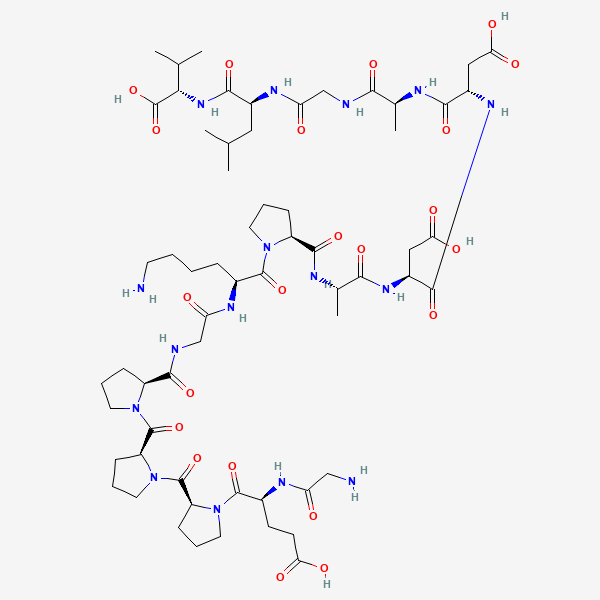
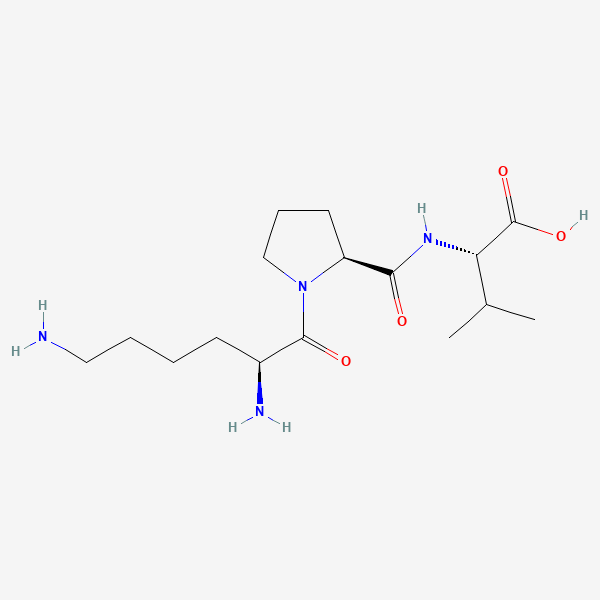
BPC-157 is a synthetic 15-amino-acid peptide based on a fragment of a protein found in gastric juice. KPV is much smaller: three amino acids, lysine-proline-valine, taken from the tail of alpha-melanocyte-stimulating hormone (alpha-MSH). The size difference is descriptive, not proof that one works better or reaches tissue more effectively in people.
The useful shorthand is repair versus inflammation control, with some overlap in the gut. That shorthand reflects separate animal and cell experiments, plus community reports. It does not come from a clinical comparison.
How do their proposed mechanisms differ?
BPC-157 appears to support tissue repair through new blood-vessel growth, growth-factor signaling and the nitric-oxide system in animal models. KPV appears to enter cells through small-peptide transporters and quiet NF-kB, a switch that drives inflammatory signals. Both mechanisms are plausible and repeatedly studied preclinically; neither has been shown to produce a clinical benefit in a human randomized controlled trial.
BPC-157’s mechanism is broad enough to fit why researchers have tested it across damaged tendons, ligaments, muscle and gut tissue. The working idea is that better vascular and repair signaling helps damaged tissue rebuild. The indexed BPC-157 literature remains dominated by animal research.
KPV keeps the anti-inflammatory tail of alpha-MSH without the full hormone’s pigment and appetite actions in the preclinical work. Cell and mouse studies describe lower NF-kB activity and fewer downstream inflammatory signals; the indexed KPV literature shows where that claim comes from. A tidy mechanism is still a lead, not a human outcome.
Which peptide fits which reported goal?
BPC-157 is the closer reported-use match for structural repair, while KPV is the closer match for inflammation-centered goals. For a stubborn tendon, ligament or muscle problem, BPC-157 has the more relevant animal evidence. For gut or skin inflammation, KPV has the more targeted preclinical story. For gut-lining repair itself, BPC-157 is the better-aligned candidate. These are evidence-based matches, not treatment recommendations.
The distinction matters because “healing” can mean two different jobs. Rebuilding injured tissue is not the same task as turning down an inflammatory alarm. BPC-157 and KPV may sit in the same healing-peptide category, but the research questions asked of them are different.
There is no honest universal winner in kpv vs bpc-157. KPV does not inherit BPC-157’s tendon evidence merely because both are called healing peptides, and BPC-157 does not inherit KPV’s focused NF-kB evidence. The by-goal picks below keep those lanes visible.
What does the evidence actually show?
BPC-157 and KPV both grade animal-only for their headline uses, with anecdotal community reports layered on top. BPC-157 also has small human case reports and a recruiting Phase 2 injury study, but no published human randomized trial proving healing efficacy. KPV has no published human intervention trial. No direct head-to-head trial exists, so bpc-157 vs kpv weighs separate bodies of evidence rather than comparative results.
The difference inside the same tier is worth keeping. BPC-157’s efficacy file is mostly animal work across several injury types, with limited human observations that cannot establish cause and effect. KPV’s gut findings come from mice, while much of its skin and signaling evidence comes from cultured cells. The shared animal-only badge is therefore a ceiling, not a claim that both evidence files are identical.
The registered-study searches also differ. ClinicalTrials.gov lists BPC-157 searches and an injury trial, while a KPV search does not establish a registered KPV intervention study. Until controlled human results arrive, community experience stays anecdotal rather than proof.
How does bpc-157 vs kpv gut use compare?
bpc-157 vs kpv gut use separates tissue repair from inflammation control. BPC-157 is the closer match for protecting or repairing the gastrointestinal lining in animal injury models. KPV is the closer match for reducing inflammatory signaling in mouse colitis models. People often pair bpc 157 and kpv to cover both ideas, but the combined strategy has not been tested in humans.
That pairing is the rationale behind the BPC-157 + KPV gut stack: one compound aimed at repair, the other at inflammation. The logic is mechanistically plausible, but plausibility is not combination evidence. No human trial shows that the pair works better than either compound alone, and no stability study establishes that they belong together in one vial or syringe.
Gut symptoms can also hide conditions that already have tested treatments. Research-chemical use cannot diagnose the cause of pain, bleeding, diarrhea or weight loss, and neither peptide is FDA-approved for inflammatory bowel disease or another gastrointestinal condition.
How are they delivered, dosed and regulated?
BPC-157 is usually discussed as a reconstituted subcutaneous injection, although oral products are marketed. KPV is discussed in injectable, oral and topical forms. Neither peptide has an established, clinically validated human dose, schedule or best route. Both are research-use-only in the United States as of 2026, not FDA-approved drugs or legal dietary supplements, and long-term human safety data do not exist.
The animal gut studies used varied routes, so they do not justify copying a single human protocol from a forum. Community-reported amounts are anecdotal and product concentration can vary. The reconstitution calculator handles vial-and-water arithmetic; it does not turn an unvalidated amount into a medically established dose.
Safety uncertainty is shared, but the theoretical questions differ. BPC-157’s angiogenesis mechanism raises an unresolved concern about encouraging unwanted blood-vessel growth. KPV lacks that specific growth-signal question, yet absence of a known concern is not proof of safety. For both, unregulated purity, dose accuracy and sterility add practical risk. Athletes should also treat both as prohibited under WADA’s S0 category for non-approved substances.
BPC-157 vs KPV, point by point
Every dimension side by side — the honest differences, not a scoreboard.
| Dimension | BPC-157 | KPV |
|---|---|---|
| What it is | A synthetic 15-amino-acid peptide based on a fragment of a protein found in gastric juice. | A synthetic three-amino-acid fragment (Lys-Pro-Val) from the tail of alpha-MSH. |
| Primary research focus | Tendon, ligament, muscle, wound and gut-lining repair in animal models. | Gut and skin inflammation, with most findings coming from mouse and cell models. |
| Proposed mechanism | Supports angiogenesis (new blood-vessel growth) and affects growth-factor and nitric-oxide signaling in animal models. | Enters cells through peptide transporters and turns down NF-kB-driven inflammatory signaling in preclinical models. |
| Human evidence | No published human randomized controlled trial for healing efficacy; small case reports exist, and a Phase 2 injury trial is recruiting. | No published human trial and no registered clinical study as an intervention. |
| Reported delivery formats | Usually discussed as a reconstituted subcutaneous injection; oral forms are also marketed. | Discussed in injectable, oral and topical formats, with no established human dose or clinically validated route. |
| US regulatory status (2026) | Research-use-only; not FDA-approved and not a legal dietary supplement. | Research-use-only; not FDA-approved and not a legal dietary supplement. |
- Proposed mechanism: Neither proposed mechanism has been established as a clinical effect in humans.
- Human evidence: No trial has compared BPC-157 and KPV directly; this comparison weighs their separate evidence.
- US regulatory status (2026): Both lack long-term human safety data and are prohibited in sport under WADA's S0 catch-all for non-approved substances.
BPC-157 vs KPV: the two molecules
The 2D chemical structures, straight from PubChem — a quick way to see how similar (or not) the two actually are.
Which one fits which goal?
There's no universal winner here — the honest answer depends on what you're after. These picks are framed by goal, and each says why.
A reported-use match for tendon, ligament or muscle repair
Leans toward BPC-157
BPC-157 is the closer match because its animal evidence spans tendon, ligament, muscle and wound repair; KPV's research does not center on structural musculoskeletal healing.
A reported-use match for gut or skin inflammation
Leans toward KPV
KPV is the more targeted anti-inflammatory candidate because its preclinical record centers on NF-kB signaling, mouse colitis and cultured skin or immune cells.
A reported-use match for gut-lining repair
Leans toward BPC-157
BPC-157 is the closer match when the goal is tissue protection and mucosal repair rather than inflammation alone, based on its replicated animal GI findings.