BPC-157 vs Teduglutide
How BPC-157 and Teduglutide compare — what each is, how strong the human evidence is for each, doses reported in research, the key risks, and 2026 US legal status. No universal winner.
BPC-157 and Teduglutide come up together when people are weighing similar options. Here's the honest side-by-side: what each is, how strong the human evidence is for each, the doses reported in research, the risks, and where each stands with the FDA as of 2026. There's no universal winner — scroll to the by-goal picks for which one fits which goal.
BPC-157 vs Teduglutide, point by point
Every dimension side by side — the honest differences, not a scoreboard.
| Dimension | BPC-157 | Teduglutide |
|---|---|---|
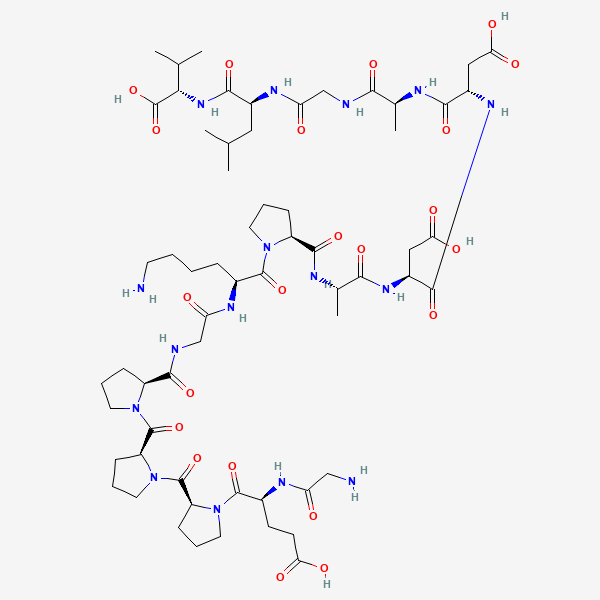
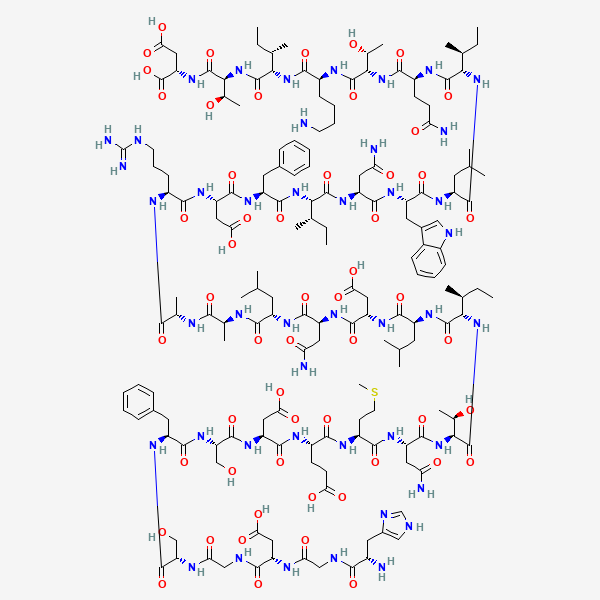
| What it is | Synthetic pentadecapeptide (15 amino acids); often described as a gastric-protein fragment, although FDA found the proposed parent protein has not been independently characterized | GLP-2 receptor agonist (a recombinant analog of the gut hormone glucagon-like peptide-2) |
| Class / category | Healing / recovery | Healing / recovery |
| Evidence tier | Animal-only · Unclear | Human RCT · Helped |
| Studied / approved for | Tendon and ligament healing; Gut/GI healing; Muscle and wound repair | Short bowel syndrome in adults and pediatric patients 1 year and older who depend on parenteral support |
| US regulatory status (2026) | research use only (as of Jul 2026) | fda approved (as of Jul 2026) — approved for Short bowel syndrome in adults and pediatric patients 1 year and older who depend on parenteral support |
| Doses reported in research | No established study doses | No established study doses |
| Registered trials (ClinicalTrials.gov) | 4 | No data |
| Banned in sport (WADA) | Yes — on the WADA prohibited list | Unknown |
| Key risks | Human safety data remain limited. A 2025 pilot reported no measured adverse effects after intravenous BPC-157 in two adults, but two previously exposed participants followed for days cannot establish a safe dose or long-term safety. Most safety information still comes from animal studies. | Teduglutide has substantial human safety data, but its growth-promoting action creates a serious trade-off. The FDA label warns that it may accelerate neoplastic growth and reports intestinal polyps, requiring colonoscopy and upper-GI surveillance. Other important risks include intestinal obstruction, gallbladder or pancreatic disease, fluid overload, and increased absorption of oral medicines. |
- Evidence tier: A tier reflects how human the evidence is, not a promise the compound works.
BPC-157 vs Teduglutide: the two molecules
The 2D chemical structures, straight from PubChem — a quick way to see how similar (or not) the two actually are.
Which one fits which goal?
There's no universal winner here — the honest answer depends on what you're after. These picks are framed by goal, and each says why.
If you want the option with more human evidence behind it
Leans toward Teduglutide
Teduglutide's evidence sits at human rct, a more human tier than BPC-157's animal-only. That reflects how the data was gathered, not a guarantee it works.
If you want an FDA-approved, prescribable option
Leans toward Teduglutide
Teduglutide is FDA-approved (as of Jul 2026); BPC-157 is research use only in the US, so it isn't available as an approved prescription.
References
- 1.BPC-157 — indexed research (PubMed, National Library of Medicine)
- 2.BPC-157 — registered clinical studies (ClinicalTrials.gov)
- 3.FDA — compounding risk information on certain substances
- 4.BPC-157 compound record (PubChem CID 9941957)
- 5.Multifunctionality and Possible Medical Application of the BPC 157 Peptide—Literature and Patent Review
- 6.Phase I Bepecin safety and pharmacokinetics trial (NCT02637284)