Also known as: ALX-0600 · teduglutide [rDNA origin]
Human RCTHelped
On this page
- What is teduglutide?
- How does this GLP-2 peptide work?
- What does the human evidence show?
- Is teduglutide the real “peptide for gut health”?
- What are the teduglutide side effects and cancer risks?
- Is Gattex FDA-approved, and how is teduglutide used?
- Evidence by outcome
- FDA & legal status
- Reported side effects
- Chemical identifiers
- References
- Related compounds
- More on Teduglutide
Teduglutide is a prescription GLP-2 peptide that helps the remaining intestine absorb more fluid and nutrients after major bowel loss. Human randomized trials support its use in parenteral-support-dependent short bowel syndrome, and the FDA approves Gattex for adults and children aged 1 year and older. Its tissue-growth effect also drives its most serious risks.
Key facts
- Evidence: human randomized controlled trials; helped reduce parenteral support.
- U.S. status: FDA-approved in 2012; pediatric indication expanded to ages 1 and older in 2019.
- Studied use: short bowel syndrome with dependence on intravenous nutrition or fluids, not everyday bloating or “leaky gut.”
- Label dose: 0.05 mg/kg by subcutaneous injection once daily; this is label information, not a personal protocol.
- Central risk: possible acceleration of neoplastic growth, intestinal polyps, obstruction, biliary or pancreatic disease, and fluid overload.
What is teduglutide?
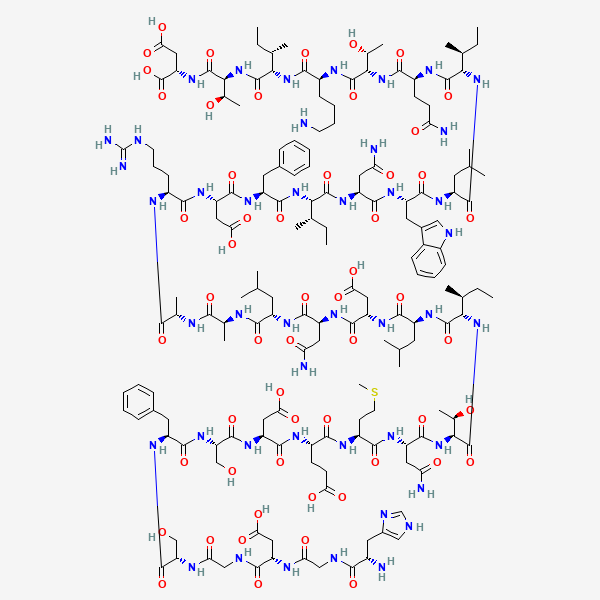
Teduglutide is a 33-amino-acid, lab-made copy of glucagon-like peptide-2 (GLP-2), a hormone released by the lower intestine. Gattex is the U.S. prescription brand. Unlike most compounds in the healing-peptide hub, teduglutide is neither a research chemical nor a speculative recovery aid: it is an FDA-approved treatment for a severe, specific form of intestinal failure.
Short bowel syndrome develops when surgery or disease leaves too little functioning intestine to absorb enough water and nutrients. Some people then need parenteral support, meaning nutrition or fluids delivered into a vein. Teduglutide short bowel syndrome treatment aims to make the bowel that remains do more work.
How does this GLP-2 peptide work?
Teduglutide activates GLP-2 receptors around the intestinal lining, releasing local growth and blood-flow signals. Think of the remaining bowel as a small absorption surface: teduglutide makes its finger-like villi taller and its crypts deeper, creating more working area. The current Gattex label reports increased villus height, crypt depth, and fluid absorption in people.
The GLP-2 vs GLP-1 distinction matters. GLP-1 drugs such as semaglutide mainly affect insulin, appetite, and stomach emptying. GLP-2 is the quieter sibling: it focuses on intestinal growth, blood flow, secretion, and absorption. Teduglutide also resists rapid enzymatic breakdown, giving this GLP-2 peptide a mean terminal half-life of about 1.3 hours in adults with short bowel syndrome.
What does the human evidence show?
Teduglutide has human RCT evidence for reducing intravenous support, not for vague “gut optimization.” In the pivotal 24-week trial, 43 adults received 0.05 mg/kg daily and 43 received placebo. A response meant cutting weekly parenteral-support volume by at least 20% at both weeks 20 and 24; 63% responded with Gattex versus 30% with placebo.
The FDA label’s trial summary also reports a mean weekly reduction of 4.4 liters with Gattex versus 2.3 liters with placebo. An earlier randomized human trial found increased villus height and significant benefit at the approved 0.05 mg/kg dose, although its higher dose missed the primary graded endpoint. More is not automatically better; biology occasionally refuses the marketing department’s preferred graph.
Is teduglutide the real “peptide for gut health”?
Teduglutide gut health claims are legitimate only in their narrow medical lane: severe short bowel syndrome with parenteral dependence. Within that lane, teduglutide is the unusual gut peptide with both measurable human mucosal growth and an FDA-approved clinical outcome. That is a much firmer result than a rodent ulcer model, but it does not make Gattex a general digestive-wellness drug.
The wider peptides for gut health guide separates different jobs that search results often blend together. BPC-157 has mainly animal evidence for gut injury; KPV has preclinical anti-inflammatory evidence; and larazotide reached human trials for regulating intestinal tight junctions. Teduglutide does something different: it grows absorptive mucosa and reduces dependence on intravenous support in a defined patient group.
What are the teduglutide side effects and cancer risks?
Teduglutide side effects are not an afterthought because the desired action—promoting tissue growth—creates the central safety problem. The FDA label warns that Gattex may accelerate hyperplastic changes, including neoplasia. Intestinal polyps occurred in clinical studies, and colorectal, gastric, and small-intestinal polyps have been reported after approval. This is a warning about growth biology, not proof that every patient will develop cancer.
For adults, the label calls for colonoscopy and upper-GI endoscopy within six months before treatment, again after one year, and then every five years or more often when needed. Polyps should be removed; gastrointestinal cancer means stopping therapy. Pediatric patients need stool-blood testing plus colonoscopy or sigmoidoscopy after one year and every five years during continuous treatment. That surveillance schedule is part of the treatment, not optional fine print.
Common adult reactions in pooled placebo-controlled trials included abdominal pain (30%), nausea (23%), abdominal distension (20%), injection-site reactions (13%), vomiting (12%), and fluid overload (12%). The label also warns about bowel or stoma obstruction, gallbladder and pancreatic disease, and increased absorption of oral medicines.
Is Gattex FDA-approved, and how is teduglutide used?
Gattex remains FDA-approved and prescription-only in the United States as of July 16, 2026. FDA first approved teduglutide in 2012 for adults with short bowel syndrome who depend on parenteral support. The agency expanded the indication in 2019 to patients aged 1 year and older, supported by adult trials plus pediatric efficacy, safety, and pharmacology data documented in the FDA pediatric labeling record.
The labeled dose is 0.05 mg/kg once daily under the skin. Gattex comes as lyophilized powder with sterile water and must be reconstituted before injection. Kidney impairment can require a lower labeled dose, and parenteral fluids need active adjustment as absorption improves. This is specialist-managed intestinal-failure treatment, not a peptide-shop shortcut for ordinary teduglutide gut health goals.
Evidence by outcome
Each outcome Teduglutide has been studied for, with the honest evidence grade and what the studies actually found. A tier never stands alone — the verdict rides with it.
| Outcome | Evidence | What was found |
|---|---|---|
| Reduced parenteral nutrition or intravenous-fluid requirements in adults with short bowel syndrome | Human RCTHelped | In the pivotal 24-week randomized trial, 63% of adults receiving teduglutide achieved at least a 20% reduction in weekly parenteral-support volume at weeks 20 and 24, compared with 30% on placebo. The trial studied people with short bowel syndrome and intestinal failure, not general digestive symptoms. |
| Intestinal absorption and mucosal growth | Human RCTHelped | Human studies found increased fluid absorption and measurable increases in intestinal villus height and crypt depth. This supports a real structural effect on the remaining bowel rather than a vague wellness claim. |
| Reduced parenteral support in pediatric short bowel syndrome | Human (controlled)Helped | Pediatric evidence combines established adult efficacy with pediatric pharmacology, safety, and clinical data. In the label's 24-week pediatric study, 18 of 26 children receiving the approved dose reduced parenteral support volume by at least 20%. |
FDA & legal status
- United States: fda approved (as of Jul 2026) — approved for Short bowel syndrome in adults and pediatric patients 1 year and older who depend on parenteral support
FDA-approved in 2012 for adults as the prescription product Gattex. The indication expanded in 2019 to pediatric patients 1 year of age and older who depend on parenteral support.
Reported side effects
| Effect | Frequency | Severity |
|---|---|---|
| Abdominal pain | 30% in pooled adult placebo-controlled trials | Usually non-serious; can overlap with symptoms of obstruction |
| Nausea | 23% in pooled adult placebo-controlled trials | — |
| Fluid overload | 12% in pooled adult placebo-controlled trials | Can worsen heart failure |
Chemical identifiers
References
More on Teduglutide
Everything else we've written about Teduglutide — what the community reports, the explainers that cover it, and the terms it keeps running into.