Cerebrolysin vs Dihexa
Cerebrolysin vs Dihexa: human stroke and TBI trials versus animal-only synaptogenesis data, retractions, regulation, and by-goal picks.
For readers asking about cerebrolysin vs dihexa, the answer is less a contest than an evidence-gap check: Cerebrolysin is a porcine-brain peptide mixture with decades of human trials, while Dihexa is a defined angiotensin-IV analog with animal-only data. No trial has compared them directly; this page weighs their separate records by goal.
The Cerebrolysin profile tracks randomized studies in stroke, traumatic brain injury and dementia. Results are mixed: some trials report better recovery scores, while the 2023 Cochrane review found no mortality benefit in acute ischemic stroke and a possible increase in non-fatal serious adverse events. Its manufacturer reports prescription use in more than 50 countries, but a July 2026 search of Drugs@FDA found no US approval.
The Dihexa profile has no human efficacy or safety trial to lean on. Dihexa improved cognition in animal models and was built to probe synaptogenesis, the formation of new connections between neurons. That mechanism now needs a larger asterisk: two load-bearing HGF/c-Met papers were retracted in April 2025 after a Washington State University investigation found falsified or fabricated figure data.
The useful cerebrolysin dihexa comparison is therefore about fit, not a podium. Cerebrolysin is the by-goal pick for readers following human stroke or TBI research. Dihexa is the narrower pick for laboratory synaptogenesis models, not human cognitive enhancement. Claims about the strongest nootropic peptide skip the basic problem: neither has controlled evidence for making healthy people smarter. For a wider dihexa vs cerebrolysin context, use the nootropic peptide hub or the Cerebrolysin versus Noopept comparison.
Cerebrolysin vs Dihexa, point by point
Every dimension side by side — the honest differences, not a scoreboard.
| Dimension | Cerebrolysin | Dihexa |
|---|---|---|
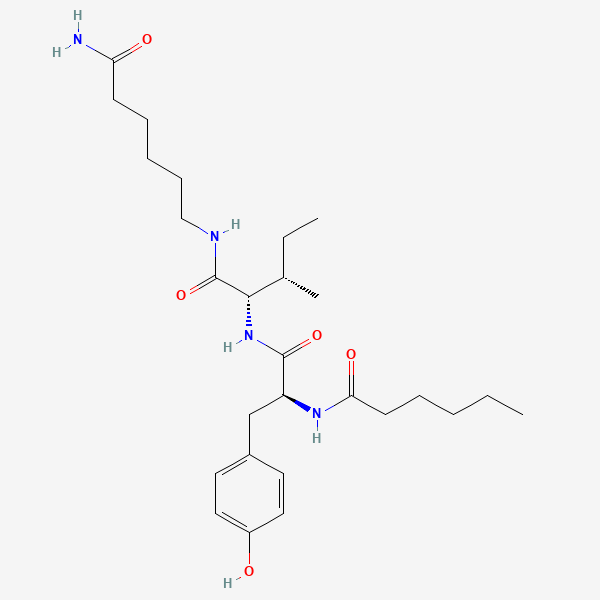
| What it is | A standardized hydrolysate of porcine brain proteins: a mixture of low-molecular-weight peptides and free amino acids, not one molecule. | A defined synthetic angiotensin IV analog with molecular formula C27H44N4O5. |
| Human evidence | Multiple randomized trials in stroke, traumatic brain injury and dementia; the overall results are mixed. | No published human trial and no registered ClinicalTrials.gov study found as of July 16, 2026. |
| Research focus | Clinical neurorecovery after stroke or traumatic brain injury, plus dementia research. | Memory and synaptogenesis in rodent and cell models. |
| Research-integrity record | Cochrane's 2023 stroke review found no mortality benefit and flagged a possible increase in non-fatal serious adverse events. | Two key HGF/c-Met mechanism papers were retracted in April 2025 after a Washington State University investigation found falsified and/or fabricated data. |
| US and international status (2026) | Used as a prescription medicine in more than 50 countries according to its manufacturer, but not FDA-approved. | No approved human use and no FDA-approved product; sold as a research chemical. |
| Studied format | A finished injectable solution; human trials used intravenous or intramuscular administration. | Oral dosing in rodent studies; there is no validated human route or dose. |
- Human evidence: No trial has compared Cerebrolysin with Dihexa directly; this comparison weighs their separate evidence.
Cerebrolysin vs Dihexa: the two molecules
The 2D chemical structures, straight from PubChem — a quick way to see how similar (or not) the two actually are.
Which one fits which goal?
There's no universal winner here — the honest answer depends on what you're after. These picks are framed by goal, and each says why.
Following the human stroke or TBI literature
Leans toward Cerebrolysin
Cerebrolysin has randomized human trials in both areas, although the results are mixed and it is not FDA-approved.
Studying synaptogenesis in a preclinical model
Leans toward Dihexa
Dihexa is a defined molecule built for this research question, but the pick is limited to animal or cell work and its foundational mechanism record now carries retractions.
References
- 1.Cochrane 2023 - Cerebrolysin for acute ischaemic stroke
- 2.CAPTAIN II - randomized Cerebrolysin trial after moderate-to-severe TBI
- 3.April 2025 retraction notice for the Dihexa HGF/c-Met synaptogenesis paper
- 4.April 2025 retraction of Development of Angiotensin IV Analogs as HGF/Met Modifiers
- 5.Drugs@FDA - FDA-approved drug database