Cerebrolysin vs Noopept
Cerebrolysin vs Noopept compares an injectable porcine peptide mixture with an oral small molecule, including evidence, doses, risks, and best-fit goals.
Cerebrolysin vs Noopept is mainly a choice between an injectable porcine-derived neuropeptide mixture with broader but mixed clinical trials and an oral small molecule with narrower controlled evidence. Neither has proven cognitive-enhancement benefits in healthy people, and no trial has tested them head-to-head, so the useful answer depends on route, population, and goal.
What is the core difference?
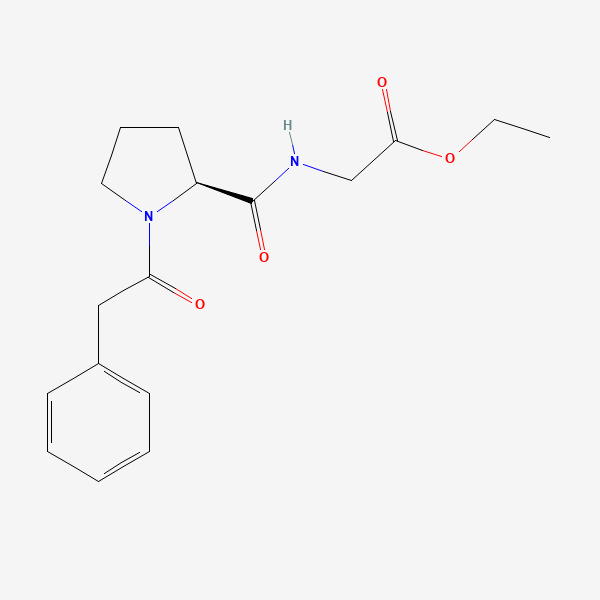
Cerebrolysin is a complex biological preparation used by injection, while Noopept is a defined oral small molecule. Cerebrolysin contains low-molecular-weight neuropeptides and free amino acids produced from purified pig-brain proteins. Noopept, also called omberacetam, is a modified dipeptide derivative designed as a low-dose nootropic. Noopept is not strictly a peptide, despite the name and its placement in peptide discussions.
Cerebrolysin is proposed to imitate neurotrophic signals that help neurons survive stress and form connections. That explanation is supported mainly by cell and animal work; its precise action in the human brain remains unsettled. Noopept is proposed to affect nerve growth factor, brain-derived neurotrophic factor, and glutamate signaling, but those mechanism claims also lean heavily on animal evidence. Similar vocabulary does not make the compounds interchangeable.
Which option has stronger human evidence?
Cerebrolysin has the larger human trial record, but “larger” does not mean consistently positive. Randomized trials have examined Cerebrolysin in stroke, vascular dementia, Alzheimer’s disease, and traumatic brain injury. Some report improvements in functional or cognitive scores, while independent Cochrane reviews describe low-certainty evidence and no clear benefit on major stroke outcomes such as death or long-term dependence. The profile therefore grades Cerebrolysin as human-RCT evidence with a mixed verdict.
Noopept has controlled human evidence in people with mild cognitive impairment caused by vascular disease or head injury. A comparative study found improvements broadly similar to piracetam at a much smaller dose, but the study lacked a placebo arm and the literature has little independent replication. The profile grades Noopept as human-controlled, which is the weaker shared tier used on this page.
No direct trial has compared Cerebrolysin with Noopept. That absence defines the cerebrolysin vs noopept evidence gap. A noopept vs cerebrolysin claim that one is clinically superior would therefore be guesswork. For healthy users seeking sharper focus or memory, both records become much thinner: neither compound has controlled evidence establishing enhancement in an already-healthy brain.
How do route and reported doses differ?
Cerebrolysin requires injection, whereas Noopept is taken by mouth. Cerebrolysin trials commonly report about 10 to 30 mL per day by intravenous infusion over courses of roughly 10 to 20 days; smaller volumes may be given intramuscularly. Noopept studies report 10 mg orally twice daily, sometimes up to 30 mg per day, over roughly one-and-a-half to three months. These are study doses in patient populations, not personal protocols.
Cerebrolysin normally arrives as ready-to-use liquid in ampoules, not freeze-dried powder. The reconstitution calculator explains vial math for injectable peptides, but Cerebrolysin itself does not need reconstitution. Noopept needs neither vial math nor a needle. That route difference is practical, not proof that the easier option works better.
What safety and regulatory differences matter?
Cerebrolysin carries injection-specific burdens that Noopept avoids. Trial reports and approved-country labeling describe injection-site burning or warmth, headache, dizziness, flushing, agitation, and rare hypersensitivity; severe kidney impairment and severe active epilepsy are important cautions. A porcine-derived injectable also makes source quality and sterility more consequential. Long-term safety for healthy nootropic use has not been established.
Noopept’s reported adverse effects are usually milder on paper: irritability, sleep disturbance, headache, occasional allergic reactions, and increased blood pressure in some people who already have hypertension. The gaps still matter. No long-term trial establishes safety in healthy adults, and US research-chemical products do not come with the quality assurance of an FDA-approved medicine.
Cerebrolysin and Noopept are both unapproved by the FDA as of 2026, and neither is a lawful US dietary supplement. Cerebrolysin is an approved prescription drug in multiple other countries but is treated as research-use-only in the United States. Noopept is a prescription medicine in Russia and federally unscheduled in the US, yet US marketing for human use can still raise unapproved-drug issues. Possession status and approval status are not the same thing.
Which compound fits which goal?
Cerebrolysin fits a comparison anchored to neurological rehabilitation research; Noopept fits a comparison anchored to oral convenience and a narrower cognitive-impairment literature. Someone prioritizing randomized trials in stroke, dementia, or brain injury has more relevant material to examine with Cerebrolysin. Someone prioritizing a needle-free format has the clearer practical match in Noopept, while accepting that its human evidence is smaller and does not validate healthy enhancement.
The surrounding comparisons sharpen those boundaries. Cerebrolysin vs Semax keeps the focus on neurorecovery-oriented peptide preparations, while Dihexa vs Noopept compares two compounds discussed more often as experimental cognitive enhancers. The broader nootropic peptide hub shows why evidence drawn from injured or cognitively impaired patients cannot simply be pasted onto healthy users.
So, cerebrolysin or noopept? There is no universal winner. Cerebrolysin has broader, randomized but mixed patient evidence and a much heavier administration burden. Noopept is simpler to take and has some controlled patient data, but less independent support. The honest pick follows the specific goal and the population actually studied. This is educational information, not medical advice.
Cerebrolysin vs Noopept, point by point
Every dimension side by side — the honest differences, not a scoreboard.
| Dimension | Cerebrolysin | Noopept |
|---|---|---|
| What it is | A standardized injectable mixture of low-molecular-weight neuropeptides and free amino acids processed from purified porcine brain proteins. | Omberacetam, a synthetic dipeptide-derived small molecule taken orally; Noopept is not strictly a peptide. |
| Main research setting | Randomized trials in stroke, dementia, traumatic brain injury, and Alzheimer's disease; results are mixed. | Controlled comparative studies in vascular or post-traumatic mild cognitive impairment, plus animal work and anecdotal healthy-user reports. |
| Human evidence | Human RCT evidence with mixed verdicts and concerns about study quality, duration, and manufacturer links. | Human-controlled evidence, including comparison with piracetam, but without a placebo arm and with little independent replication. |
| Route and studied doses | Ready-to-use injection; trials commonly used about 10–30 mL/day by IV infusion for roughly 10–20 days, with smaller volumes given intramuscularly. | Oral; human studies used 10 mg twice daily, sometimes up to 30 mg/day, for roughly one-and-a-half to three months. |
| Healthy-person cognitive enhancement | No controlled trial establishes better memory or focus in healthy people. | No human trial establishes cognitive enhancement in already-healthy adults. |
| US regulatory status (2026) | Not FDA-approved and not a dietary supplement; treated as research-use-only in the US. | Not FDA-approved and not a lawful dietary-supplement ingredient; federally unscheduled and sold as a research chemical or nootropic. |
| Key practical risks | Injection-site reactions, headache, dizziness, flushing, agitation, rare allergy, plus sterility and sourcing concerns for an injectable biological mixture. | Irritability, disturbed sleep, headache, possible blood-pressure increases in people with hypertension, and uncertain product purity. |
- Human evidence: No trial has compared Cerebrolysin and Noopept directly; this page weighs their separate evidence.
- Route and studied doses: These are doses reported in cited studies, not personal dosing instructions or validated healthy-user protocols.
Cerebrolysin vs Noopept: the two molecules
The 2D chemical structures, straight from PubChem — a quick way to see how similar (or not) the two actually are.
Which one fits which goal?
There's no universal winner here — the honest answer depends on what you're after. These picks are framed by goal, and each says why.
Prioritizing randomized clinical evidence in neurological patient populations
Leans toward Cerebrolysin
Cerebrolysin has the broader randomized human record across stroke, dementia, and brain injury, although the results and study quality are mixed.
Prioritizing an oral, needle-free format
Leans toward Noopept
Noopept is taken orally and requires neither an infusion nor an injection, though evidence for healthy-person enhancement is still absent.
Avoiding extrapolation from one patient group to another
Leans toward Cerebrolysin
Cerebrolysin is the better evidence match only when the goal resembles its studied neurorecovery populations; that does not establish routine nootropic benefit.
Wanting the lower-burden research format while accepting thinner evidence
Leans toward Noopept
Noopept's oral format is simpler, but its controlled human literature is narrower and largely does not address healthy users.
References
- 1.Cerebrolysin — indexed research (PubMed, National Library of Medicine)
- 2.Cochrane systematic reviews of Cerebrolysin
- 3.Neznamov & Teleshova, 2009 — Noopept vs piracetam in mild cognitive disorders
- 4.Noopept — indexed research (PubMed, National Library of Medicine)
- 5.FDA — drug approvals and status information