CJC-1295 vs Sermorelin
CJC-1295 vs Sermorelin compared by duration, human evidence, dosing frequency, safety and US status, with honest picks for different goals.
CJC-1295 vs Sermorelin is mainly a duration-and-evidence choice between two GHRH analogs: CJC-1295 with DAC lasts far longer and favors convenience, while short-acting sermorelin has the broader human history and former FDA-approved use. No trial has compared them directly, so this page weighs their separate evidence rather than inventing a winner.
What is the main difference between CJC-1295 and sermorelin?
CJC-1295 and sermorelin press the same biological button, but they keep pressing it for very different lengths of time. Both activate the growth-hormone-releasing hormone (GHRH) receptor on the pituitary, prompting the body to release its own growth hormone. CJC-1295 with DAC adds albumin binding for a signal measured in days; sermorelin is the short-acting GHRH(1-29) fragment.
That shared mechanism makes sermorelin vs CJC-1295 a closer comparison than either peptide versus injected human growth hormone. Neither supplies growth hormone directly. Both ask the pituitary to release more, which then raises insulin-like growth factor 1 (IGF-1). The practical fork is whether the goal favors a prolonged signal or brief stimulation.
The name CJC-1295 also hides a trap. CJC-1295 with DAC has a roughly week-long half-life because it attaches to albumin in the blood. The no-DAC product often called Modified GRF 1-29 clears in minutes. Any cjc 1295 vs sermorelin discussion that fails to say which CJC form it means is comparing a specific peptide with a moving target.
Which lasts longer and needs less-frequent administration?
CJC-1295 with DAC is the duration pick because albumin binding keeps the compound circulating for days, while sermorelin is short-acting. That difference supports less-frequent administration for the DAC form and more frequent administration for sermorelin. No-DAC CJC-1295 belongs on the short-acting side of this comparison, not beside the week-long DAC version.
Duration is not the same as better. A long signal can suit someone comparing for convenience; a short signal can suit someone who values the brief, historically used GH-stimulation pattern of sermorelin. The table treats those as different goals rather than quietly turning convenience into a universal win.
This page does not give a dose-for-dose verdict. The CJC-1295 profile documents a single-dose, weight-based human trial of the DAC form, while the sermorelin profile does not contain a matched, schema-backed study dose. Filling that gap with clinic marketing or community arithmetic would look precise and be less honest. For context on how study dosing differs from personal protocols, see the guide to reading peptide evidence.
Which has better human evidence?
Sermorelin has the broader human record, while CJC-1295 has the cleaner single randomized trial for sustained GH and IGF-1 elevation. Sermorelin reached approved drug use and reliably provoked GH release in controlled human work. CJC-1295’s placebo-controlled trial confirmed its hormonal effect, but did not test muscle gain, fat loss, recovery, or longevity.
The evidence tiers therefore stay mixed by compound and outcome. CJC-1295 earns Human RCT + helped for raising GH and IGF-1, yet remains None in humans for demonstrated muscle gain or fat loss. Sermorelin earns Human controlled + helped for GH stimulation, while its broader anti-aging and body-composition claims are mixed and modest. Our evidence-grading method keeps those claims separate on purpose.
No published trial has directly tested cjc-1295 vs sermorelin. A direct PubMed comparison search does not supply one, so differences here come from each compound’s own studies and regulatory history. That means there is no defensible comparative percentage, response rate, or winner to quote.
How do their US regulatory histories differ?
Sermorelin has the more established regulatory history, but neither peptide is currently an FDA-approved drug in the United States. Geref, a sermorelin product, was formerly FDA-approved and later discontinued; the existing profile notes that FDA did not attribute withdrawal to safety or effectiveness. CJC-1295 has no FDA approval and remains research-use-only.
Modern access does not restore old approval. Sermorelin is now encountered mainly through compounding pharmacies and research channels, and compounding eligibility can change. CJC-1295 sold as “for research use only” is not a prescription product or dietary supplement. The distinction matters because historical approval, current approval, compounding, and research-chemical sale are four different legal buckets. The plain-English guide to research-use-only labeling explains the last one.
Both peptides also fall under WADA’s S2 class and are prohibited at all times for tested athletes. Their shared place in the growth-hormone peptide family does not create a sporting loophole.
Which one fits which goal?
CJC-1295 with DAC fits convenience and prolonged exposure; sermorelin fits the goal of choosing the broader human and former prescription history. Sermorelin also fits a preference for shorter stimulation. CJC-1295 fits the narrower goal of choosing the strongest single randomized trial for sustained hormone elevation. Those are separate wins, not one overall verdict.
For sermorelin or CJC-1295, the outcome being sought matters more than the peptide name. Neither profile proves better recovery, muscle gain, fat loss, or anti-aging results in a direct comparison. Both raise GH-axis safety questions, including injection-site reactions and the downstream effects of raising GH and IGF-1; both also lack long-term human safety data for modern physique or anti-aging use.
The useful answer is therefore conditional. Pick CJC-1295 with DAC when duration is the deciding dimension. Pick sermorelin when established human use, historical drug status, or a short-acting signal matters more. If the real goal is a proven body-composition outcome, this head-to-head cannot honestly supply that proof yet.
CJC-1295 vs Sermorelin, point by point
Every dimension side by side — the honest differences, not a scoreboard.
| Dimension | CJC-1295 | Sermorelin |
|---|---|---|
| Peptide class | A stabilized synthetic analog of GHRH(1-29); the DAC form adds an albumin-binding drug affinity complex. | Synthetic GHRH(1-29), the active 29-amino-acid fragment of human growth-hormone-releasing hormone. |
| Duration | CJC-1295 with DAC binds albumin and has a roughly week-long half-life; the no-DAC form clears in minutes. | Short-acting, with use built around brief stimulation rather than a signal sustained for days. |
| Administration pattern | The DAC form supports less-frequent administration; no-DAC use is reported more frequently. | Its short action has historically meant more frequent subcutaneous administration. |
| Human evidence | One randomized, placebo-controlled trial showed durable increases in GH and IGF-1; physique and recovery outcomes remain unproven. | A broader controlled-human record supports GH stimulation and former diagnostic use; evidence for anti-aging and body-composition outcomes is mixed. |
| US regulatory status (2026) | Research-use-only; not FDA-approved and not a dietary supplement. | Not currently FDA-approved. Geref was formerly approved, then discontinued; sermorelin is now encountered mainly through compounding and research channels. |
| Headline evidence grade | Human RCT + helped for raising GH and IGF-1; none in humans for demonstrated muscle gain or fat loss. | Human controlled + mixed overall; helped for GH stimulation, but modern anti-aging and body-composition claims remain unsettled. |
| Sport status | Prohibited at all times under WADA S2 as a GHRH analog. | Prohibited at all times under WADA S2 as a growth-hormone-releasing factor. |
- Peptide class: Both signal through the pituitary GHRH receptor and raise the body's own growth hormone rather than supplying HGH directly.
- Duration: The DAC distinction matters: no-DAC CJC-1295 is much closer to sermorelin in duration than the long-acting DAC form is.
- Administration pattern: These are comparative patterns, not personal dosing instructions. The source profiles do not provide matched, schema-backed study doses for a dose-for-dose comparison.
- Human evidence: No direct head-to-head trial was found; this comparison weighs separate evidence bases.
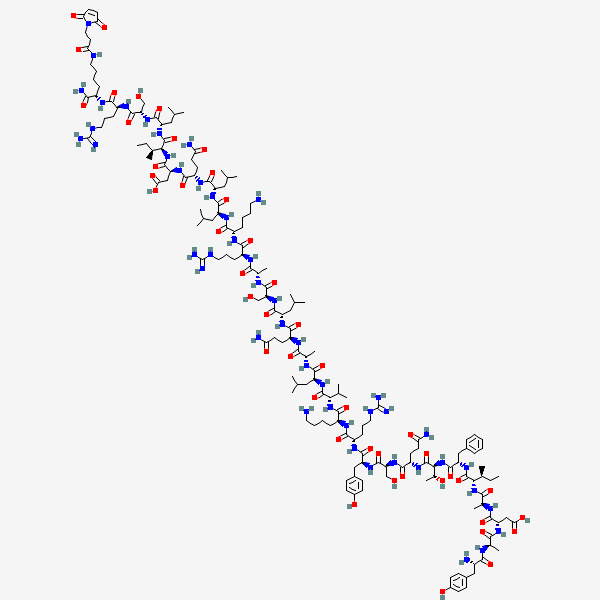
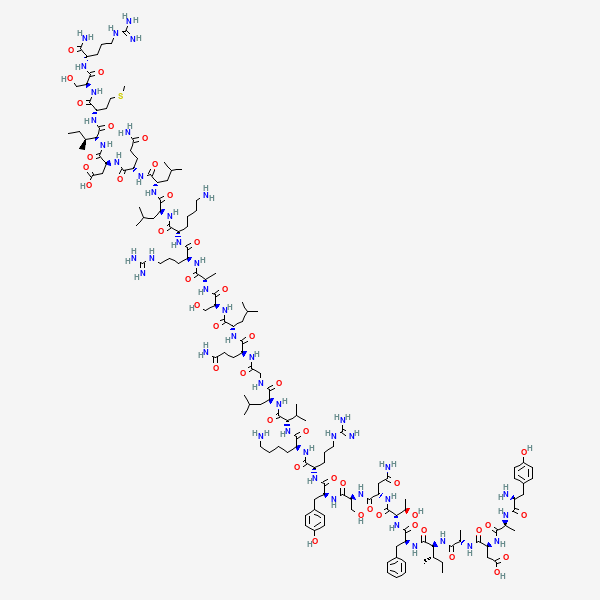
CJC-1295 vs Sermorelin: the two molecules
The 2D chemical structures, straight from PubChem — a quick way to see how similar (or not) the two actually are.
Which one fits which goal?
There's no universal winner here — the honest answer depends on what you're after. These picks are framed by goal, and each says why.
Convenience and the longest duration
Leans toward CJC-1295
CJC-1295 with DAC binds albumin and sustains the GH-axis signal for days, making duration its clearest practical advantage.
The broader established human and clinical history
Leans toward Sermorelin
Sermorelin has controlled human evidence, former FDA-approved diagnostic and therapeutic use, and a longer clinical history than CJC-1295.
A shorter-acting GHRH signal
Leans toward Sermorelin
Sermorelin is short-acting and was used to provoke a pituitary GH response rather than maintain the prolonged exposure created by CJC-1295 with DAC.
The strongest single trial design for sustained GH and IGF-1 elevation
Leans toward CJC-1295
A randomized, double-blind, placebo-controlled human trial directly measured durable GH and IGF-1 increases after CJC-1295 with DAC.