Dulaglutide vs Exenatide
Dulaglutide vs Exenatide: what AWARD-1 found on HbA1c, weight and hypoglycemia, plus theundefinedreality for Trulicity, Byetta and Bydureon.
Dulaglutide vs Exenatide has a direct human trial behind it: AWARD-1 favored once-weekly Dulaglutide 1.5 mg over Exenatideundefinedmcg twice daily for HbA1c, with less total hypoglycemia. That result applies to adults with type 2 diabetes taking metformin plus pioglitazone, not to obesity treatment or weekly exenatide.
What did the AWARD-1 trial actually compare?
AWARD-1 compared weekly dulaglutide with immediate-release exenatide twice daily in 978 adults whose type 2 diabetes remained above target on metformin plus pioglitazone. The 52-week randomized trial used a 26-week primary endpoint and included dulaglutide 1.5 mg, dulaglutide 0.75 mg, exenatide 10 mcg twice daily, and placebo arms.
That setup matters. The exenatide group began at 5 mcg twice daily for four weeks before moving to 10 mcg twice daily, matching the labeled Byetta-style schedule. The trial did not compare dulaglutide with extended-release exenatide once weekly. The AWARD-1 paper is therefore strong direct evidence for Trulicity vs Byetta, but not for every formulation that contains exenatide.
Both compounds earn a human-RCT badge. This is not a comparison assembled from unrelated animal experiments or separate trials with mismatched populations.
Which drug lowered HbA1c more?
Dulaglutide 1.5 mg lowered HbA1c more than exenatide twice daily in AWARD-1. At 26 weeks, the average change from an 8.1% baseline was −1.51 percentage points with dulaglutide 1.5 mg and −0.99 with exenatide. The 0.75 mg dulaglutide arm also did better at −1.30 points.
HbA1c is a rough three-month average of blood sugar, so the 0.52-point gap between the higher dulaglutide dose and exenatide was clinically useful, not merely a cleaner-looking decimal. Both dulaglutide doses remained superior to exenatide at 52 weeks in the published analysis.
The boundary is just as useful as the result: AWARD-1 tested these drugs on top of two specific oral medicines. It does not prove that every person switching from exenatide to dulaglutide will see a 0.52-point improvement, and it says nothing direct about people without diabetes using a GLP-1 drug solely for weight loss.
How different is weekly vs twice daily GLP-1 dosing?
Dulaglutide cuts the scheduled injection count sharply: one injection each week versus two exenatide injections each day before meals. Over the 26-week AWARD-1 primary period, that is roughly 26 scheduled dulaglutide injections against about 364 exenatide injections. The arithmetic is not glamorous, but daily treatment burden rarely is.
The Trulicity label allows dosing at any time of day, with or without food. The current generic exenatide label requires each dose within 60 minutes before the morning and evening meals, or the day’s two main meals at least six hours apart.
Both are ready-to-use prescription pens, not loose research peptide that needs reconstitution. For the biology behind both schedules, see how GLP-1 drugs work and the broader GLP-1 peptide hub.
What happened with weight, hypoglycemia and side effects?
Weight loss was modest with both drugs in AWARD-1, while total hypoglycemia occurred less often with dulaglutide 1.5 mg than with exenatide at both 26 and 52 weeks. No dulaglutide-treated participant reported severe hypoglycemia. That favors dulaglutide within this trial, not across every possible background regimen.
AWARD-1 was not an obesity trial, and neither comparison arm produced the large weight changes now associated with newer obesity-dose incretin drugs. The useful reading is “both moved weight a little,” not “one solved weight management.” Pioglitazone can also push weight upward, which makes this a poor trial from which to promise a stand-alone weight result.
Nausea, vomiting and diarrhea were the main gastrointestinal problems. Dulaglutide carries a boxed warning for thyroid C-cell tumors seen in rodents; human relevance remains unknown. Immediate-release exenatide does not carry that boxed warning, but its label warns about pancreatitis, kidney injury from volume depletion, severe gastrointestinal reactions, gallbladder disease and rare immune-mediated thrombocytopenia. Neither safety profile collapses to “fewer injections.”
Can you still fill exenatide in the United States in 2026?
Generic immediate-release exenatide remains a real US prescription product in 2026, but asking for branded Byetta or Bydureon can lead to a dead end. FDA records show AstraZeneca permanently discontinued marketing Byetta and both weekly Bydureon formulations; approval history and commercial availability are not the same thing.
FDA approved Amneal’s generic exenatide injection in November 2024. DailyMed lists that product under an abbreviated new drug application, with 5 mcg and 10 mcg prefilled pens, active NDC listings, and a label updated in May 2026. A local pharmacy may still need to order it, and insurance formularies vary, so no webpage can promise a same-day fill.
Is dulaglutide vs Bydureon the same comparison?
Dulaglutide vs Bydureon is not the AWARD-1 head-to-head. Bydureon was extended-release exenatide 2 mg once weekly; AWARD-1 used immediate-release exenatide up to 10 mcg twice daily. Treating those formulations as interchangeable would erase the very dosing difference the trial was designed to test.
The distinction is now practical as well as scientific. FDA’s 2025 postmarketing review records permanent withdrawal from sale of original Bydureon in 2021 and AstraZeneca’s 2024 notice that it would permanently discontinue Bydureon BCise. The available generic described above follows the twice-daily immediate-release regimen. For 2026 readers, “dulaglutide vs exenatide” needs a formulation name attached before the comparison means anything.
Which one fits which goal?
Dulaglutide fits the AWARD-1 goals of stronger average HbA1c reduction, fewer scheduled injections and lower total hypoglycemia in that exact treatment setting. Exenatide fits a narrower goal: a shorter-acting, meal-timed GLP-1 option without dulaglutide’s boxed thyroid warning, provided the generic product is locally obtainable.
That is why there is no single winner here. The direct trial favors dulaglutide on its measured diabetes outcomes and convenience, while the label differences and shorter exposure can still matter in an individual prescribing decision. The structured by-goal picks above show the trade-offs without pretending a 2014 trial can choose a medicine for every reader in 2026.
Dulaglutide vs Exenatide, point by point
Every dimension side by side — the honest differences, not a scoreboard.
| Dimension | Dulaglutide | Exenatide |
|---|---|---|
| Drug class | GLP-1 receptor agonist engineered for once-weekly exposure. | GLP-1 receptor agonist based on exendin-4; immediate-release exenatide is taken twice daily. |
| AWARD-1 dose | 1.5 mg once weekly; the trial also included a 0.75 mg weekly arm. | 10 mcg twice daily before meals after a four-week 5 mcg twice-daily lead-in. |
| HbA1c change at 26 weeks | −1.51 percentage points with dulaglutide 1.5 mg. | −0.99 percentage points with exenatide 10 mcg twice daily. |
| Body weight in AWARD-1 | Modest mean loss; AWARD-1 was a diabetes trial, not an obesity trial. | Modest mean loss, with no useful weight-loss separation from dulaglutide 1.5 mg. |
| Hypoglycemia in AWARD-1 | Lower total incidence with dulaglutide 1.5 mg than with exenatide at 26 and 52 weeks. | Higher total incidence than dulaglutide 1.5 mg in this background-therapy setting. |
| Injection burden | One ready-to-use single-dose pen each week, with or without meals. | Two injections each day, within 60 minutes before the two main meals. |
| US availability (2026) | Trulicity remains an FDA-approved prescription product with a March 2026 label. | Branded Byetta and the Bydureon products were discontinued; generic immediate-release exenatide has a current May 2026 US label and listed NDCs. |
- AWARD-1 dose: AWARD-1 tested immediate-release exenatide, the Byetta regimen, not once-weekly Bydureon.
- HbA1c change at 26 weeks: Participants started around 8.1% HbA1c and also took metformin plus pioglitazone.
- Hypoglycemia in AWARD-1: This comparison should not be generalized to every combination of diabetes medicines.
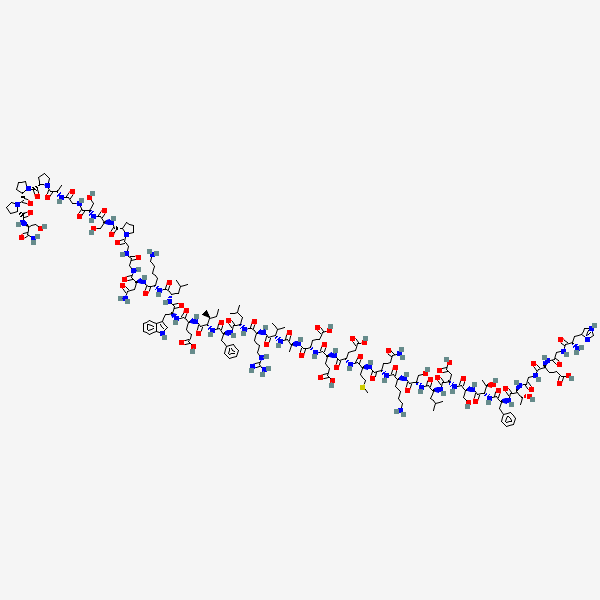
Dulaglutide vs Exenatide: the two molecules
The 2D chemical structures, straight from PubChem — a quick way to see how similar (or not) the two actually are.
Which one fits which goal?
There's no universal winner here — the honest answer depends on what you're after. These picks are framed by goal, and each says why.
Stronger HbA1c reduction on the AWARD-1 regimen
Leans toward Dulaglutide
Dulaglutide 1.5 mg lowered HbA1c by 1.51 percentage points versus 0.99 with exenatide twice daily at 26 weeks.
The fewest scheduled injections
Leans toward Dulaglutide
Once-weekly dulaglutide replaces the two meal-timed injections required each day with immediate-release exenatide.
A shorter-acting, meal-timed GLP-1 option
Leans toward Exenatide
Immediate-release exenatide is specifically dosed before the two main meals and has a much shorter exposure profile than weekly dulaglutide.
Avoiding dulaglutide's boxed thyroid C-cell tumor warning
Leans toward Exenatide
The current immediate-release generic exenatide label has no boxed thyroid-tumor warning, although it carries its own pancreatitis, kidney, gastrointestinal and thrombocytopenia warnings.
References
- 1.AWARD-1: dulaglutide versus exenatide in type 2 diabetes — Wysham et al., Diabetes Care 2014
- 2.Trulicity (dulaglutide) prescribing information
- 3.Generic exenatide injection prescribing information
- 4.FDA 2024 first generic approvals — exenatide injection
- 5.FDA exenatide pediatric postmarketing pharmacovigilance review — US product discontinuations