Epitalon vs Pinealon
How Epitalon and Pinealon compare — what each is, how strong the human evidence is for each, doses reported in research, the key risks, and 2026 US legal status. No universal winner.
Epitalon and Pinealon come up together when people are weighing similar options. Here's the honest side-by-side: what each is, how strong the human evidence is for each, the doses reported in research, the risks, and where each stands with the FDA as of 2026. There's no universal winner — scroll to the by-goal picks for which one fits which goal.
Epitalon vs Pinealon, point by point
Every dimension side by side — the honest differences, not a scoreboard.
| Dimension | Epitalon | Pinealon |
|---|---|---|
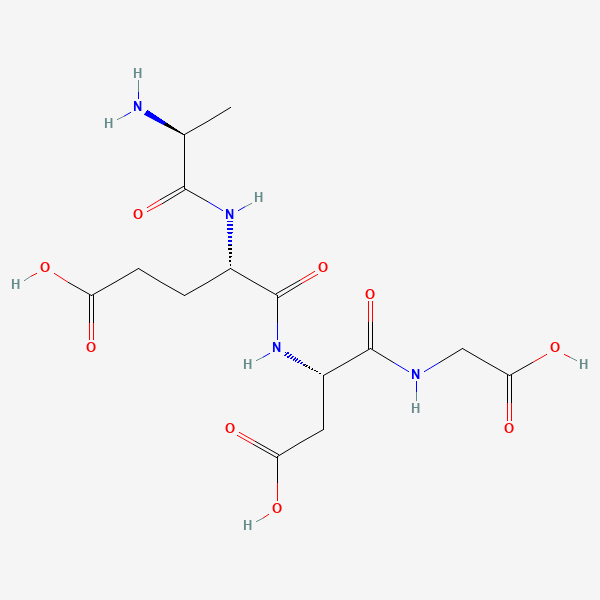
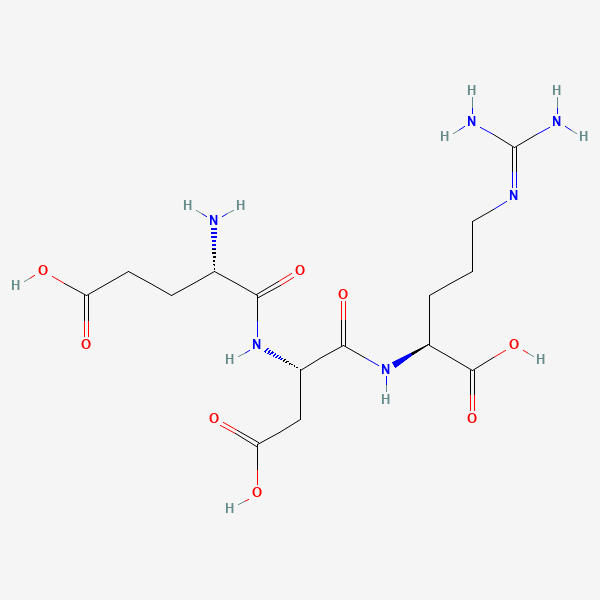
| What it is | Synthetic pineal tetrapeptide (a 4-amino-acid peptide, Ala-Glu-Asp-Gly, modeled on the pineal-gland extract epithalamin) | Synthetic tripeptide and peptide bioregulator composed of glutamic acid, aspartic acid, and arginine |
| Class / category | Longevity / mitochondrial | Longevity / mitochondrial |
| Evidence tier | Animal-only · Unclear · none in humans | Animal-only · Unclear · none in humans |
| Studied / approved for | Anti-aging / lifespan extension; Telomere maintenance; Sleep & circadian regulation | Neuroprotection in oxidative-stress models; Cognitive function in animal models; Cell models of neurodegeneration |
| US regulatory status (2026) | research use only (as of Jul 2026) | research use only (as of Jul 2026) |
| Doses reported in research | No established study doses | No established study doses |
| Registered trials (ClinicalTrials.gov) | 1 | No data |
| Banned in sport (WADA) | Yes — on the WADA prohibited list | Yes — on the WADA prohibited list |
| Key risks | Epitalon's honest safety answer is "we don't really know in humans." No human safety trial of the synthetic peptide has been published, and long-term human data does not exist. Animal studies reported few obvious toxic effects at the small doses used, which is reassuring but not the same as human safety. The bigger real-world risk is the product itself — research-chemical vials vary in purity and sterility. | Pinealon does not have a well-characterized human safety profile. Published cell and animal experiments cannot establish common adverse effects, rare harms, interactions, reproductive safety, or long-term risk in people. Research-use-only products add separate uncertainty about identity, purity, potency, and sterility. |
- Evidence tier: A tier reflects how human the evidence is, not a promise the compound works.
Epitalon vs Pinealon: the two molecules
The 2D chemical structures, straight from PubChem — a quick way to see how similar (or not) the two actually are.
Which one fits which goal?
There's no universal winner here — the honest answer depends on what you're after. These picks are framed by goal, and each says why.
Which one fits your goal
These two overlap enough that the honest call comes down to your specific goal and how much human evidence you want before trying something. Compare the differences in the table above — there's no universal winner here.
References
- 1.Khavinson et al. 2003 — epitalon induces telomerase & telomere elongation in human cells (PubMed)
- 2.Al-dulaimi et al. 2025 — epitalon increases telomere length in human cell lines (PubMed)
- 3.Anisimov et al. 2003 — epitalon, lifespan & tumor incidence in SHR mice (PubMed)
- 4.Khavinson & Morozov 2003 — pineal & thymus peptides (epithalamin) and human life (PubMed)
- 5.Araj et al. 2025 — overview review of epitalon (PubMed)
- 6.Epitalon — registered clinical studies (ClinicalTrials.gov)