Epitalon vs Thymalin
Epitalon vs Thymalin compared: a defined pineal tetrapeptide versus a thymus extract, with honest evidence tiers and by-goal picks.
Epitalon vs Thymalin is a comparison between a defined synthetic pineal tetrapeptide and an undefined thymus-derived peptide fraction, not a contest with one universal winner. No trial has compared them directly; the useful split is Epitalon for telomerase or circadian research and Thymalin for thymic immune restoration, while their evidence tiers remain very different.
What is the real difference between Epitalon and Thymalin?
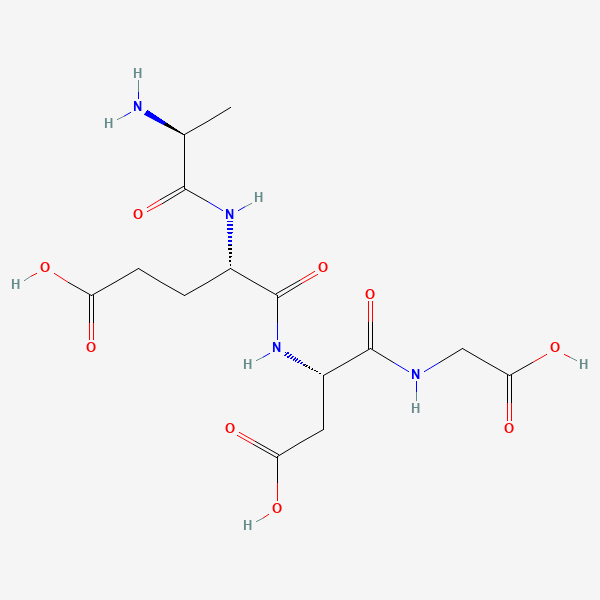
Epitalon and Thymalin differ most clearly in composition, not in a tidy list of promised effects. Epitalon is one synthetic four-amino-acid sequence, Ala-Glu-Asp-Gly (AEDG). Thymalin is a fraction extracted from animal thymus tissue and contains multiple small peptides. One has a fixed chemical identity; the other is a preparation.
That distinction gets lost because both sit under the loose label of Khavinson bioregulators. The label describes a research tradition, not one consistent drug class. Epitalon was designed as a short synthetic counterpart to Epithalamin, a pineal-gland polypeptide extract. Thymalin remained a thymus-derived complex. A pineal vs thymic peptide summary is useful for orientation, but the defined molecule versus tissue fraction distinction determines how reproducibly each material can be characterized.
Were Epitalon and Thymalin studied head to head?
Epitalon and Thymalin have not been compared in a direct trial. The often-cited 2003 Neuro Endocrinology Letters report followed 266 older people who received Thymalin, Epithalamin, or both. The combined groups show that Russian geroprotection researchers studied pineal and thymic preparations together, but the paper did not randomize synthetic Epitalon against Thymalin.
The noun matters. Epithalamin is an animal-derived pineal extract; Epitalon is the defined AEDG tetrapeptide modeled on that extract. The paper reported separate Thymalin and Epithalamin groups plus combination groups, including annual combined treatment. Those results cannot be transferred wholesale to synthetic Epitalon. Calling the study an Epitalon-versus-Thymalin trial would change both the material and the design.
This is the part most epithalon vs thymalin pages miss. The pair was studied together in the broader sense of pineal plus thymic bioregulation, not against each other, and not with the exact Epitalon sold in research vials today. The comparison below therefore weighs separate evidence bases rather than pretending a comparative efficacy result exists.
Which compound has stronger evidence?
Thymalin has the stronger human evidence tier, while Epitalon receives the shared animal-only badge because the comparison must use the weaker profile. Thymalin’s profile is graded human-controlled for immune restoration, with geroprotection marked mixed. Epitalon’s headline longevity claim is animal-only; its best-known telomerase result comes from cultured human cells, which is in-vitro evidence rather than a human treatment outcome.
Thymalin’s advantage needs its own asterisk. Much of the clinical record comes from older Russian studies tied to the originating research network, often before modern expectations for trial registration, reporting, and independent replication. Human-controlled is not the same as independently confirmed.
Epitalon’s human story is narrower than many summaries imply. A current FDA review found a small number of human exposures for circadian-gene, melatonin-metabolite, and retinal questions, but no clinical evidence that synthetic Epitalon extends human life or reproduces the famous Epithalamin mortality findings. For longevity, animal-only remains the honest badge.
Which peptide fits telomerase, circadian, or immune goals?
Epitalon fits telomerase and circadian research; Thymalin fits thymic immune-restoration research. Those are by-goal picks, not treatment recommendations and not proof that either delivers the marketed outcome in a healthy person. The thymalin vs epitalon choice becomes clearer once the research question names a pathway instead of asking which peptide is “better.”
Choose Epitalon as the subject when the question concerns AEDG, telomerase activation in cultured cells, telomere biology, or pineal and circadian signaling. Epitalon’s fixed sequence also makes it the cleaner choice when chemical reproducibility matters.
Choose Thymalin as the subject when the question concerns the historical thymus-derived preparation, T-cell function, weakened cell-mediated immunity, or the older human immunology literature. Readers comparing the fraction with one defined thymic hormone should also see Thymalin versus Thymulin; the names overlap in databases, but the materials do not.
Can their doses or safety records be compared?
Epitalon and Thymalin do not have dose records clean enough for a meaningful efficacy comparison. The Epitalon profile reports community use around 5-10 mg daily for 10-20 days, explicitly labeled anecdotal and unvalidated in a human study. The Thymalin profile confirms intramuscular short-course use but omits a milligram regimen because it lacks a study-linked dose suitable for publication.
Product identity makes the arithmetic less comparable still. Five milligrams of one defined tetrapeptide describes a known molecule. Five milligrams of a thymus fraction describes the total preparation, not a known amount of one active peptide. A neat dose table would create precision the source material does not support.
Safety is similarly uneven. Epitalon lacks long-term human safety data, and FDA says proposed compounded injections may raise immunogenicity and peptide-impurity concerns. Thymalin has a longer clinical-use history abroad, but an animal-tissue-derived mixture adds purification, contamination, allergy, and batch-consistency questions. Neither profile supports calling the compound risk-free.
What is their US regulatory and sport status in 2026?
Epitalon and Thymalin are not FDA-approved drugs in the United States as of July 2026; both profiles classify US availability as research-use-only. FDA also lists Epitalon among nominated compounding substances for which the agency lacks enough safety information. A nomination for compounding review is not approval.
Sport status is not identical. Epitalon’s profile treats the synthetic, non-approved substance as prohibited at all times under WADA S0. Thymalin is not named on the 2026 list, and its profile calls the S0 question ambiguous because Thymalin has prescription approval history in Russia. Tested athletes should verify the exact preparation with their anti-doping authority rather than infer status from the shared “bioregulator” label.
Is there a winner in epitalon vs thymalin?
Epitalon vs Thymalin has no universal winner. Epitalon is the cleaner research material for a defined AEDG, telomerase, or circadian question. Thymalin is the more relevant preparation for thymic immune restoration and carries the stronger, though regionally concentrated, human intervention record. The most defensible conclusion is by goal: structure favors Epitalon; human immune evidence favors Thymalin.
The larger lesson is less glamorous and more useful: keep Epitalon separate from Epithalamin, and keep Thymalin separate from Thymulin. Once the identities stop sliding around, the evidence tiers become much easier to read. The longevity peptide hub places both in the broader field without turning two very different preparations into interchangeable anti-aging products.
Epitalon vs Thymalin, point by point
Every dimension side by side — the honest differences, not a scoreboard.
| Dimension | Epitalon | Thymalin |
|---|---|---|
| Composition | One defined synthetic tetrapeptide: Ala-Glu-Asp-Gly (AEDG). | A thymus-derived polypeptide fraction containing multiple small peptides, not one chemically uniform molecule. |
| Organ and research focus | Pineal and telomere biology: telomerase in cultured cells, plus circadian and melatonin signaling mainly in animals. | Thymic and immune biology: T-cell function, immune restoration, and older geroprotection studies in humans. |
| Headline evidence tier | Animal-only for the headline longevity claim; telomerase evidence is in vitro, and no human longevity trial has tested synthetic Epitalon. | Human-controlled, with mixed geroprotection results and immune-restoration findings concentrated in older Russian research. |
| What the combined human study actually used | The pineal component was Epithalamin, an animal-derived pineal extract, not synthetic Epitalon. | Thymalin was studied alone and together with Epithalamin in the 2003 Khavinson-Morozov geroprotection report. |
| Dose information in the source profiles | Community reports describe 5-10 mg daily for 10-20 days, but the profile labels this anecdotal and not validated in a human study. | Historical use involved intramuscular short courses; the profile omits a milligram regimen because it lacks a study-linked dose suitable for publication. |
| US regulatory status (2026) | Not FDA-approved; sold as research-use-only. FDA lists epitalon among nominated compounding substances with limited safety information. | Not FDA-approved; sold as research-use-only in the US, despite prescription immunomodulator history in Russia. |
| Sport status in the source profiles | Prohibited under WADA S0 as a non-approved substance, according to the Epitalon profile. | Not specifically named; the Thymalin profile calls S0 status ambiguous because of approval history outside the US. |
- Composition: Chemical databases can blur thymalin with thymulin/nonathymulin; the clinical thymalin preparation is better described as a peptide complex.
- Headline evidence tier: The shared comparison badge uses animal-only, the weaker of the two source-profile tiers.
- What the combined human study actually used: That paper studied the preparations together, not Epitalon against Thymalin in a head-to-head trial.
- Dose information in the source profiles: The two dose traditions cannot support an efficacy comparison.
Epitalon vs Thymalin: the two molecules
The 2D chemical structures, straight from PubChem — a quick way to see how similar (or not) the two actually are.
Which one fits which goal?
There's no universal winner here — the honest answer depends on what you're after. These picks are framed by goal, and each says why.
Studying telomerase or circadian signaling
Leans toward Epitalon
Epitalon's defined AEDG sequence is the relevant material for telomerase experiments and pineal/circadian research, although the headline evidence remains preclinical.
Studying thymic immune restoration
Leans toward Thymalin
Thymalin is the preparation with controlled human immune-restoration research and the direct connection to thymic function.
Prioritizing the stronger human intervention record
Leans toward Thymalin
Thymalin's source profile is graded human-controlled, while Epitalon's headline longevity evidence is animal-only.
Prioritizing a chemically defined research material
Leans toward Epitalon
Epitalon is one reproducible four-amino-acid sequence; Thymalin is an animal-tissue-derived peptide fraction whose composition is less specific.
References
- 1.Khavinson and Morozov 2003 - pineal and thymus peptide bioregulators in older adults (PubMed search)
- 2.Epitalon review - defined AEDG tetrapeptide and evidence overview (PubMed search)
- 3.Thymalin - thymus-isolated polypeptide complex and immune-cell research (PubMed search)
- 4.FDA - bulk substances nominated for compounding that may present safety risks
- 5.WADA 2026 Prohibited List