Thymalin vs Thymulin
Thymalin vs Thymulin compares a thymic peptide preparation with a zinc-dependent nonapeptide, including evidence, research focus, and US status.
Thymalin vs Thymulin is first an identity question, not a contest between two spellings. Thymalin is a thymus-derived polypeptide preparation; thymulin is one zinc-dependent nine-amino-acid hormone, also called FTS. No trial has compared them directly, so the useful choice depends on the research goal rather than a universal winner.
What is the difference between thymalin and thymulin?
The difference between thymalin and thymulin starts with composition: thymalin is a fraction containing small peptides extracted from thymus tissue, while thymulin is one defined nonapeptide. That single distinction explains most of the confusion and most of the practical differences in how the compounds are characterized, manufactured, and studied.
Thymalin belongs to the older thymic-preparation tradition associated with Russian bioregulator research. Calling thymalin a single molecule is too tidy. The clinical preparation is better understood as a thymic polypeptide complex, even though chemical databases may index the name under thymulin or nonathymulin. Readers looking for broader background on bioregulators can start at the peptide learning hub, because the requested dedicated bioregulator article is not yet published.
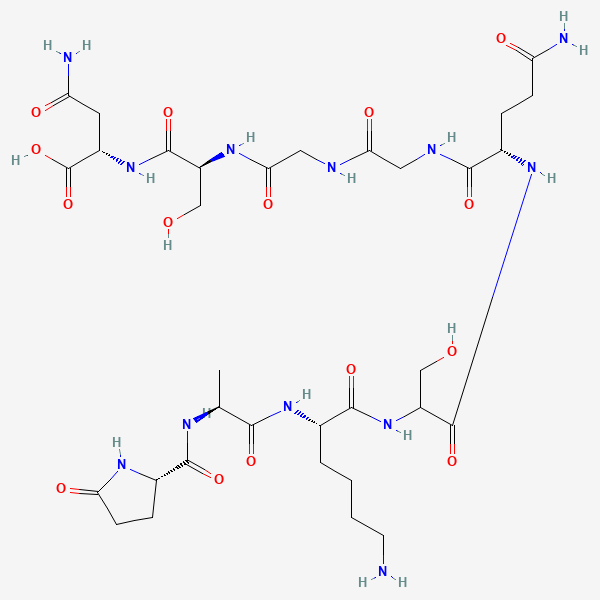
Thymulin, by contrast, has a fixed sequence of nine amino acids and was historically called facteur thymique sérique (FTS), or serum thymic factor. Thymulin becomes biologically active after binding zinc. In plain English: thymalin is the preparation; thymulin is the named signal molecule. Similar names, different identity cards.
How do their immune and aging research goals differ?
Thymalin research centers on restoring cell-mediated immune function and examining healthy-aging outcomes, while thymulin research centers on a specific thymic hormone involved in T-cell maturation and immune signaling. Both attract longevity interest because thymic function declines with age, but the two literatures ask different questions and should not be merged.
Thymalin appears mainly in older Russian clinical work on weakened immune function and geroprotection. The working idea is broad: a thymus-derived peptide fraction may help restore signaling from an aging or impaired thymus. The precise active components and human molecular pathway remain less settled than the clinical label suggests.
Thymulin offers a narrower biological target. The active zinc-thymulin complex helps regulate the maturation and activity of T-cells, the immune cells trained by the thymus. Aging and anti-inflammatory work exists, but the source profile grades those outcomes animal-only. The broader guide to peptides studied for immune support and the immune peptide hub help place both compounds beside better-known immune peptides without pretending that every “thymic peptide” does the same job.
Which peptide has stronger evidence?
Thymalin has the stronger headline evidence tier: human-controlled versus human-observational for thymulin. That does not make thymalin a settled human result. Much of thymalin’s record is older, comes from one Russian research group, and predates current expectations for trial registration, blinding detail, and independent replication. Thymulin’s modern aging and inflammation case leans even more heavily on animal research.
The thymalin literature indexed by PubMed includes human clinical research on immune restoration and aging. The honest grade remains controlled-human evidence with replication limits, not a clean modern randomized-trial base.
The thymulin literature indexed by PubMed establishes the hormone’s biology more clearly than it establishes a benefit from adding thymulin in healthy people. Older clinical observations exist, but the source profile grades the overall compound human-observational and marks its aging and anti-inflammatory outcomes None-in-humans. No direct head-to-head trial settles thymulin vs thymalin; this comparison weighs separate bodies of evidence.
How do doses and product definitions compare?
Neither source profile supports a standardized milligram protocol for this comparison. Thymalin’s clinical history includes intramuscular short courses, but its profile omits a specific dose because no study-linked regimen was strong enough to publish. Thymulin’s profile likewise gives no target dose for healthy-person or research-market use. Filling that gap with vendor copy would be fiction wearing a lab coat.
Product identity matters before dose arithmetic. A mass of a tissue-derived thymalin fraction does not describe the amount of one active molecule in the same way that a mass of defined thymulin does. Thymulin’s zinc dependence adds another variable: the peptide sequence and the biologically active zinc-bound complex are related but not interchangeable descriptions.
The reconstitution calculator can convert a known vial amount and diluent volume into a concentration. The calculator cannot decide whether a label is accurate, whether a preparation matches the research literature, or what dose belongs in the fields. Arithmetic is obedient; product definitions are where the trouble starts.
What are the safety and regulatory differences?
Both compounds are research-use-only and not FDA-approved in the United States as of the July 2026 source reviews. Thymalin adds the purification and batch-consistency questions that come with an animal-tissue-derived mixture. Thymulin is chemically defined, but limited long-term human safety data and an unregulated research market still leave purity, dose accuracy, and sterility unresolved.
Thymalin has a long prescription-use history as an immunomodulator in Russia, which is relevant clinical context but does not create US approval. Thymulin has no approved therapeutic form identified in its source profile. The sport notes also differ: thymalin’s profile calls its WADA S0 status ambiguous because of approval history abroad, while thymulin’s profile treats the non-approved substance as prohibited under S0. Tested athletes should confirm current status with their anti-doping authority.
The closest related identity check is thymalin versus thymosin alpha-1. That comparison separates the same thymalin fraction from thymalfasin, a defined 28-amino-acid peptide with a different clinical record.
Should a research question use thymalin or thymulin?
Thymalin fits a question about the historical thymus-derived fraction, Russian immune-restoration studies, or the stronger of these two human evidence tiers. Thymulin fits a question about one reproducible zinc-dependent hormone, T-cell signaling, or age-related thymulin biology. Neither choice wins every goal, and neither evidence base supports treating the names as synonyms.
The practical rule is simple: define the material before comparing outcomes. The thymalin vs thymulin choice is not merely a product-choice question; it asks whether the experiment concerns a multi-peptide preparation or a specific nonapeptide. Once that is clear, the evidence table and by-goal picks become useful. Until then, even a perfectly calculated dose can describe the wrong compound.
Thymalin vs Thymulin, point by point
Every dimension side by side — the honest differences, not a scoreboard.
| Dimension | Thymalin | Thymulin |
|---|---|---|
| Composition | A thymus-derived polypeptide fraction or preparation containing small peptides; the clinical product is not one single defined molecule. | A specific nine-amino-acid thymic hormone, also called FTS or serum thymic factor. |
| Zinc dependence | The thymalin profile does not define zinc binding as the preparation's identity or activation switch. | Thymulin becomes biologically active when the nonapeptide binds zinc; zinc-thymulin is the active form. |
| Main research focus | Immune restoration and healthy aging in the older Russian clinical literature associated with the Khavinson bioregulator tradition. | T-cell maturation, immune signaling, age-related immune decline, and anti-inflammatory signaling, with later aging work leaning heavily on animals. |
| Evidence grade | Human-controlled overall; immune findings and aging signals come mainly from older Russian studies concentrated in one research group. | Human-observational overall; the aging and anti-inflammatory outcomes in the source profile are animal-only and marked None-in-humans. |
| Dose information in the source profiles | Historical clinical use involved intramuscular short courses, but the profile does not publish a study-linked milligram regimen. | The profile does not give a target dose because older clinical uses do not establish a standardized healthy-person or research-market protocol. |
| US regulatory status (2026) | Not FDA-approved; research-use-only in the United States, with prescription immunomodulator history in Russia. | Not FDA-approved; research-use-only in the United States, with no approved therapeutic form identified in the source profile. |
| Sport status in the source profiles | Not specifically named by WADA; the profile treats its S0 status as ambiguous because thymalin has approval history in some countries. | Not specifically named by WADA; the profile treats it as prohibited under the S0 non-approved-substances category. |
- Composition: Database naming can blur the two: thymalin may be indexed under the thymulin/nonathymulin sequence even though the clinical thymalin preparation is a peptide complex.
- Evidence grade: No trial has compared thymalin and thymulin directly; this table weighs their separate evidence bases.
Thymalin vs Thymulin: the two molecules
The 2D chemical structures, straight from PubChem — a quick way to see how similar (or not) the two actually are.
Which one fits which goal?
There's no universal winner here — the honest answer depends on what you're after. These picks are framed by goal, and each says why.
Studying the older thymic peptide-fraction approach
Leans toward Thymalin
Thymalin is the relevant subject when the research question concerns the animal-thymus-derived preparation and its Russian immune-restoration literature.
Studying one defined zinc-dependent thymic signal
Leans toward Thymulin
Thymulin is a fixed nonapeptide whose active zinc-bound form and role in thymic signaling can be studied as a specific molecule.
Prioritizing the stronger human intervention tier
Leans toward Thymalin
The source profiles grade thymalin as human-controlled and thymulin as human-observational, although thymalin's studies are older and concentrated in one research group.