Exenatide vs Liraglutide
Exenatide vs Liraglutide, using LEAD-6 and DURATION-6 to compare blood sugar, weight, nausea, dosing, and US availability in 2026.
The exenatide vs liraglutide comparison has something most peptide matchups lack: two direct randomized trials. Liraglutide lowered HbA1c more in both, while weight loss was similar in LEAD-6. Weekly exenatide caused fewer gastrointestinal events in DURATION-6. The useful answer depends on the goal, the formulation, and the label—not a universal winner.
What did the LEAD-6 trial find?
The LEAD-6 trial found that once-daily liraglutide lowered HbA1c, a roughly three-month measure of blood sugar, more than twice-daily exenatide after 26 weeks. Among 464 adults with inadequately controlled type 2 diabetes, HbA1c fell by 1.12 percentage points with liraglutide 1.8 mg and 0.79 points with exenatide 10 mcg twice daily (LEAD-6, PMID 19515413).
LEAD-6 also prevents a lazy “more is better at everything” conclusion. Mean weight change was similar: -3.24 kg with liraglutide and -2.87 kg with exenatide. Exenatide controlled glucose after breakfast and dinner better, while liraglutide did more for fasting glucose. Nausea was less persistent with liraglutide, and minor hypoglycemia was less frequent, although background sulfonylurea therapy matters when reading that result.
That makes the Byetta vs Victoza question narrower than many search results imply. Liraglutide won the primary blood-sugar endpoint; exenatide retained a meal-time glucose advantage; weight loss did not separate them. Both exenatide and liraglutide earn a human-RCT evidence badge.
What do the DURATION-6 trial results add?
The DURATION-6 trial results show why the exenatide formulation matters. DURATION-6 compared exenatide 2 mg once weekly with liraglutide 1.8 mg once daily in 912 randomized adults; 911 entered the intention-to-treat analysis. HbA1c fell by 1.28 points with exenatide and 1.48 points with liraglutide (DURATION-6, PMID 23141817).
The study was designed to test whether weekly exenatide was not unacceptably worse than daily liraglutide. Exenatide missed that prespecified non-inferiority test by a small margin. In plain English, the trial could not rule out a clinically meaningful blood-sugar disadvantage under its chosen cutoff. That is more precise than saying liraglutide “won.”
DURATION-6 also flipped the stomach-side-effect story seen with immediate-release exenatide. Nausea occurred in 9% on weekly exenatide versus 21% on liraglutide; diarrhea in 6% versus 13%; vomiting in 4% versus 11%. For Bydureon vs Victoza, weekly dosing and fewer reported gut events favored exenatide, while mean HbA1c reduction favored liraglutide.
How strong is this head-to-head evidence?
The head-to-head evidence is strong enough to compare the tested regimens, but not strong enough to erase context. Both studies were randomized human trials, yet both were open-label: participants and investigators knew which drug they received. Injection frequency makes blinding awkward, but knowledge of treatment can still influence side-effect reporting, discontinuation, and behavior.
Funding deserves daylight too. Novo Nordisk, liraglutide’s manufacturer, funded LEAD-6. Eli Lilly and Amylin, then associated with exenatide, funded DURATION-6. Sponsorship does not cancel a randomized trial; it does mean the protocol, prespecified margin, analysis, and full result pattern deserve more attention than a one-line winner claim.
The clean evidence read is therefore specific: liraglutide produced larger average HbA1c reductions in both direct comparisons. LEAD-6 found similar average weight loss. DURATION-6 found fewer gastrointestinal events with weekly exenatide. Those are human results, not a mechanism dressed up as one. The GLP-1 receptor agonist overview and guide to how GLP-1 drugs work explain the shared biology.
Are Byetta and Bydureon available in the US in 2026?
Exenatide remains a US prescription option as of July 16, 2026, although the brand picture is changing. DailyMed lists Amneal’s twice-daily generic exenatide under an active abbreviated new drug application, with labeling updated in May 2026. DailyMed also lists Bydureon BCise as an extended-release 2 mg weekly product. Saying “exenatide was discontinued” is therefore too broad.
Byetta itself is winding down: AstraZeneca’s branded 5 mcg and 10 mcg NDC entries show marketing end dates in November and December 2026. That is not the same as saying no exenatide can be obtained now, because the generic immediate-release product has no listed marketing end date. Liraglutide remains represented by Victoza, Saxenda, and generic labels. Approval, an active label, pharmacy stock, insurance coverage, and what a specific prescriber uses are separate questions—the paperwork does not promise a box on every shelf.
Which drug fits which goal?
Liraglutide fits the goal of the larger average HbA1c reduction in these two trials and has a labeled chronic-weight-management form. Exenatide fits the goal of weekly rather than daily injections when its extended-release form is the comparison, and DURATION-6 recorded fewer gastrointestinal events with that regimen. Neither result creates a universal winner.
For weight alone, LEAD-6 does not justify crowning liraglutide: the average losses were close and not significantly different. Liraglutide’s separate Saxenda evidence and weight-management label are stronger reasons to choose that by-goal pick. For convenience, “exenatide” is not one schedule: immediate-release means twice daily, while extended-release means weekly. The honest exenatide vs liraglutide answer changes with the formulation, which is precisely why two real head-to-head trials are more useful than one generic comparison table.
Exenatide vs Liraglutide, point by point
Every dimension side by side — the honest differences, not a scoreboard.
| Dimension | Exenatide | Liraglutide |
|---|---|---|
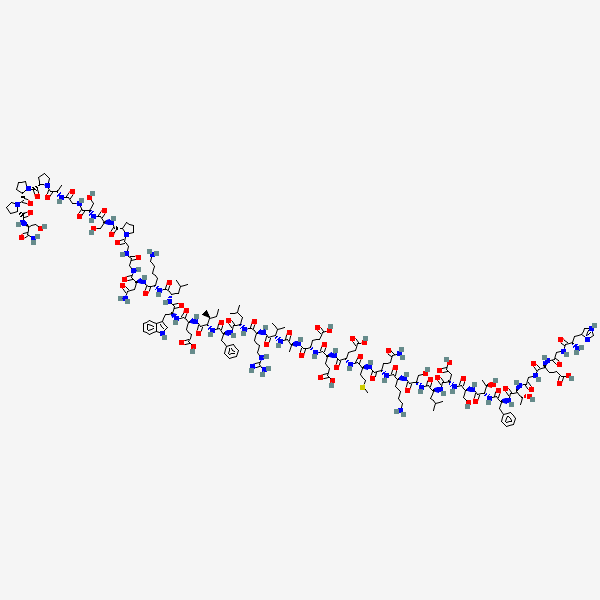
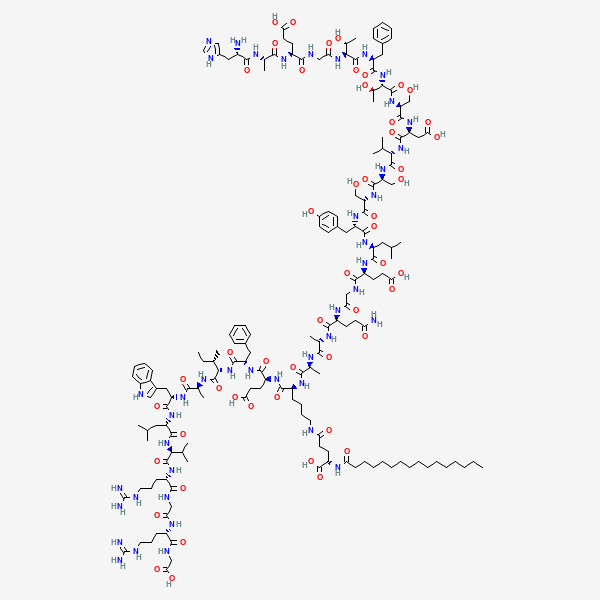
| Peptide design | A 39-amino-acid synthetic copy of exendin-4, originally found in Gila monster venom. | A 31-amino-acid analog of human GLP-1 with a fatty-acid side chain that extends its action. |
| LEAD-6: HbA1c at 26 weeks | Exenatide 10 mcg twice daily lowered HbA1c by 0.79 percentage points. | Liraglutide 1.8 mg once daily lowered HbA1c by 1.12 percentage points. |
| LEAD-6: body weight | Mean change was -2.87 kg. | Mean change was -3.24 kg. |
| DURATION-6: HbA1c at 26 weeks | Once-weekly exenatide 2 mg lowered HbA1c by 1.28 percentage points. | Once-daily liraglutide 1.8 mg lowered HbA1c by 1.48 percentage points. |
| Injection schedule tested | Twice daily in LEAD-6; once weekly in DURATION-6. | Once daily in both trials. |
| US labeled uses | Type 2 diabetes; exenatide does not have a US weight-management indication. | Type 2 diabetes and cardiovascular risk reduction as Victoza; chronic weight management as Saxenda. |
| US availability (July 2026) | Prescription exenatide remains listed: an active generic twice-daily product and Bydureon BCise appear on DailyMed. Branded Byetta NDCs show late-2026 marketing end dates. | Victoza, Saxenda, and multiple generic liraglutide products remain listed on DailyMed. |
- LEAD-6: HbA1c at 26 weeks: LEAD-6 randomized 464 adults with type 2 diabetes; the trial was open-label and funded by Novo Nordisk.
- LEAD-6: body weight: The between-group weight difference was not statistically significant.
- DURATION-6: HbA1c at 26 weeks: The 911-person analysis did not establish exenatide's prespecified non-inferiority; the study was open-label and funded by exenatide's manufacturers.
Exenatide vs Liraglutide: the two molecules
The 2D chemical structures, straight from PubChem — a quick way to see how similar (or not) the two actually are.
Which one fits which goal?
There's no universal winner here — the honest answer depends on what you're after. These picks are framed by goal, and each says why.
Larger average HbA1c reduction in these direct trials
Leans toward Liraglutide
Liraglutide produced the larger mean HbA1c reduction in both LEAD-6 and DURATION-6.
A once-weekly schedule between these two molecules
Leans toward Exenatide
Extended-release exenatide was dosed weekly in DURATION-6; liraglutide is a daily injection.
An FDA-labeled option for chronic weight management
Leans toward Liraglutide
Saxenda is liraglutide labeled for chronic weight management; exenatide is labeled for type 2 diabetes, not weight management.
Lower gastrointestinal-event rates in the weekly-vs-daily trial
Leans toward Exenatide
DURATION-6 reported less nausea, diarrhea, and vomiting with weekly exenatide than with daily liraglutide, despite liraglutide's larger HbA1c reduction.