Exenatide vs Semaglutide
A practical exenatide vs semaglutide comparison of dosing, devices, trial results, FDA uses, side effects, and the better fit for different goals.
Exenatide vs semaglutide is a comparison between two FDA-approved GLP-1 drugs: exenatide offers twice-daily or weekly injections, while semaglutide adds weekly injections and a daily tablet. Direct diabetes-trial data favor semaglutide for blood-sugar and weight reduction, but the sensible pick still depends on indication, format, tolerance, cost, and treatment history.
What is the core difference between exenatide and semaglutide?
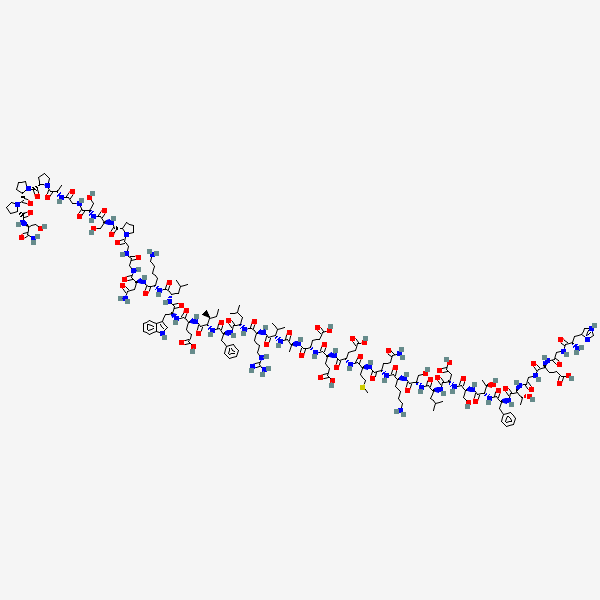
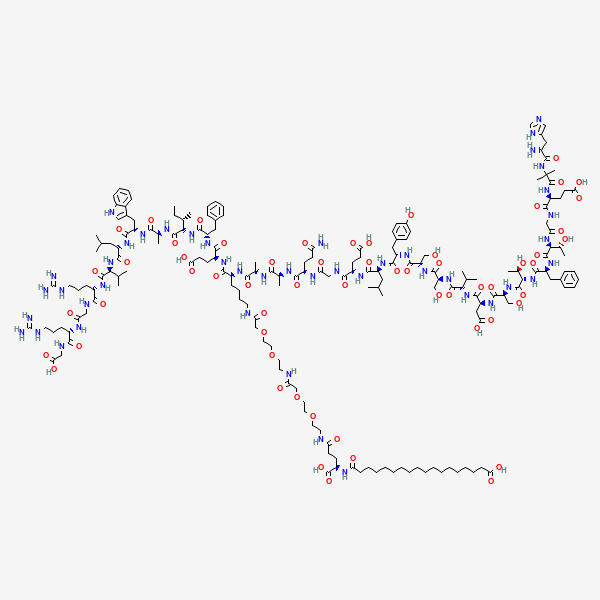
Exenatide and semaglutide activate the same GLP-1 receptor, but they are different peptides built for different staying power. Exenatide is a 39-amino-acid copy of exendin-4, while semaglutide is a 31-amino-acid analog of human GLP-1. Both increase glucose-dependent insulin release, reduce glucagon, slow stomach emptying, and strengthen fullness signals.
The practical split is age and reach. Exenatide opened the GLP-1 era with US approval in 2005. Semaglutide arrived later, lasts about a week, and now has approved products for type 2 diabetes, chronic weight management, and cardiovascular risk reduction. Exenatide remains an effective diabetes drug, but newer options have largely superseded its narrower role.
Does semaglutide work better than exenatide?
Semaglutide produced larger average blood-sugar and weight reductions in the direct SUSTAIN 3 trial. The 56-week, open-label randomized trial assigned 813 adults with type 2 diabetes to semaglutide 1 mg weekly or exenatide extended release 2 mg weekly. HbA1c fell 1.5 percentage points with semaglutide and 0.9 with exenatide; body weight fell 5.6 kg and 1.9 kg, respectively (SUSTAIN 3).
That is unusually useful evidence for an exenatide vs semaglutide decision because the drugs were tested in the same trial. The boundary matters: SUSTAIN 3 studied type 2 diabetes and compared weekly formulations. It was not a trial of twice-daily Byetta vs Ozempic as branded devices, and it did not compare exenatide with Wegovy’s 2.4 mg obesity regimen.
How do dosing frequency and devices compare?
Exenatide asks for either meal-timed injections or a weekly extended-release shot; semaglutide offers weekly injection pens plus a daily tablet. Byetta labeling starts at 5 mcg twice daily before meals and may increase to 10 mcg twice daily after one month. Bydureon BCise delivers 2 mg once weekly by single-dose autoinjector (exenatide labels).
Semaglutide’s Ozempic pen starts at 0.25 mg weekly before stepwise titration, while Wegovy titrates to a 2.4 mg weekly target. Rybelsus is taken by mouth each day (semaglutide labels). Those numbers describe labeled regimens, not interchangeable potency units. The half-life visualizer makes the schedule difference easier to see.
For bydureon vs ozempic, frequency is a tie at once weekly, but the molecules, pens, titration, and approved uses differ. For exenatide vs ozempic more broadly, remember that Ozempic is one semaglutide brand, while exenatide is the generic molecule behind more than one format.
Which one fits weight loss and which fits diabetes?
Semaglutide has the clearer edge when weight management is the main goal; either drug can lower blood sugar in type 2 diabetes. Wegovy is FDA-approved for chronic weight management, and large randomized trials support that use. Exenatide can reduce weight alongside HbA1c in diabetes trials, but exenatide is not approved as a stand-alone weight-loss medicine.
Semaglutide also won the direct weekly diabetes comparison, so the evidence does not leave much mystery about average efficacy. Still, averages do not settle an individual prescription. A person already stable on exenatide, someone who tolerates one drug but not the other, or someone facing different insurance coverage has a different decision from a person starting treatment. That is why this page gives by-goal picks instead of a podium.
Are the side effects and warnings different?
Exenatide and semaglutide share the familiar GLP-1 stomach effects, including nausea, vomiting, diarrhea, and constipation, plus labeled concerns such as pancreatitis. Extended-release exenatide and semaglutide products also carry thyroid C-cell tumor warnings based on rodent findings; human relevance has not been established. Personal or family medullary thyroid cancer and MEN 2 are key label contraindications.
SUSTAIN 3 adds a useful trade-off. Gastrointestinal adverse events were more common with semaglutide, 41.8% versus 33.3%, while injection-site reactions were far more common with exenatide ER, 22.0% versus 1.2%. The overall safety profiles were described as comparable. In plain English: the stronger average effect did not come with fewer stomach complaints, and the extended-release exenatide device had its own local-reaction cost.
Which GLP-1 should you compare by goal?
Semaglutide fits goals centered on larger average trial effects, an approved obesity indication, or an oral option. Exenatide fits the narrower goal of prioritizing the older molecule’s longer US approval history, especially when an established diabetes regimen is already working. Neither statement is a personal prescribing rule, and neither turns one compound into a universal winner.
The brand-name shorthand can blur the question. A byetta vs ozempic search compares twice-daily exenatide with weekly injectable semaglutide; a bydureon vs ozempic search compares two weekly injections. Device preference, coverage, and pharmacy price can move the real-world answer even when trial efficacy favors semaglutide. Use the cost-per-dose calculator with actual quoted prices, then place both drugs in the wider GLP-1 peptide landscape.
Exenatide vs Semaglutide, point by point
Every dimension side by side — the honest differences, not a scoreboard.
| Dimension | Exenatide | Semaglutide |
|---|---|---|
| Drug design | A 39-amino-acid GLP-1 receptor agonist based on exendin-4, a peptide first isolated from Gila monster venom. | A 31-amino-acid GLP-1 receptor agonist based on human GLP-1 and modified for a roughly one-week half-life. |
| Brands and formats | Byetta is the twice-daily form; Bydureon BCise is the once-weekly extended-release form. The exenatide profile notes that the original Byetta brand was discontinued. | Ozempic and Wegovy are once-weekly injections; Rybelsus is a once-daily oral tablet. |
| Labeled dosing | Byetta starts at 5 mcg twice daily and may rise to 10 mcg twice daily after one month; Bydureon is 2 mg once weekly. | Ozempic starts at 0.25 mg weekly before titration; Wegovy titrates to 2.4 mg weekly; Rybelsus is taken daily. |
| FDA-approved uses | Type 2 diabetes as an adjunct to diet and exercise. | Type 2 diabetes, chronic weight management, and cardiovascular risk reduction in labeled populations. |
| Direct head-to-head evidence | In SUSTAIN 3, exenatide extended release 2 mg weekly lowered HbA1c and body weight, but less than semaglutide. | In SUSTAIN 3, semaglutide 1 mg weekly produced larger reductions in HbA1c and body weight over 56 weeks. |
| Device and schedule | A meal-timed prefilled pen for Byetta or a weekly single-dose autoinjector for Bydureon BCise. | Weekly prefilled injection pens for Ozempic or Wegovy, plus a daily tablet option with Rybelsus. |
| Current place in treatment | An older, effective diabetes drug with the longest approval history in this pairing, but a narrower label and generally smaller effects. | A newer GLP-1 drug with broader approved uses and stronger blood-sugar and weight results in the direct diabetes trial. |
- Labeled dosing: Milligram amounts cannot be read as a potency ranking across different molecules and formulations.
- Direct head-to-head evidence: SUSTAIN 3 compared weekly semaglutide with weekly exenatide ER, not twice-daily Byetta or obesity-dose Wegovy.
Exenatide vs Semaglutide: the two molecules
The 2D chemical structures, straight from PubChem — a quick way to see how similar (or not) the two actually are.
Which one fits which goal?
There's no universal winner here — the honest answer depends on what you're after. These picks are framed by goal, and each says why.
Larger average blood-sugar and weight reductions in a direct diabetes trial
Leans toward Semaglutide
SUSTAIN 3 directly favored weekly semaglutide 1 mg over weekly exenatide ER 2 mg on both HbA1c and body weight at 56 weeks.
An FDA-approved medicine specifically for chronic weight management
Leans toward Semaglutide
Wegovy carries a chronic-weight-management indication; exenatide is approved for type 2 diabetes, not as a stand-alone obesity medicine.
Avoiding injections while staying within this two-drug comparison
Leans toward Semaglutide
Rybelsus provides an oral semaglutide option, while exenatide products are injected.
Prioritizing the longer molecule-specific US approval history
Leans toward Exenatide
Exenatide first received FDA approval in 2005, more than a decade before semaglutide. That history does not mean it produces larger effects.