GHK-Cu vs KPV
GHK-Cu vs KPV compares skin and matrix repair with inflammation control, using honest evidence tiers to explain whether both belong in KLOW.
GHK-Cu vs KPV is not a choice between two versions of the same peptide. GHK-Cu carries copper into collagen and extracellular-matrix repair biology; KPV is an alpha-MSH fragment that suppresses inflammatory signaling in cells and mice. For skin and matrix goals, GHK-Cu fits better; for inflammation, KPV fits better. Neither the pairing nor KLOW has clinical-trial proof.
Do GHK-Cu and KPV overlap?
GHK-Cu and KPV overlap only at the broad label of “healing.” GHK-Cu is a copper-binding tripeptide tied to collagen turnover, extracellular-matrix remodeling and redox chemistry. KPV is the last three amino acids of alpha-MSH and is studied as an intracellular brake on inflammation. Same length, different job descriptions.
GHK-Cu works less like a receptor-specific drug and more like a copper courier attached to a repair signal. Copper supports enzymes involved in connective tissue and antioxidant defense, while GHK-Cu also changes fibroblast behavior and the balance of matrix production and breakdown. A detailed skin-regeneration review describes collagen, glycosaminoglycan and matrix-remodeling findings, but much of that mechanistic map comes from cells and animals.
KPV uses a narrower route. In intestinal and immune-cell experiments, the peptide transporter PepT1 carried KPV into cells, where KPV reduced NF-kB and mitogen-activated protein kinase signaling. Oral KPV also reduced inflammation in two mouse colitis models in the same PepT1 study. Human cells in a dish were part of the experiment; human patients were not.
That distinction answers the copper peptide vs kpv question better than calling both “repair peptides.” GHK-Cu addresses the scaffold and the crews rebuilding it. KPV turns down part of the inflammatory alarm. Those functions could coexist, but complementary mechanisms are not evidence that a combination works better.
Which peptide has better evidence?
GHK-Cu has the stronger human evidence, but only for topical cosmetic outcomes and with real caveats. KPV remains animal-only for its headline anti-inflammatory use, with no human intervention trial. The comparison therefore carries the weaker animal-only badge so one shared label does not make KPV look human-proven.
GHK-Cu’s human record is not a clean victory lap. Small cosmetic studies summarized in reviews report improvements in measures such as skin firmness, density and wrinkles. Yet the accessible literature leans heavily on reviews, small samples and product-specific formulations. In a randomized study after carbon-dioxide laser resurfacing, 13 people completed the trial; objective assessments found no significant GHK-Cu benefit for redness, wrinkles or overall skin quality, although patient satisfaction was higher. That mixed result belongs in the comparison because “human data” and “convincing human data” are not synonyms.
KPV has a coherent preclinical story: PepT1 uptake, lower NF-kB signaling and less inflammation in mouse colitis. KPV also has the larger translation gap. ClinicalTrials.gov returned no KPV intervention record during this review, and the FDA says it has identified no human exposure data for drug products containing KPV by any route. That makes KPV the weaker evidence tier even if its mechanism looks tidy on paper.
Do you need both in KLOW?
Nobody can say that both are necessary in KLOW because no trial has tested the pairing or the four-component stack. People searching klow stack peptides are usually looking for one blend that covers more ground. The KLOW stack includes two compounds aimed at different biological problems, but “different” does not automatically mean additive, synergistic or compatible in one vial. The ghk cu kpv combination is a hypothesis assembled from separate studies.
A direct search found no GHK-Cu-versus-KPV comparative trial and no ClinicalTrials.gov record for the combined query. No study establishes that adding KPV improves a GHK-Cu skin outcome, that adding GHK-Cu improves a KPV inflammation outcome, or that either changes the risks of the other. The full KLOW stack has an even wider evidence gap because every additional component adds another interaction that has not been clinically tested.
Route matters too. GHK-Cu’s most established lane is topical skincare. KPV’s best-known efficacy experiments delivered it orally to mice with induced colitis. Injectable versions of both are discussed in research-peptide circles, but neither has an approved injectable dose; FDA specifically flags potential immunogenicity and impurity concerns for compounded injectable GHK-Cu, while reporting no human exposure data for KPV drug products.
The practical answer is to start with the goal, not the stack name. Someone reading about peptides for gut health is asking a different question from someone comparing collagen-focused skincare ingredients. KLOW puts those questions in one acronym. Biology has not yet confirmed that they belong in one protocol.
Which one fits each goal?
GHK-Cu fits skin appearance and extracellular-matrix goals; KPV fits inflammation-focused research, especially the gut models that dominate its literature. GHK-Cu is also the more defensible pick when any human outcome data are required. KPV is the more direct mechanistic pick for inflammation, but that recommendation stops at animal evidence.
For skin texture, collagen remodeling or a topical route, GHK-Cu has the closer evidence match. For NF-kB-driven inflammatory signaling, KPV has the closer mechanism and mouse data. For the strongest evidence overall, neither is backed like an approved therapy, but GHK-Cu sits one rung higher because people have actually been studied.
Searching kpv vs ghk-cu often produces a single winner, a dose chart or a ready-made stack. The honest result is conditional: goal decides the pick, route changes the risk, and evidence tier limits the confidence. The evidence-grading guide explains why a plausible mouse result cannot borrow credibility from a different peptide’s human cosmetic studies. KLOW may be mechanistically broad; clinically, it remains untested.
GHK-Cu vs KPV, point by point
Every dimension side by side — the honest differences, not a scoreboard.
| Dimension | GHK-Cu | KPV |
|---|---|---|
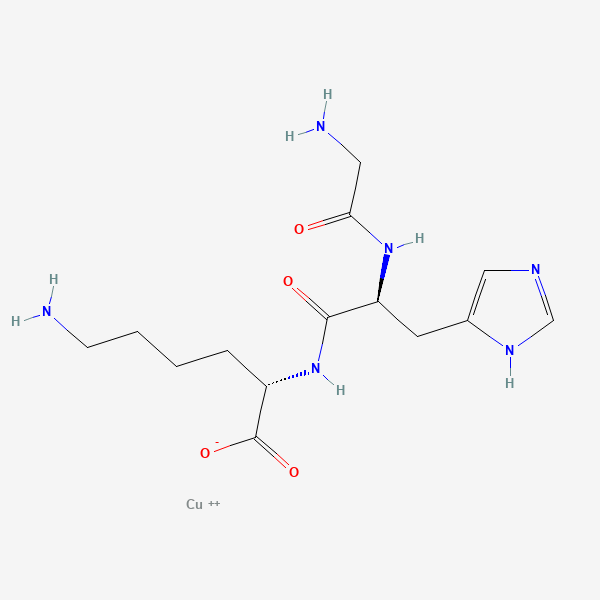
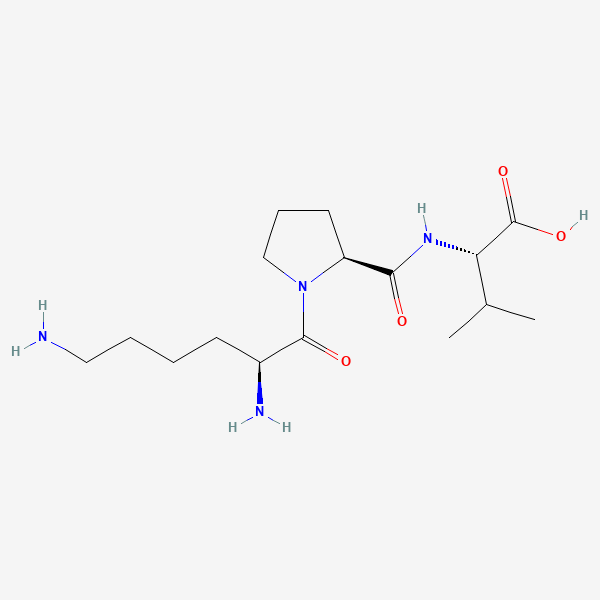
| What it is | A naturally occurring glycyl-histidyl-lysine tripeptide bound to copper(II). | A synthetic Lys-Pro-Val tripeptide copied from the C-terminal end of alpha-MSH. |
| Main mechanism | Carries copper and modulates collagen, elastin, extracellular-matrix remodeling and redox biology. | Enters intestinal and immune cells through PepT1 in preclinical models, then suppresses NF-kB and related inflammatory signaling. |
| Best-evidenced use | Skin appearance and matrix remodeling, supported by cell work and small human cosmetic studies with mixed limitations. | Gut and inflammatory signaling, supported by cultured-cell work and mouse colitis models only. |
| Headline evidence tier | Human-observational for cosmetic skin outcomes; injected use remains thinly studied. | Animal-only, none in humans. FDA says it has identified no human exposure data for KPV drug products by any route. |
| Routes discussed or studied | Most established as a topical cosmetic; injectable research use exists but lacks long-term human safety data. | Oral delivery worked in mouse colitis models; oral, topical and injected human uses remain unvalidated. |
| Human dose evidence | No FDA-approved dose. Cosmetic studies tested formulated creams, not a validated injectable protocol. | No established human dose because no human intervention study has tested KPV. |
| US regulatory reality (2026) | Not FDA-approved as a drug. FDA flags compounded injectable GHK-Cu for potential immunogenicity and peptide-impurity risks. | Not FDA-approved. FDA says human exposure and safety information are absent and is reviewing KPV-related bulk substances for compounding. |
| Evidence for using both | No direct GHK-Cu-versus-KPV trial exists. | No trial has tested the GHK-Cu and KPV pairing or the full KLOW combination. |
- Main mechanism: GHK-Cu is mainly a matrix-remodeling signal; KPV is mainly an anti-inflammatory signal. Their overlap is limited.
- Evidence for using both: This comparison weighs their separate evidence; it cannot establish synergy, compatibility or a combined dose.
GHK-Cu vs KPV: the two molecules
The 2D chemical structures, straight from PubChem — a quick way to see how similar (or not) the two actually are.
Which one fits which goal?
There's no universal winner here — the honest answer depends on what you're after. These picks are framed by goal, and each says why.
Skin appearance, collagen or matrix remodeling
Leans toward GHK-Cu
GHK-Cu directly fits the matrix-remodeling question and has at least limited human cosmetic data, while KPV does not.
Inflammatory signaling, especially gut-focused research
Leans toward KPV
KPV directly targets the PepT1/NF-kB inflammatory pathway studied in mouse colitis, though the evidence is still animal-only and not proof of human benefit.
Choosing the option with some human outcome data
Leans toward GHK-Cu
GHK-Cu has small human cosmetic studies; KPV has no human intervention data. That is a relative evidence advantage, not a universal win.
References
- 1.Pickart et al., 2015 — GHK peptide in skin-regeneration pathways
- 2.Miller et al., 2006 — topical GHK-Cu after carbon-dioxide laser resurfacing
- 3.Dalmasso et al., 2008 — PepT1-mediated KPV uptake in cell and mouse colitis models
- 4.FDA — bulk drug substances that may present significant safety risks
- 5.ClinicalTrials.gov — registry search for GHK-Cu and KPV