GHRP-2 vs Ipamorelin
GHRP-2 vs Ipamorelin compares GH-pulse strength, selectivity, appetite, hormone spillover, evidence, and the better fit for each goal.
GHRP-2 vs Ipamorelin is a trade-off between a harder-driving growth-hormone pulse and cleaner receptor selectivity. GHRP-2 is the stronger-pulse pick but more often brings hunger and prolactin or cortisol spillover; Ipamorelin is the cleaner pick. No trial has compared them directly, so this weighs their separate evidence.
What is the main difference between GHRP-2 and Ipamorelin?
GHRP-2 and Ipamorelin press the same biological button with different amounts of spillover. Both activate the growth-hormone secretagogue receptor, also called the ghrelin receptor, and prompt the pituitary to release the body’s own GH. GHRP-2 is the harder push, with hunger and other hormone changes attached; Ipamorelin was designed to make the GH signal more selective.
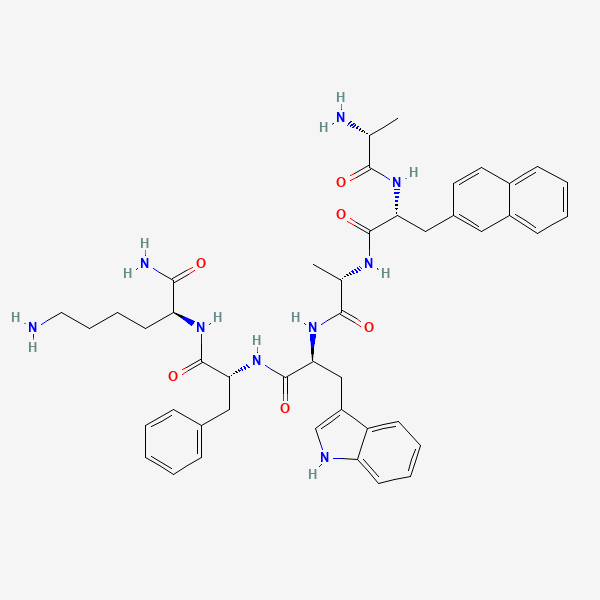
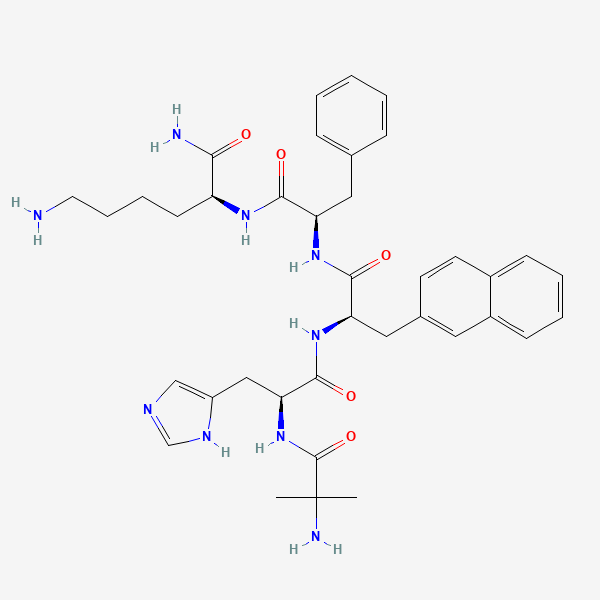
GHRP-2 is a synthetic hexapeptide, meaning a chain of six amino acids. Controlled human work documents a sharp, dose-dependent GH spike and a measurable increase in food intake. Ipamorelin is a five-amino-acid peptide. Human pharmacology also confirms a short-lived GH rise, but Ipamorelin’s calling card is less cortisol, prolactin and adrenocorticotropic hormone (ACTH) activity.
That makes “cleaner” a pharmacology description, not a synonym for safe. Both compounds still raise GH, can produce water retention, headache, flushing or tingling, and lack long-term human safety data for repeated self-administration.
Which peptide is more selective?
Ipamorelin is the more selective choice. Ipamorelin’s published pharmacology and human profile center on a GH pulse without a meaningful rise in cortisol, prolactin or ACTH. GHRP-2 also raises GH reliably, but GHRP-2 carries more of ghrelin’s wider signaling package: hunger is expected, while transient prolactin and cortisol increases can occur.
Selectivity matters when the goal is a cleaner pulse rather than the loudest possible signal. Cortisol is part of the stress-response system; prolactin has roles in reproduction and lactation; ACTH tells the adrenal glands to make cortisol. Pulling those hormones upward is not required to produce a GH pulse, so Ipamorelin’s narrower action is a real distinction.
The catch is evidence scope. Small, short pharmacology studies can show which hormones move after a dose. Those studies cannot establish that months of Ipamorelin use is safer, or that fewer acute hormone changes lead to better sleep, recovery or body composition.
Is GHRP-2 more potent than Ipamorelin?
GHRP-2 is the stronger-pulse pick here, but no honest potency ratio exists. Human studies show GHRP-2 can produce a sharp, dose-dependent GH spike, while human Ipamorelin research shows a clear, short-lived GH rise. No direct head-to-head trial has given matched doses to the same population and compared the GH curves.
That missing trial matters. Separate studies can differ in dose, route, age, baseline hormone status, sampling schedule and laboratory method. Stacking two graphs side by side does not turn them into a controlled comparison. For someone asking “ghrp 2 or ipamorelin for the stronger pulse,” GHRP-2 fits the goal based on its established profile, while the size of the advantage remains unknown.
GHRP-2’s extra punch also comes with a bill: hunger may be strong enough to shape meal timing, and prolactin or cortisol spillover may matter more at higher or more frequent exposure. Ipamorelin trades some of that harder-driving reputation for a narrower hormonal response.
Which is better for bodybuilding goals?
Neither peptide has human trial proof for adding muscle, reducing fat or speeding recovery in healthy lifters. The ghrp-2 vs ipamorelin bodybuilding debate compares two GH-release mechanisms, not two demonstrated physique treatments. GHRP-2 fits the stronger-pulse or appetite goal; Ipamorelin fits the cleaner-pulse goal. That is a by-goal choice, not an overall winner.
GHRP-2 has an unusual practical split. A controlled human study found increased food intake, so appetite support during a difficult bulk has direct human evidence. That finding does not prove better muscle gain. Extra hunger can help someone meet a calorie target, but the peptide has not been shown to convert those calories into more lean tissue.
Ipamorelin attracts lifters who want less hunger and less cortisol or prolactin activity. Reports of improved sleep and recovery remain anecdotal, and no controlled human study has measured those outcomes. The growth-hormone peptide hub places both options beside other secretagogues without turning a hormone pulse into a promised physique result.
How do side effects and long-term unknowns compare?
Ipamorelin has the cleaner acute side-effect profile, while both compounds share the larger long-term unknown: repeated GH and insulin-like growth factor 1 (IGF-1) signaling has not been studied over months or years in healthy self-users. GHRP-2 more often adds hunger plus transient cortisol or prolactin changes; either peptide may bring flushing, headache, water retention or tingling.
GHRP-2 and Ipamorelin are also research chemicals in the United States, not FDA-approved drugs or legal dietary supplements as of 2026. That adds a product risk separate from the molecule: an unregulated vial may have problems with identity, concentration, purity or sterility. Both are growth-hormone secretagogues prohibited at all times in sport under WADA class S2.
Long-term risk cannot be ranked confidently from short studies. A cleaner hormone panel after one dose is useful information, but no direct comparison proves lower rates of glucose problems, cancer-related harm or other chronic outcomes.
How are reported doses and timing compared?
GHRP-2 and Ipamorelin do not have FDA-approved dosing for bodybuilding, recovery or general GH “optimization.” The existing profiles summarize community patterns of about 100 micrograms subcutaneously for GHRP-2 and low hundreds of micrograms for Ipamorelin. Those figures are anecdotal, not clinically validated prescriptions, and they cannot establish equal potency.
Concentration math does not settle the evidence question, but arithmetic errors are still arithmetic errors. The reconstitution calculator converts vial mass and diluent volume into concentration, while the half-life visualizer shows why a short pulse differs from a long, flat exposure. Neither tool recommends a compound or a personal protocol.
For readers searching “ipamorelin vs ghrp-2,” the useful answer stays goal-specific: Ipamorelin for the cleanest, most selective pulse; GHRP-2 for the stronger-pulse profile or documented appetite support. The direct comparative trial that would rank potency, long-term safety and real physique outcomes has not been done.
GHRP-2 vs Ipamorelin, point by point
Every dimension side by side — the honest differences, not a scoreboard.
| Dimension | GHRP-2 | Ipamorelin |
|---|---|---|
| Peptide class | A synthetic six-amino-acid growth-hormone secretagogue and ghrelin-receptor agonist. | A synthetic five-amino-acid growth-hormone secretagogue designed as a selective ghrelin-receptor agonist. |
| Growth-hormone pulse | Controlled human studies document a sharp, dose-dependent GH rise; the profile favors GHRP-2 when a stronger pulse is the goal. | Human pharmacology confirms a clear, short-lived GH rise, with selectivity as the main attraction. |
| Selectivity | Less selective: GH release can come with appetite signaling and transient prolactin or cortisol increases. | More selective: pharmacology studies report GH release without a meaningful cortisol, prolactin or ACTH rise. |
| Appetite | A pronounced hunger signal is documented in controlled human research and may be either useful or disruptive. | Less appetite stimulation is expected from its more selective profile, though direct comparative human evidence is absent. |
| Physique and recovery evidence | No human trial shows muscle gain, fat loss or faster recovery in healthy adults. | No human trial shows muscle gain, fat loss or faster recovery in healthy adults. |
| Commonly reported dose context | Community reports often describe about 100 micrograms subcutaneously; this is anecdotal and not clinically validated. | Community reports describe doses in the low hundreds of micrograms subcutaneously; this is anecdotal and not clinically validated. |
| US regulatory status (2026) | Research-use-only; not FDA-approved and not a legal dietary supplement. | Research-use-only; not FDA-approved and not a legal dietary supplement. |
| Banned in sport | Yes. Growth-hormone secretagogues are prohibited at all times under WADA class S2. | Yes. Growth-hormone secretagogues are prohibited at all times under WADA class S2. |
- Growth-hormone pulse: No direct head-to-head trial establishes a potency ratio; comparing separate studies cannot produce one honestly.
- Physique and recovery evidence: For bodybuilding outcomes, both are mechanistic hypotheses rather than demonstrated treatments.
GHRP-2 vs Ipamorelin: the two molecules
The 2D chemical structures, straight from PubChem — a quick way to see how similar (or not) the two actually are.
Which one fits which goal?
There's no universal winner here — the honest answer depends on what you're after. These picks are framed by goal, and each says why.
Cleanest, most selective GH pulse
Leans toward Ipamorelin
Ipamorelin's defining pharmacology is GH release with minimal cortisol, prolactin and ACTH spillover.
Stronger GH-pulse profile
Leans toward GHRP-2
GHRP-2 has controlled human evidence for a sharp, dose-dependent GH spike, although no direct trial quantifies its potency against ipamorelin.
Appetite support during a bulk
Leans toward GHRP-2
GHRP-2's appetite effect is measured in controlled human research rather than inferred from community reports.
Avoiding a strong hunger signal
Leans toward Ipamorelin
Ipamorelin's more selective receptor profile makes appetite spillover less central to its effect.
References
- 1.GHRP-2 and growth-hormone release — human pharmacology studies (PubMed)
- 2.GHRP-2 and food intake — human studies (PubMed)
- 3.Gobburu et al., 1999 — pharmacokinetic-pharmacodynamic modeling of ipamorelin in human volunteers
- 4.Drugs@FDA — approved drug products database
- 5.USADA — prohibited substances and growth-hormone secretagogues