Ipamorelin vs Macimorelin
How Ipamorelin and Macimorelin compare — what each is, how strong the human evidence is for each, doses reported in research, the key risks, and 2026 US legal status. No universal winner.
Ipamorelin and Macimorelin come up together when people are weighing similar options. Here's the honest side-by-side: what each is, how strong the human evidence is for each, the doses reported in research, the risks, and where each stands with the FDA as of 2026. There's no universal winner — scroll to the by-goal picks for which one fits which goal.
Ipamorelin vs Macimorelin, point by point
Every dimension side by side — the honest differences, not a scoreboard.
| Dimension | Ipamorelin | Macimorelin |
|---|---|---|
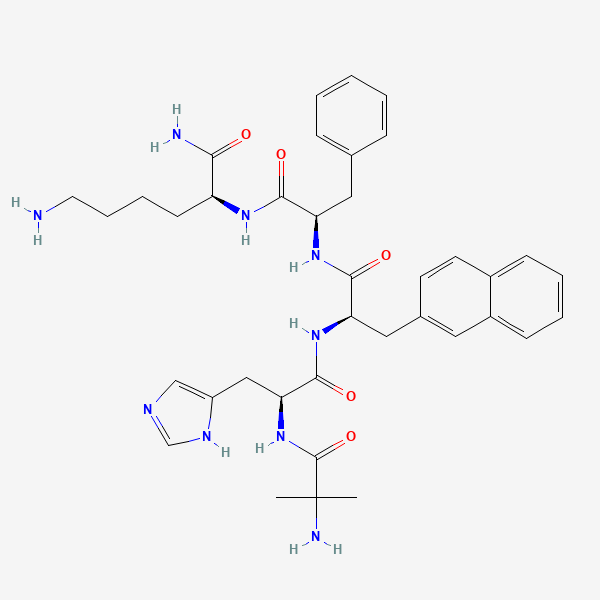
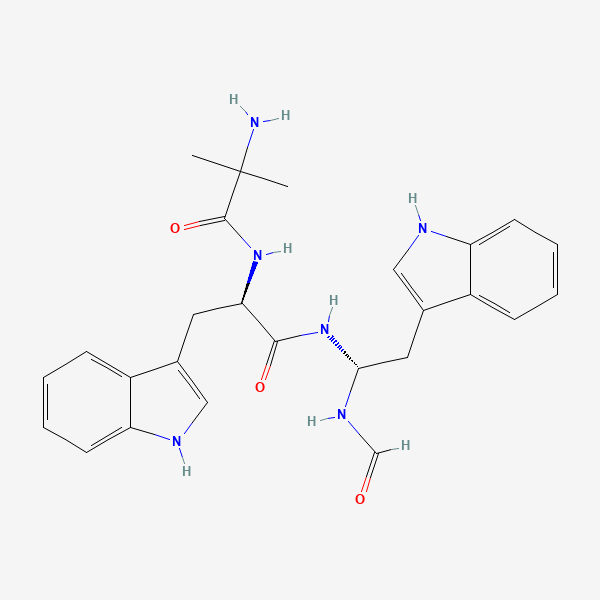
| What it is | Synthetic pentapeptide growth-hormone secretagogue (a selective ghrelin-receptor agonist) | Oral peptidomimetic growth hormone secretagogue receptor agonist (ghrelin receptor agonist) |
| Class / category | GH secretagogues | GH secretagogues |
| Evidence tier | Mechanistic · Unclear · none in humans | Human RCT · Helped |
| Studied / approved for | Growth-hormone (GH) release; Body composition, muscle & recovery; Sleep quality; Post-operative gut recovery (clinical trials) | Diagnosis of adult growth hormone deficiency |
| US regulatory status (2026) | research use only (as of Jul 2026) | fda approved (as of Jul 2026) — approved for Diagnosis of adult growth hormone deficiency |
| Doses reported in research | No established study doses | No established study doses |
| Registered trials (ClinicalTrials.gov) | 3 | No data |
| Banned in sport (WADA) | Yes — on the WADA prohibited list | Yes — on the WADA prohibited list |
| Key risks | Human safety data come mostly from small, short pharmacology studies, where ipamorelin was generally well tolerated — the most common effects were a brief head-rush or warmth, headache, mild water retention and tingling. There is no long-term human safety data, and the main open question is what repeatedly raising growth hormone and IGF-1 does over months and years. | Macimorelin is given once for a supervised diagnostic test, and its short-term adverse-event record is based on human studies. Unpleasant taste, dizziness, headache, fatigue, nausea, and hunger were reported. The main serious warning is QT prolongation, which can trigger a dangerous heart rhythm; interacting drugs can also distort the test result. Long-term carcinogenicity and fertility studies have not been conducted because Macrilen is not labeled for chronic use. |
- Evidence tier: A tier reflects how human the evidence is, not a promise the compound works.
Ipamorelin vs Macimorelin: the two molecules
The 2D chemical structures, straight from PubChem — a quick way to see how similar (or not) the two actually are.
Which one fits which goal?
There's no universal winner here — the honest answer depends on what you're after. These picks are framed by goal, and each says why.
If you want the option with more human evidence behind it
Leans toward Macimorelin
Macimorelin's evidence sits at human rct, a more human tier than Ipamorelin's mechanistic. That reflects how the data was gathered, not a guarantee it works.
If you want an FDA-approved, prescribable option
Leans toward Macimorelin
Macimorelin is FDA-approved (as of Jul 2026); Ipamorelin is research use only in the US, so it isn't available as an approved prescription.
References
- 1.Gobburu et al., 1999 — Pharmacokinetic-pharmacodynamic modeling of ipamorelin in human volunteers (Pharmaceutical Research)
- 2.Ipamorelin — registered clinical studies (ClinicalTrials.gov)
- 3.Ipamorelin — indexed research (PubMed, National Library of Medicine)
- 4.Drugs@FDA — approved drug products database (no ipamorelin product listed)
- 5.WADA Prohibited List — growth-hormone secretagogues (S2), via USADA
- 6.MACRILEN (macimorelin) prescribing information