KPV vs LL-37
KPV vs LL-37 compared by mechanism, gut and skin research, safety, and evidence—plus why antimicrobial and anti-inflammatory are not interchangeable.
KPV vs LL-37 is not a contest between interchangeable gut peptides: LL-37 is a direct antimicrobial with inflammatory effects that depend on context, while KPV is an inflammation-calming tripeptide with no established antimicrobial job. No trial has compared them directly, and neither has human efficacy evidence for the headline uses discussed here.
What is the core difference between KPV and LL-37?
KPV and LL-37 pull different biological levers. KPV is the three-amino-acid C-terminal fragment of alpha-melanocyte-stimulating hormone (alpha-MSH). In intestinal and immune cells, KPV enters through the PepT1 transporter and suppresses NF-kB and MAP kinase inflammatory signaling. In two mouse colitis models, oral KPV reduced inflammatory measures (PubMed).
LL-37 is a 37-residue fragment cleaved from the hCAP-18 precursor encoded by the human CAMP gene. Humans make only this one cathelicidin-derived antimicrobial peptide (PubMed). LL-37 can bind microbial surfaces, disrupt membranes, and influence immune-cell recruitment. That makes the comparison an antimicrobial vs anti-inflammatory peptide decision: one confronts microbes; the other primarily lowers inflammatory signaling.
Has any trial tested KPV against LL-37?
No direct trial has tested KPV against LL-37 in people, animals, or a registered comparative study found in this research run. A PubMed search for both names produced no head-to-head paper. This comparison therefore weighs two separate evidence records rather than pretending a shared complaint creates comparative proof.
KPV earns an Animal-only · Helped · None-in-humans read for mucosal inflammation because the efficacy work is in mouse colitis. LL-37 earns Animal-only · Mixed · None-in-humans for administered antimicrobial use: direct killing is well demonstrated in laboratory systems, but no human trial shows that giving LL-37 treats an infection. Early human studies of topical wound products or tumor injections answer different questions.
Which peptide fits gut or SIBO research?
KPV fits preclinical mucosal-inflammation research; LL-37 fits direct antimicrobial research, but neither has a SIBO treatment evidence base. The phrase kpv ll-37 sibo bundles inflammation, altered microbiota, and bacterial overgrowth into one shopping query. Biology is less tidy. SIBO is a clinical diagnosis, and neither peptide has a human trial showing eradication, symptom improvement, or a validated dose for it.
For readers looking at gut peptides compared, KPV has the cleaner gut-specific experiment: PepT1-mediated uptake plus reduced inflammation in mouse colitis. LL-37 can affect bacteria and biofilms in vitro, yet activity against selected organisms under laboratory conditions does not establish treatment of small-intestinal overgrowth. Stacking both does not fill that gap; there is no human combination trial and no established compatibility or dosing evidence for the pair.
Why can more LL-37 be the wrong move?
LL-37 can defend tissue and inflame it, so “more” is not automatically better. Human rosacea samples showed higher cathelicidin expression than control skin, with the authors linking LL-37 activation to disease biology (PubMed). A small skin-biopsy study also found increased LL-37 alongside plasmacytoid dendritic cells and interferon-alpha in active systemic lupus erythematosus (PubMed).
Those findings do not prove that supplemental LL-37 causes rosacea or lupus. They do show why calling LL-37 a simple “immune booster” misses the important bit: antimicrobial defense and inflammatory signaling share the same molecule. KPV is narrower. KPV’s record centers on calming signaling, not punching holes in microbes, and there is still no controlled human skin trial proving a benefit.
Are KPV and LL-37 approved or established as safe?
Neither KPV nor LL-37 is FDA-approved, and neither has an established human dose for the uses compared here. The FDA page current April 22, 2026 says it found no human exposure data for KPV drug products and lacks enough information to determine whether KPV would harm humans. The same page flags immunogenicity, impurity, and limited safety information for compounded LL-37 (FDA).
KPV also faces a live compounding decision: FDA briefing materials propose that KPV and KPV acetate not be added to the 503A Bulks List, with advisory review scheduled for July 23, 2026. Both compounds remain research-use-only rather than approved medicines. Under the 2026 WADA Prohibited List, athletes should treat non-approved pharmacological substances as prohibited at all times under S0.
Which one is the better research fit by goal?
LL-37 is the by-goal pick for direct antimicrobial or anti-biofilm work; KPV is the pick for preclinical mucosal-inflammation work. There is no universal winner. LL-37 brings the relevant microbial mechanism but also the clearer risk of context-dependent inflammatory and host-cell effects. KPV brings the narrower anti-inflammatory mechanism but no human efficacy or long-term safety record.
The useful ll-37 vs kpv question is therefore not “which is stronger?” It is “which biological job is under study?” That is why kpv vs ll-37 needs a by-goal answer, not a podium. Read the broader primer on what antimicrobial peptides are, then use the immune peptides hub to place both compounds beside other immune-focused research peptides. The evidence badge matters more than the popularity of the stack.
Can KPV and LL-37 be stacked for gut or skin complaints?
KPV and LL-37 are discussed together, but no controlled study establishes that the combination is effective, safe, chemically compatible, or superior to either peptide alone. The theoretical story—LL-37 addresses microbes while KPV limits collateral inflammation—is easy to repeat and has not been tested as a therapeutic stack. Two plausible mechanisms do not quietly become one clinical result.
For gut, skin, or SIBO complaints, the missing information includes human dose, route, timing, interaction, and long-term safety. That is why this page gives separate by-goal research picks instead of a stack recipe. Readers who want to audit those labels can use the site’s evidence-grading guide; both headline uses remain animal-only and None-in-humans.
KPV vs LL-37, point by point
Every dimension side by side — the honest differences, not a scoreboard.
| Dimension | KPV | LL-37 |
|---|---|---|
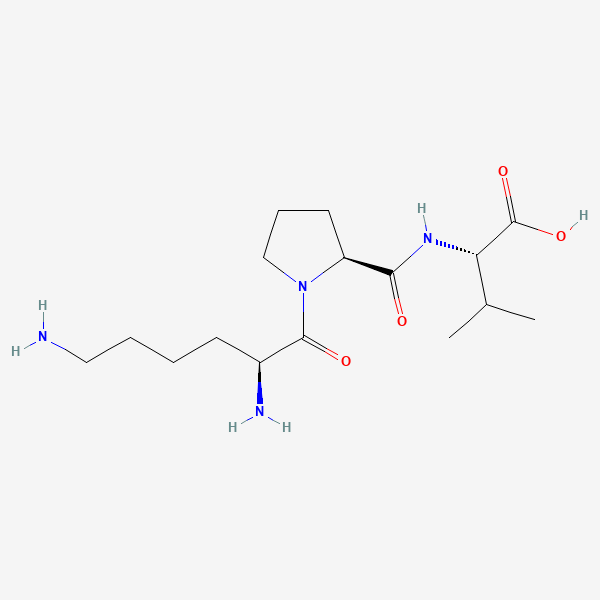
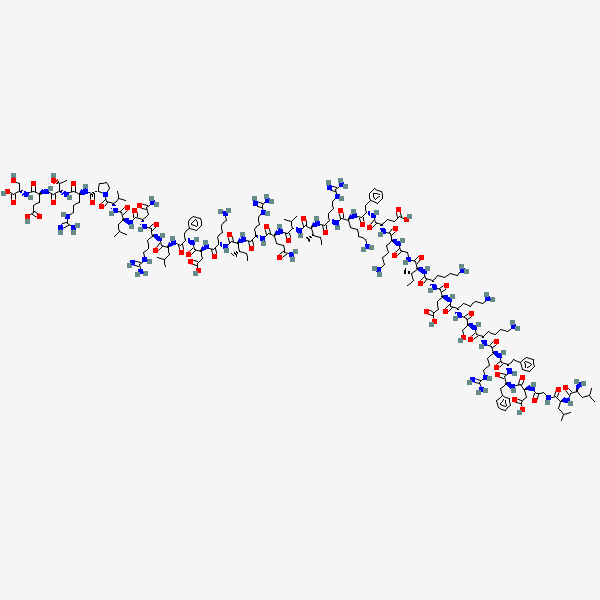
| What it is | A synthetic three-amino-acid peptide, Lys-Pro-Val, taken from the C-terminal end of alpha-MSH. | A 37-amino-acid antimicrobial peptide cleaved from hCAP-18; LL-37 is the only cathelicidin-derived antimicrobial peptide humans make. |
| Primary research job | Turns down inflammatory signaling, including NF-kB and MAP kinase pathways, in cells and mouse models. | Disrupts microbial membranes, inhibits some biofilms, and also signals to immune cells. |
| Gut research | Reduced inflammation in two mouse colitis models; PepT1 transported KPV into intestinal and immune cells. | Has antimicrobial and immune activity in the gut, but no human trial has established supplemental LL-37 for SIBO or another gut infection. |
| Skin context | Studied as an inflammation-calming signal; no controlled human skin trial. | Part of normal skin defense, but elevated cathelicidin/LL-37 activity is implicated in rosacea and lupus skin pathology. |
| Headline-use evidence | Animal-only; None-in-humans for mucosal inflammation. | Animal-only; None-in-humans for use as an administered antimicrobial. Early human work in other local uses does not prove the headline claim. |
| Direct comparison | No head-to-head trial against LL-37. | No head-to-head trial against KPV. |
| Established human dose | None. No human intervention trial has established a dose. | None for antimicrobial, gut, or SIBO use. |
| US regulatory status (2026) | Not FDA-approved; research-use-only. FDA is proposing against adding KPV or KPV acetate to the 503A Bulks List, pending advisory review. | Not FDA-approved; research-use-only. FDA says it lacks enough safety information to know whether compounded LL-37 would harm humans. |
| Banned in sport | Treat as prohibited at all times under WADA S0 for non-approved substances. | Treat as prohibited at all times under WADA S0 for non-approved substances. |
- Primary research job: This is an antimicrobial vs anti-inflammatory peptide comparison, not two versions of the same tool.
- Direct comparison: This page weighs separate evidence; it does not convert two preclinical records into comparative clinical proof.
KPV vs LL-37: the two molecules
The 2D chemical structures, straight from PubChem — a quick way to see how similar (or not) the two actually are.
Which one fits which goal?
There's no universal winner here — the honest answer depends on what you're after. These picks are framed by goal, and each says why.
Direct antimicrobial or anti-biofilm research
Leans toward LL-37
LL-37 directly acts on microbial membranes and has organism-specific laboratory evidence; KPV has no established direct antimicrobial role in this evidence base.
Calming mucosal inflammation in preclinical research
Leans toward KPV
KPV directly reduced inflammatory signaling and disease measures in mouse colitis models, while LL-37 can push inflammation in the wrong direction in some settings.
A simpler, inflammation-focused mechanism
Leans toward KPV
KPV is the narrower anti-inflammatory research tool; LL-37 combines antimicrobial, cytotoxic, and immune-signaling effects that make its response more context-dependent.
References
- 1.PepT1-mediated tripeptide KPV uptake reduces intestinal inflammation (PubMed)
- 2.Activities of LL-37, a cathelin-associated antimicrobial peptide of human neutrophils (PubMed)
- 3.Cathelicidin expression and rosacea pathogenesis (PubMed)
- 4.LL-37 expression in skin in systemic lupus erythematosus (PubMed)
- 5.FDA: bulk drug substances that may present significant safety risks