KPV vs TB-500
KPV vs TB-500 compares an anti-inflammatory alpha-MSH fragment with a tissue-repair peptide, including evidence tiers andundefinedFDA review.
KPV vs TB-500 is not a winner-take-all comparison: KPV is the anti-inflammatory alpha-MSH fragment, while TB-500 is a short Thymosin Beta-4 fragment studied around actin, cell migration, and wound repair. No trial has compared them directly, and neither has completed human efficacy evidence for these uses.
What separates KPV from TB-500?
KPV and TB-500 sit under the same broad “healing peptide” banner, but they are aimed at different parts of the problem. KPV is a three-amino-acid anti-inflammatory signal studied mainly in gut, skin, and immune models. TB-500 is a seven-amino-acid actin-binding fragment studied around how repair cells move and close damaged tissue. One turns down the alarm; the other is discussed as helping the repair crew reach the site.
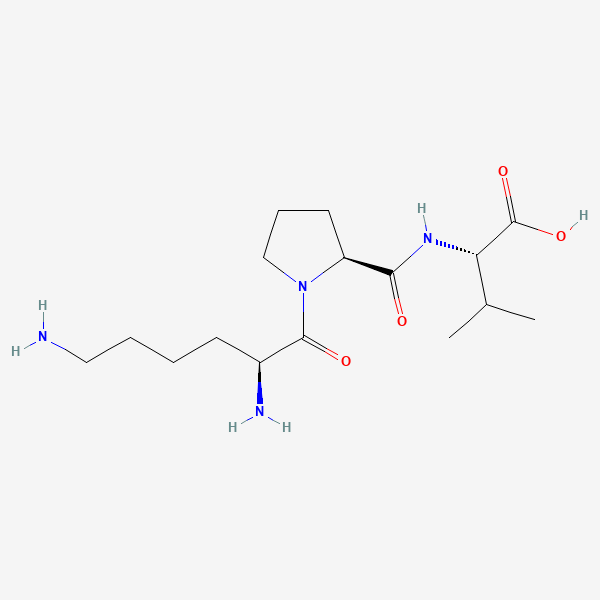
KPV comes from residues 11–13 of alpha-melanocyte-stimulating hormone, or alpha-MSH. In cultured intestinal and immune cells, KPV entered through the PepT1 peptide transporter and reduced NF-kappaB signaling, a switch that controls many inflammatory messages. The same 2008 study gave KPV orally to mice with two forms of experimental colitis and reported less intestinal inflammation (Dalmasso et al.). That supports an inflammation-focused research role, not a human treatment claim.
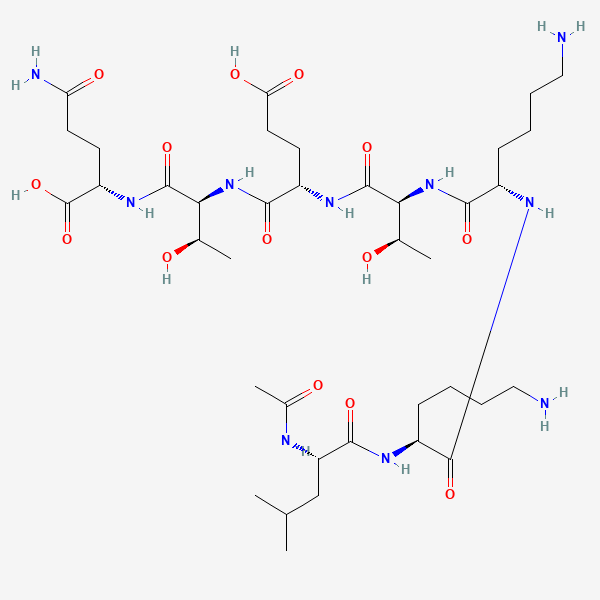
TB-500 is not full thymosin beta-4. TB-500 is the acetylated LKKTETQ fragment corresponding to residues 17–23 of the 43-amino-acid parent protein. That distinction matters because websites routinely borrow human thymosin beta-4 findings and relabel them as TB-500 evidence. FDA’s 2026 review says plainly that the two are different substances.
What does the head-to-head evidence actually show?
The head-to-head evidence shows no head-to-head trial at all; this comparison weighs two separate preclinical records. KPV has human-cell experiments plus mouse colitis studies. TB-500 has analytical, cell, and rodent research, but no completed trial showing that the fragment heals a person. Calling either one human-proven would turn a useful distinction into marketing copy.
The KPV side is the cleaner story. Researchers have repeated anti-inflammatory effects across cells and mouse bowel-inflammation models, although the route, formulation, and disease model vary. FDA’s 2026 KPV briefing still found no clinical study or documented human exposure by any route. “Animal-only” is therefore the right badge, with None in humans stated rather than hidden in the footnotes.
The TB-500 side needs an extra identity check. A 2024 study measured TB-500 and its metabolites in laboratory systems and rats, then tested wound closure in vitro; a shorter metabolite showed activity (Rahaman et al.). FDA’s review found no study in which TB-500 was administered to patients for any disease or condition. The agency also found that TB-500 itself did not close a fibroblast scratch wound in the cited assay, while the shorter metabolite did. That is a useful mechanism lead, not proof of tissue repair in people.
Which peptide fits which research goal?
KPV fits an inflammation-first question; TB-500 fits a cell-migration or wound-repair question. That is the defensible answer to tb-500 vs kpv, not a universal winner. The phrase anti-inflammatory peptide vs healing peptide is imperfect because inflammation and repair overlap, but it captures why the two are compared: they approach one broad goal from different biological directions.
KPV is the more direct pick for a gut-inflammation research question. The existing BPC-157 and KPV gut stack reflects that same inflammation-and-barrier framing, although the combination itself should not be treated as clinically tested. KPV also makes more sense when the question is NF-kappaB signaling rather than structural injury.
TB-500 is the more direct pick for studying actin-related cell movement or wound closure. TB-500 also has the only registered human research program of the pair: NCT07487363 is a Phase 1/2 dose-escalation study in 80 adults with stable atherosclerotic cardiovascular disease. The study measures safety, blood levels, vascular function, and cardiovascular biomarkers. It does not test tendon, muscle, ligament, or wound healing, so its existence does not settle the recovery question.
What do the 2026 FDA reviews mean?
The kpv fda status 2026 and tb-500 503a review stories share one date: FDA’s Pharmacy Compounding Advisory Committee will discuss both on July 23, 2026, under meeting docket FDA-2026-N-2979. KPV is being evaluated for wound healing and inflammatory conditions; TB-500 is being evaluated for wound healing. This is a compounding-list review, not a drug-approval hearing.
FDA’s briefing documents go further than the meeting notice. FDA staff concluded that the evidence weighs against placing either the free base or acetate form of KPV or TB-500 on the Section 503A Bulks List. The committee gives non-binding advice, and FDA makes the final determination after that process. Removal from an earlier administrative category, nomination, committee discussion, or even eventual 503A-list inclusion would not establish FDA approval, human efficacy, or a standard dose.
That distinction gets lost on pages that treat “under FDA review” as a wink toward approval. As of July 16, 2026, neither compound is FDA-approved, neither has a validated human dose for these uses, and neither has completed human efficacy evidence. Regulatory status can move after the meeting; the evidence tier does not move with a committee calendar.
Is either option ready for a human winner label?
Neither option earns a human winner label. KPV has the clearer anti-inflammatory animal story, while TB-500 has the more relevant repair hypothesis and the first registered human study, albeit for cardiovascular biomarkers rather than healing. Unknown human safety, unvalidated dosing, and product-identity problems remain part of both comparisons, not fine print to be edited away.
The practical read on kpv vs tb-500 is by goal and evidence tier: KPV for studying inflammatory signaling, TB-500 for studying cell migration and repair, and neither for a claim that a human trial has already proved. The science is early enough that the most accurate comparison is also the least theatrical one. Two different jobs, two preclinical records, no fabricated champion.
KPV vs TB-500, point by point
Every dimension side by side — the honest differences, not a scoreboard.
| Dimension | KPV | TB-500 |
|---|---|---|
| What it is | A three-amino-acid fragment, Lys-Pro-Val, from the end of alpha-MSH. | A synthetic seven-amino-acid fragment, Ac-LKKTETQ, corresponding to residues 17–23 of thymosin beta-4. |
| Main research job | Turning down inflammatory signaling, especially in gut and immune-cell models. | Supporting actin-related cell migration and wound-repair signaling. |
| Proposed mechanism | Enters cells through peptide transporters such as PepT1 and reduces NF-kappaB-driven inflammatory signaling. | Uses the actin-binding region associated with cell movement; wound-closure findings remain preclinical and may involve shorter metabolites. |
| Headline evidence tier | Animal-only, with supportive cell work; no human efficacy trial. | Animal-only on this site's profile, with cell and rodent work; no completed human efficacy trial for healing. |
| Human research | No clinical study or documented human exposure identified in FDA's 2026 review. | One Phase 1/2 cardiovascular-biomarker trial is underway, but it does not test tendon, muscle, or wound healing. |
| US FDA and 503A status (2026) | Not FDA-approved; KPV free base and acetate go before PCAC on July 23, 2026 for wound healing and inflammatory conditions. | Not FDA-approved; TB-500 free base and acetate go before PCAC on July 23, 2026 for wound healing. |
| Validated human dose | None established. | None established for healing. |
- What it is: TB-500 is not the full 43-amino-acid thymosin beta-4 protein.
- Proposed mechanism: Neither proposed mechanism has been established as an effective treatment mechanism in humans.
- US FDA and 503A status (2026): FDA's briefing documents recommend against adding either to the 503A Bulks List. Committee review or reclassification is not approval.
KPV vs TB-500: the two molecules
The 2D chemical structures, straight from PubChem — a quick way to see how similar (or not) the two actually are.
Which one fits which goal?
There's no universal winner here — the honest answer depends on what you're after. These picks are framed by goal, and each says why.
Studying inflammation-driven gut or skin biology
Leans toward KPV
KPV's preclinical record is centered on inflammatory signaling, with the clearest animal work in mouse colitis models.
Studying cell migration or wound-repair biology
Leans toward TB-500
TB-500 is the actin-binding fragment discussed for cell movement and wound closure, although the evidence remains preclinical.
Following the first registered human research program
Leans toward TB-500
TB-500 has a Phase 1/2 cardiovascular-biomarker study underway; KPV has no registered human intervention study, and neither has human healing proof.
References
- 1.Dalmasso et al. (2008) — PepT1-mediated KPV uptake and mouse colitis
- 2.Rahaman et al. (2024) — TB-500 metabolites and in-vitro wound-healing activity
- 3.FDA briefing document — KPV-related bulk drug substances
- 4.FDA briefing document — TB-500-related bulk drug substances
- 5.FDA Pharmacy Compounding Advisory Committee meeting — July 23–24, 2026