KPV vs Thymosin Alpha-1
KPV vs thymosin alpha-1 compares an animal-only anti-inflammatory peptide with a human-tested immune modulator, including the 2026 FDA picture.
KPV vs thymosin alpha-1 is a goal question, not a quality contest: KPV suppresses inflammatory signaling in cell and animal models, while thymosin alpha-1 coordinates and often activates immune responses in human trials. No trial has compared them directly; this comparison weighs their separate evidence, with KPV as the weaker, animal-only side.
What is the core difference?
KPV is the better mechanistic match for damping inflammation, while thymosin alpha-1 is the better-studied match for restoring or directing an immune response. That sounds like a tidy off-versus-on switch. Biology declines to be that tidy, but the distinction is still useful.
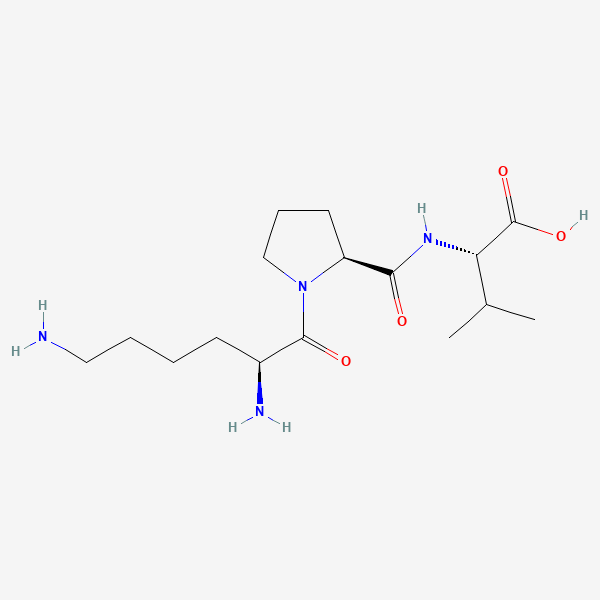
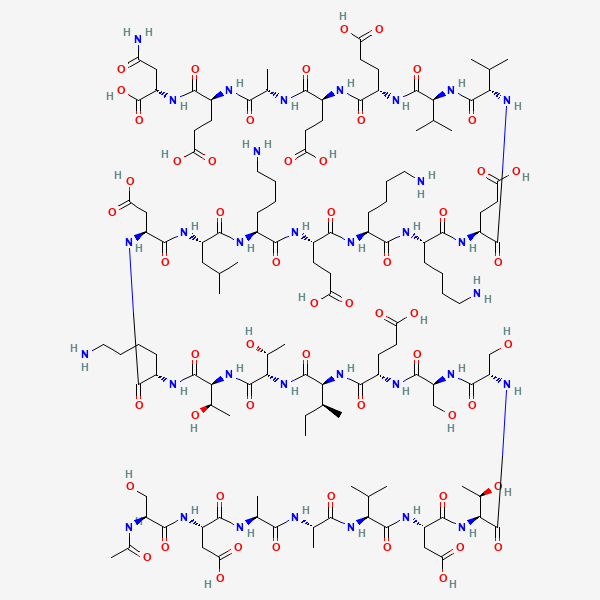
KPV is alpha-melanocyte-stimulating hormone residues 11–13: only lysine, proline, and valine. KPV is studied as a KPV anti-inflammatory signal in mouse colitis, psoriasis-related cell work, and wound models. Thymosin alpha-1 is a 28-amino-acid peptide that affects T-cell maturation, dendritic cells, natural killer cells, and Toll-like-receptor signaling. The broader immune peptides hub gives that family context.
Thymosin alpha-1 can also reduce harmful inflammation in some settings because a better-organized immune response is not necessarily a louder one. Still, anyone comparing thymosin alpha 1 vs KPV should start with the direction of travel: KPV mainly quiets inflammatory output; thymosin alpha-1 mainly improves immune coordination.
How strong is the evidence for each peptide?
KPV has coherent preclinical evidence but no controlled human efficacy trial, whereas thymosin alpha-1 has randomized human evidence with mixed, indication-specific results. Calling both “research peptides” hides a very large evidence gap. One has mouse and cell data; the other has been tested in hundreds of people, sometimes thousands.
KPV earns an animal-only tier for its headline use. The 2003 mouse-peritonitis paper indexed as PMID 12750433 found anti-inflammatory activity that was not blocked by an MC3/4 receptor antagonist. That paper did not establish the familiar NF-κB story by itself. A later intestinal-cell and mouse study showed PepT1-mediated uptake, reduced NF-κB and MAPK activation, lower cytokine secretion, and less severe experimental colitis. The human cells were cultured cell lines, not treated patients.
Thymosin alpha-1 earns a human-RCT tier, but the verdict is mixed rather than universally positive. The 2025 TESTS Phase 3 trial randomized 1,106 adults with sepsis and found no significant reduction in 28-day mortality or secondary outcomes. Human evidence is stronger evidence, not an automatic win.
Which peptide fits gut inflammation better?
KPV is the more direct gut inflammation peptide candidate because its strongest preclinical work follows PepT1 transport into inflamed intestinal and immune cells. For a reader focused specifically on inflammatory bowel signaling rather than broad immune restoration, KPV has the cleaner research rationale. The catch is equally direct: mice are not patients.
The KPV gut story includes two mouse colitis models and cell experiments showing lower inflammatory signaling. That makes KPV a sensible research pick by mechanism, not a clinically established IBD treatment. No human dose can be pulled from those experiments without crossing the species line.
Thymosin alpha-1 has human immune data, yet that does not make it the default answer for every inflamed gut. Thymosin alpha-1 is studied more as an immunomodulator in infection, hepatitis, sepsis, vaccine response, and cancer support. Readers exploring a combination often encounter the BPC-157 and KPV gut stack, but evidence for a stack is not evidence that the ingredients were tested together in people.
Which peptide fits immune restoration better?
Thymosin alpha-1 is the stronger by-goal pick for immune restoration because that is where its mechanism and human trial program actually point. KPV suppresses selected inflammatory pathways; thymosin alpha-1 helps immune cells mature, communicate, and respond. Those jobs overlap, but they are not interchangeable.
Thymosin alpha-1 has been studied in chronic hepatitis, immune suppression, severe infection, and as an adjunct to cancer treatment. The record includes positive smaller studies, international prescription use, and large trials that failed on hard endpoints. That mixture is more informative than a polished “immune support” label because it shows both biological activity and the limits of translating it into clinical outcomes.
KPV may be preferable when excessive inflammatory signaling is the target under study. Thymosin alpha-1 may be preferable when weak or disordered immune response is the target. Active autoimmune disease or deliberate immunosuppression complicates the second goal, since an immune-active peptide is not a neutral add-on.
What changed in the 2026 FDA picture?
KPV faces a live FDA compounding review on July 23, 2026; thymosin alpha-1 does not share that July agenda because FDA already took it through a separate advisory review in 2024. Neither peptide is FDA-approved in the United States, and neither appears in FDA’s May 14, 2026 Category 1, 2, or 3 table.
The July 2026 Federal Register notice says the Pharmacy Compounding Advisory Committee will consider KPV free base and KPV acetate for wound healing and inflammatory conditions under Docket FDA-2025-N-6895. The meeting is pending as of this page’s July 16 review date, so there is no outcome to report yet.
Thymosin alpha-1 followed a different route. FDA’s December 2024 PCAC summary records 17 votes against and four for adding both thymosin alpha-1 free base and acetate to the 503A Bulks List. That was an advisory recommendation, not FDA approval and not permission to describe compounded thymosin alpha-1 as FDA-approved. The regulatory timelines are separate; lumping them together produces a confident-looking mistake.
Is there an overall winner?
There is no overall winner in KPV vs thymosin alpha-1 because the peptides address different research goals and sit on different evidence floors. KPV is the narrower anti-inflammatory candidate with no human efficacy proof. Thymosin alpha-1 is the human-tested immune modulator whose outcomes depend heavily on the condition being studied.
Choose by the question being asked. For gut or skin inflammatory signaling, KPV is the more direct candidate, with the animal-only label kept firmly attached. For immune restoration, infection response, or simply insisting on human trial data, thymosin alpha-1 is the stronger fit. For a person seeking a proven US treatment, neither comparison card supplies one: neither compound is FDA-approved here.
The honest immune peptide comparison therefore ends without a podium. KPV has a focused mechanism awaiting human testing. Thymosin alpha-1 has already reached human trials and shown why “tested” and “works for every immune problem” are two very different claims.
KPV vs Thymosin Alpha-1, point by point
Every dimension side by side — the honest differences, not a scoreboard.
| Dimension | KPV | Thymosin Alpha-1 |
|---|---|---|
| What it is | A three-amino-acid fragment, Lys-Pro-Val, corresponding to alpha-MSH residues 11–13. | A 28-amino-acid thymic peptide, also called thymalfasin and sold abroad as Zadaxin. |
| Primary direction | Damps inflammatory signaling; studied mainly in gut, skin, and wound models. | Modulates and often activates immune coordination involving T cells, dendritic cells, and natural killer cells. |
| Proposed mechanism | Enters cells through the PepT1 peptide transporter and inhibits NF-κB and MAPK inflammatory signaling in cell studies. | Promotes T-cell maturation and immune-cell signaling, including Toll-like-receptor pathways. |
| Headline evidence tier | Animal-only, with supporting cell studies and no controlled human efficacy trial. | Human RCT, with results that vary by indication and include large negative trials. |
| Best-studied settings | Mouse colitis plus cultured intestinal, immune, and skin cells; wound-healing interest remains preclinical. | Human trials in chronic viral hepatitis, sepsis, severe infection, vaccine response, and cancer support. |
| Human research dosing | No established human dose because KPV has no controlled human trial. | The licensed product and many hepatitis studies use 1.6 mg subcutaneously twice weekly; other trial settings used different schedules. |
| US FDA status | Not FDA-approved. KPV free base and acetate are scheduled for PCAC review on July 23, 2026. | Not FDA-approved. PCAC voted 17–4 in December 2024 against adding both free base and acetate to the 503A Bulks List. |
- Primary direction: These are working directions, not simple immune-system off and on switches.
- Headline evidence tier: The shared page badge uses KPV's weaker tier so the comparison never presents KPV as human-proven.
- Human research dosing: Study regimens are reference information, not a personal protocol.
- US FDA status: Neither appears in FDA's Category 1, 2, or 3 table updated May 14, 2026; an advisory vote is not a final approval rule.
KPV vs Thymosin Alpha-1: the two molecules
The 2D chemical structures, straight from PubChem — a quick way to see how similar (or not) the two actually are.
Which one fits which goal?
There's no universal winner here — the honest answer depends on what you're after. These picks are framed by goal, and each says why.
Studying gut or skin inflammatory signaling
Leans toward KPV
KPV is the more direct mechanistic fit because its preclinical program centers on PepT1 uptake and suppression of NF-κB-driven inflammation.
Prioritizing human clinical evidence
Leans toward Thymosin Alpha-1
Thymosin alpha-1 has randomized human trials and an international prescription history; KPV does not yet have a controlled human efficacy trial.
Studying immune restoration or infection response
Leans toward Thymosin Alpha-1
Its research directly examines T-cell function, immune suppression, hepatitis, and severe infection rather than primarily suppressing inflammatory output.
References
- 1.Getting et al. — KPV anti-inflammatory mechanism in mouse peritonitis (PMID 12750433)
- 2.PepT1-mediated KPV uptake reduces intestinal inflammation (PMC2431115)
- 3.TESTS Phase 3 trial of thymosin alpha-1 for sepsis
- 4.FDA notice for the July 23–24, 2026 Pharmacy Compounding Advisory Committee meeting
- 5.FDA summary minutes — December 4, 2024 Pharmacy Compounding Advisory Committee meeting