Lactoferrin vs LL-37
How Lactoferrin and LL-37 compare — what each is, how strong the human evidence is for each, doses reported in research, the key risks, and 2026 US legal status. No universal winner.
Lactoferrin and LL-37 come up together when people are weighing similar options. Here's the honest side-by-side: what each is, how strong the human evidence is for each, the doses reported in research, the risks, and where each stands with the FDA as of 2026. There's no universal winner — scroll to the by-goal picks for which one fits which goal.
Lactoferrin vs LL-37, point by point
Every dimension side by side — the honest differences, not a scoreboard.
| Dimension | Lactoferrin | LL-37 |
|---|---|---|
| What it is | Approximately 80 kDa iron-binding milk glycoprotein in the transferrin family | Endogenous human antimicrobial peptide — the 37-amino-acid C-terminal fragment of hCAP-18, the only cathelicidin humans make |
| Class / category | Immune / antimicrobial | Immune / antimicrobial |
| Evidence tier | Human RCT · Mixed | Animal-only · Mixed · none in humans |
| Studied / approved for | Iron-deficiency anemia; Respiratory infection prevention; Inflammation and immune-function biomarkers | Antimicrobial / anti-biofilm therapy; Chronic / hard-to-heal wounds (topical); Cancer immunotherapy (intratumoral, melanoma); Inflammatory skin conditions |
| US regulatory status (2026) | unscheduled (as of Jul 2026) | research use only (as of Jul 2026) |
| Doses reported in research | No established study doses | No established study doses |
| Registered trials (ClinicalTrials.gov) | No data | 20 |
| Banned in sport (WADA) | Unknown | Yes — on the WADA prohibited list |
| Key risks | Short oral trials suggest lactoferrin is generally well tolerated, but large long-term safety trials are lacking. A 28-day randomized trial in 66 healthy adults found no excess adverse events with recombinant human lactoferrin up to 3.4 g/day, although the study was industry-linked and focused on immunogenicity. Bovine and milk-derived products can pose a serious risk to people with cow's- milk protein allergy, and supplement quality is not equivalent to drug review. | Human safety data for supplemental LL-37 are limited to a few small early trials (a topical wound cream, tumor injections). LL-37 is a natural part of human immunity, but "your body makes it" is not the same as "injecting extra is safe": at higher concentrations LL-37 is cytotoxic to host cells (it can rupture red blood cells in the lab) and is implicated in driving inflammation in conditions such as psoriasis and rosacea. There is no long-term human safety data for LL-37 used this way, and the research-chemical supply is unregulated. |
- Evidence tier: A tier reflects how human the evidence is, not a promise the compound works.
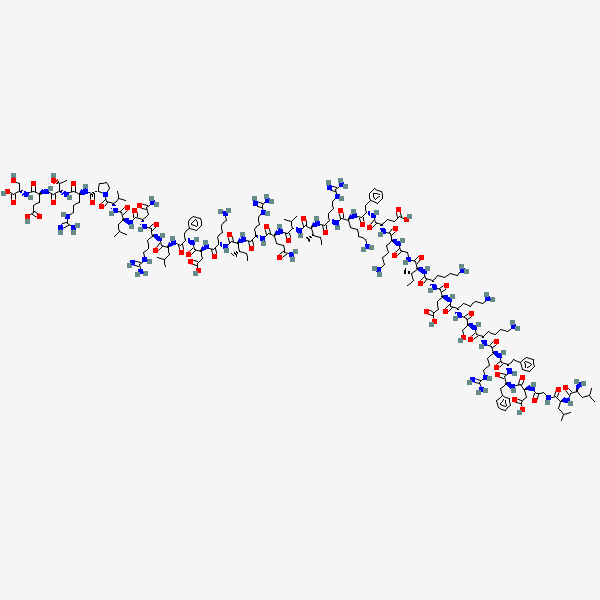
Lactoferrin vs LL-37: the two molecules
The 2D chemical structures, straight from PubChem — a quick way to see how similar (or not) the two actually are.
Which one fits which goal?
There's no universal winner here — the honest answer depends on what you're after. These picks are framed by goal, and each says why.
If you want the option with more human evidence behind it
Leans toward Lactoferrin
Lactoferrin's evidence sits at human rct, a more human tier than LL-37's animal-only. That reflects how the data was gathered, not a guarantee it works.
References
- 1.Peterson et al., 2025 — randomized lactoferrin safety and immunogenicity trial (PMID 39465888)
- 2.Zhao et al., 2022 — lactoferrin versus ferrous sulfate meta-analysis
- 3.Effect of lactoferrin on inflammation, immune function, and respiratory infections
- 4.UniProt P02788 — human lactotransferrin
- 5.FDA recall of a lactoferrin dietary supplement for undeclared milk
- 6.NIH ODS — background information on dietary supplements