Liraglutide vs Semaglutide
A liraglutide vs semaglutide comparison of dosing, brands, weight-loss trials, side effects and goals, without pretending one drug wins for everyone.
The liraglutide vs semaglutide choice usually comes down to schedule, expected average weight loss, and format: liraglutide is a daily injection, while semaglutide is weekly and also has an oral diabetes option. Both are FDA-approved GLP-1 drugs with human randomized-trial evidence; neither is the best choice for every goal.
What is the main difference between liraglutide and semaglutide?
Liraglutide and semaglutide switch on the same GLP-1 receptor, but semaglutide remains active much longer. Liraglutide has a roughly 13-hour half-life and is injected every day. Semaglutide has a roughly one-week half-life, allowing weekly injection. That calendar difference is not cosmetic: it changes how often someone handles a pen, remembers a dose, and moves through titration.
Liraglutide is sold as Victoza for type 2 diabetes and Saxenda for chronic weight management. Semaglutide is sold as Ozempic for type 2 diabetes and Wegovy for chronic weight management; Rybelsus supplies the oral option for type 2 diabetes. The Victoza vs Ozempic question therefore compares two diabetes brands, while Saxenda vs Wegovy compares the weight-management products. Brand names are not interchangeable with the molecule or indication.
Both compounds mimic GLP-1, a gut hormone that helps the pancreas release insulin when glucose is high, reduces glucagon, slows stomach emptying, and dampens appetite. The GLP-1 peptide hub puts both drugs beside newer single- and multi-receptor options.
Which produces more weight loss in trials?
Semaglutide produced the larger average reduction in the obesity trials used here. For liraglutide vs semaglutide weight loss, Saxenda-dose liraglutide averaged roughly 8% body-weight reduction in its pivotal program, while Wegovy-dose semaglutide averaged roughly 15% in STEP 1. Those rounded results came from separate programs, so reading them as a perfect head-to-head score would be too tidy.
The comparison does have direct evidence. STEP 8 randomized adults with overweight or obesity, without diabetes, to weekly semaglutide 2.4 mg, daily liraglutide 3.0 mg, or placebo and favored semaglutide for mean weight reduction. That supports the same direction seen across the separate programs without pretending every patient will match an average.
Trial context still matters. Treatment duration, discontinuation, lifestyle support, diabetes status, and starting weight can all move the number. The peptides for weight loss guide explains how to read these averages without turning population data into a personal forecast.
How do dosing and titration compare?
Liraglutide uses a daily step-up schedule; injectable semaglutide uses a weekly one. Saxenda starts at 0.6 mg daily and escalates weekly toward 3.0 mg daily. Wegovy also starts low and escalates over months toward 2.4 mg weekly. Victoza and Ozempic use lower product-specific schedules for type 2 diabetes. These are label and study doses, not a personal protocol.
Liraglutide’s daily rhythm offers frequent, established dose steps and a shorter-acting drug. That may suit someone whose clinician prefers a familiar daily titration routine. Semaglutide cuts injections from seven per week to one, a clear convenience advantage for someone who dislikes needles or forgets daily medication.
Semaglutide also changes the format question. Rybelsus is swallowed daily on an empty stomach under specific label instructions, so “oral” does not mean schedule-free. There is no FDA-approved oral liraglutide product. Someone choosing liraglutide or semaglutide is therefore choosing among distinct products, indications, schedules, and administration rules—not merely two names on the same shelf.
Are the side effects and warnings different?
Liraglutide and semaglutide share the main GLP-1 safety pattern: nausea, vomiting, diarrhea, and constipation are common, especially during dose escalation. Both labels also cover less common but serious concerns including pancreatitis and gallbladder disease. Neither has a clean side-effect victory; tolerability is individual, and a slower calendar does not automatically mean an easier stomach.
Both carry a boxed warning about thyroid C-cell tumors observed in rodents. Human relevance has not been established, but each is contraindicated for people with a personal or family history of medullary thyroid carcinoma or multiple endocrine neoplasia syndrome type 2. Low blood sugar is more likely when either drug is used with insulin or a sulfonylurea than when used alone.
The direct comparison can report average adverse events, but it cannot predict which drug one person will tolerate. A medicine that looks stronger on the scale may be the worse fit if persistent nausea prevents staying on it; a daily injection may be acceptable if its titration and effects feel manageable.
Which one fits which goal?
Semaglutide fits the goals of fewer injections, a higher average weight-loss result in the cited trials, or an FDA-approved oral option for type 2 diabetes. Liraglutide fits the goals of an established daily titration routine, the older clinical track record, or access to an approved generic. Those are by-goal picks, not an overall crown.
For Saxenda vs Wegovy, weekly dosing and the stronger average trial result point toward Wegovy when those are the priorities. For Victoza vs Ozempic, the answer depends more heavily on glucose goals, cardiovascular history, tolerance, availability, and the product a prescriber can appropriately match to the patient.
The honest bottom line on liraglutide vs semaglutide is simple: semaglutide usually wins on injection frequency and average weight reduction, while liraglutide retains a useful place for people who value its daily titration pattern, longer time on the market, or generic availability. Both have Human RCT evidence and FDA-approved uses. The structured by-goal picks keep that trade-off visible without inventing a universal winner.
Liraglutide vs Semaglutide, point by point
Every dimension side by side — the honest differences, not a scoreboard.
| Dimension | Liraglutide | Semaglutide |
|---|---|---|
| Drug class | GLP-1 receptor agonist with a roughly 13-hour half-life. | GLP-1 receptor agonist with a roughly one-week half-life. |
| Brand names | Victoza for type 2 diabetes; Saxenda for chronic weight management. | Ozempic and Rybelsus for type 2 diabetes; Wegovy for chronic weight management. |
| Injection schedule | Once-daily subcutaneous injection. | Once-weekly subcutaneous injection. |
| Oral option | No FDA-approved oral liraglutide product. | Rybelsus is a once-daily oral semaglutide tablet for type 2 diabetes. |
| Weight-management dose in labeling | Saxenda titrates to 3.0 mg once daily. | Wegovy titrates to 2.4 mg once weekly. |
| Average weight change in pivotal obesity trials | About 8% mean body-weight reduction with Saxenda-dose liraglutide. | About 15% mean body-weight reduction with Wegovy-dose semaglutide. |
| Direct comparison | STEP 8 tested liraglutide 3.0 mg daily against semaglutide 2.4 mg weekly. | STEP 8 favored semaglutide for mean weight reduction. |
| US regulatory status (2026) | FDA-approved and prescription-only for type 2 diabetes, weight management and cardiovascular risk reduction in adults with type 2 diabetes. | FDA-approved and prescription-only for type 2 diabetes, weight management and cardiovascular risk reduction. |
- Drug class: Both act on the same incretin pathway; their duration is the practical separator.
- Weight-management dose in labeling: These are label and trial doses, not personalized dosing instructions.
- Average weight change in pivotal obesity trials: These rounded figures come from separate trial programs with different designs and populations; they are not guarantees for an individual.
- Direct comparison: A direct trial exists for obesity, so the comparison does not rely only on cross-trial arithmetic.
Liraglutide vs Semaglutide: the two molecules
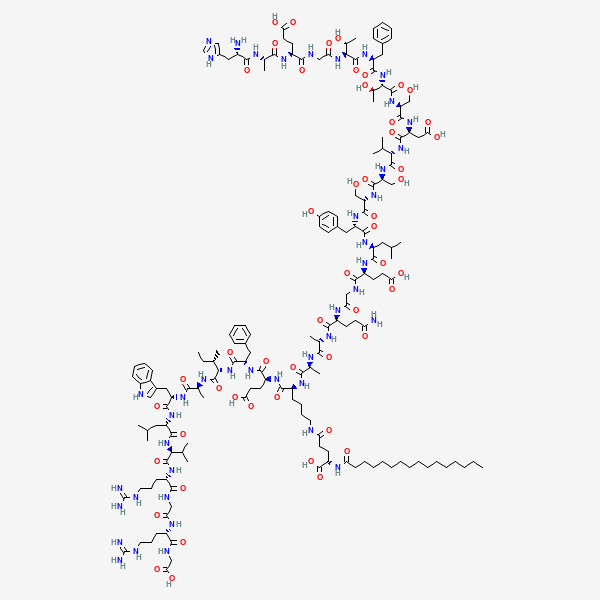
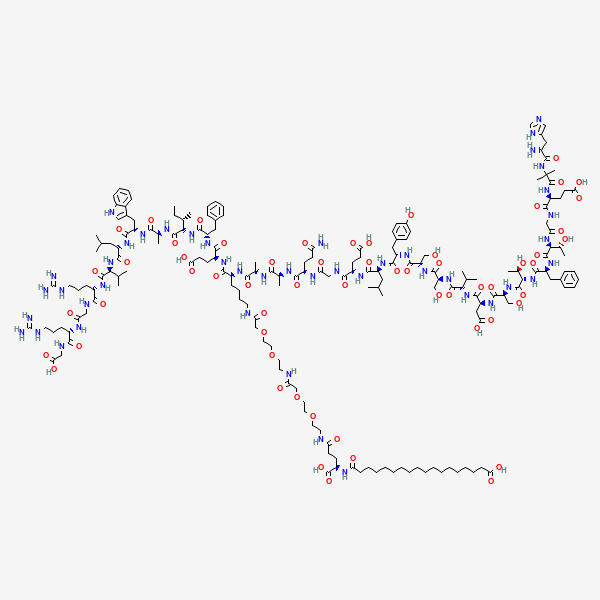
The 2D chemical structures, straight from PubChem — a quick way to see how similar (or not) the two actually are.
Which one fits which goal?
There's no universal winner here — the honest answer depends on what you're after. These picks are framed by goal, and each says why.
Fewer injections
Leans toward Semaglutide
The injectable products are taken weekly rather than daily.
An FDA-approved oral option for type 2 diabetes
Leans toward Semaglutide
Rybelsus provides daily oral semaglutide; liraglutide is injection-only.
An established daily titration routine
Leans toward Liraglutide
Liraglutide has a long clinical track record with a daily step-up schedule and daily dosing rhythm.
The older GLP-1 option with approved generics
Leans toward Liraglutide
Liraglutide reached the US market earlier, and FDA-approved generic versions now exist.
References
- 1.Saxenda and Victoza (liraglutide) prescribing information
- 2.Ozempic, Wegovy and Rybelsus (semaglutide) prescribing information
- 3.STEP 8 semaglutide versus liraglutide randomized trial — indexed research
- 4.SCALE trial — liraglutide 3.0 mg for weight management
- 5.STEP 1 trial — semaglutide 2.4 mg for weight management