LL-37 vs Thymosin Alpha-1
LL-37 vs Thymosin Alpha-1 compares direct innate antimicrobial action with T-cell immune tuning, including evidence, risks, andundefinedUS status.
LL-37 vs Thymosin Alpha-1 is not a contest between two versions of “immune support”: LL-37 is a direct, innate antimicrobial, while Thymosin Alpha-1 tunes T-cell-led responses. No trial has compared them directly. Thymosin alpha-1 has the stronger human evidence; LL-37 remains animal-only for its headline antimicrobial use.
What actually separates LL-37 from thymosin alpha-1?
LL-37 attacks at the front line; thymosin alpha-1 helps organize the response behind it. LL-37 is a positively charged, 37-amino-acid peptide that binds microbial membranes and makes them leak. Thymosin alpha-1 is a 28-amino-acid thymic peptide that changes how dendritic cells and T cells respond to immune signals. “Immune peptide” is therefore about as useful as calling both a smoke alarm and a fire chief “fire equipment.”
LL-37 is the active tail cut from hCAP-18, the only cathelicidin encoded in humans. The precursor sits in neutrophil secondary granules. At a microbial surface, LL-37 shifts toward an alpha-helical shape and permeabilizes the membrane; foundational laboratory work demonstrated both inner- and outer-membrane leakage in E. coli (Turner et al., 1998). Our antimicrobial peptide guide explains why charge and membrane composition matter.
Thymosin alpha-1, also called thymalfasin, does not kill microbes by membrane disruption. Thymosin alpha-1 influences dendritic-cell and T-cell behavior through Toll-like-receptor signaling, helping connect pathogen sensing to a more coordinated response. The “innate vs adaptive immune peptide” shorthand is useful as a first map, but thymosin alpha-1 also affects innate immune cells and LL-37 also sends immune signals.
Which peptide has better human evidence?
Thymosin alpha-1 has the stronger clinical record by a wide margin, but that does not make it a universal winner. Randomized human trials have tested thymosin alpha-1 in chronic hepatitis B and other settings. LL-37 has entered small human studies for narrow local uses, yet its headline claim—systemic antimicrobial or broad ll-37 immune support—still lacks human efficacy evidence. The shared badge is therefore animal-only, matching the weaker side.
A 97-person Phase III hepatitis B trial compared thymosin alpha-1 with placebo. The primary response difference did not reach conventional statistical significance, and the authors said the trial did not confirm earlier efficacy findings (PubMed PMID 10607256). That is human randomized evidence, but “human RCT” describes the study design, not a guaranteed benefit.
LL-37’s human record is much smaller and asks different questions. A completed intratumoral melanoma study enrolled four participants, while a topical diabetic-foot-ulcer study evaluated a cream. Neither establishes injected LL-37 as an antibiotic or general immune treatment. No direct head-to-head trial of thymosin alpha 1 vs ll-37 was found in PubMed or ClinicalTrials.gov as of July 16, 2026; this page weighs their separate evidence.
Which peptide fits which research goal?
LL-37 fits questions about direct antimicrobial action; thymosin alpha-1 fits questions that demand human clinical precedent or T-cell-centered immune modulation. Those are by-goal picks, not treatment instructions. With these immune peptides compared honestly, the decisive variable is not “which boosts immunity more?” but which biological job and evidence threshold the question actually requires.
LL-37 is the cleaner research target for microbial-membrane disruption, biofilm biology and the bridge between barrier defense and inflammation. The evidence is mechanistically detailed, but therapeutic efficacy remains mostly preclinical. Thymosin alpha-1 is the cleaner pick when randomized human evidence matters, especially for chronic hepatitis B research. Indonesia’s Zadaxin label identifies chronic hepatitis B as an indication and reports 1.6 mg subcutaneously twice weekly (Zadaxin product information). That is a labeled regimen abroad, not a US approval or personal protocol.
The immune peptides hub separates anti-inflammatory peptides, direct antimicrobials and immune modulators instead of tossing them into one bucket.
What risks change the comparison?
LL-37’s double edge changes the comparison more than its “natural” label suggests. The same peptide can defend a barrier, damage host membranes at sufficient concentrations and amplify inflammatory signaling. Thymosin alpha-1 has far more human exposure and a better-characterized safety record, but immune modulation is not neutral for someone with active autoimmunity or deliberate immunosuppression. More immune activity is not automatically better immune function.
Human rosacea tissue showed higher cathelicidin expression than control tissue, supporting a pathogenic connection rather than an “add more” story (PubMed PMID 25323904). LL-37 can also bind self-DNA; those complexes are implicated in psoriasis and systemic lupus erythematosus signaling (Biophysical Journal review). The phrase “ll-37 immune support” hides that antimicrobial action and inflammatory amplification can arrive in the same molecule.
Thymosin alpha-1 product information lists hypersensitivity as a contraindication and warns about intentional immunosuppression. Injection-site discomfort is the mundane end of the risk range. The deeper issue is direction: changing T-cell coordination may be useful in one clinical setting and counterproductive in another.
What is the 2026 US regulatory and compounding status?
Neither peptide is FDA-approved in the United States, and neither appears on the FDA’s current 503A nomination categories or the 503B bulks list as of July 2026. FDA also lists both among previously nominated substances with identified compounding concerns, including immunogenicity, peptide impurities and inadequate safety information. A vial offered by a clinic or research seller does not turn that gap into approval.
FDA’s compounding page specifically flags cathelicidin LL-37 and thymosin alpha-1 (FDA safety review). The practical distinction is overseas: Zadaxin is a licensed thymosin alpha-1 medicine for chronic hepatitis B in Indonesia, while LL-37 has no approved therapeutic product. “Compounded,” “research use only” and “FDA-approved” are three different regulatory statements.
Is either peptide banned in sport?
LL-37 should be treated as prohibited at all times under the 2026 World Anti-Doping Agency S0 category because it lacks current governmental approval for human therapeutic use. Thymosin alpha-1 is not named on the list, and approval abroad means the S0 no-approval definition does not fit it. Tested athletes still need a current case-specific check; the list changes yearly.
The operative language sits in the 2026 WADA Prohibited List. “Not specifically named” is not the same as a permanent clearance, particularly when a substance or use could fall under another category.
What is the bottom line?
ll-37 vs thymosin alpha-1 has no overall winner because the compounds do different immune jobs. LL-37 owns the direct antimicrobial mechanism but carries animal-only therapeutic evidence and a real inflammation caveat. Thymosin alpha-1 owns the human evidence and overseas clinical precedent. The honest choice is by goal, evidence tolerance and regulatory setting—not the word “immune.”
LL-37 vs Thymosin Alpha-1, point by point
Every dimension side by side — the honest differences, not a scoreboard.
| Dimension | LL-37 | Thymosin Alpha-1 |
|---|---|---|
| Core identity | The 37-residue active fragment of hCAP-18 and the only cathelicidin humans make. | A 28-residue, N-terminally acetylated thymic peptide; the drug form is thymalfasin (Zadaxin). |
| Immune lane | Innate defense: stored as its precursor in neutrophil secondary granules and released at barrier or infection sites. | Immune coordination: influences dendritic cells, T-cell maturation and innate-to-adaptive signaling. |
| Primary mechanism | Binds and disrupts microbial membranes while also signaling to host immune cells. | Modulates Toll-like-receptor signaling and the T-cell response; it does not directly tear open microbial membranes. |
| Headline evidence | Animal-only for therapeutic antimicrobial efficacy; human work is limited to narrow early uses such as wounds and intratumoral dosing. | Human RCT evidence, including chronic hepatitis B trials, although results are mixed rather than uniformly positive. |
| Dose established in humans | No standardized systemic antimicrobial dose has been established in people. | Zadaxin labeling reports 1.6 mg subcutaneously twice weekly for chronic hepatitis B. |
| Main safety distinction | Limited systemic safety data; excess LL-37 can injure host cells and is implicated in rosacea and autoimmune signaling. | A broader human safety record, with injection-site reactions prominent; immune modulation still matters in autoimmunity or intentional immunosuppression. |
| US regulatory status (2026) | Not FDA-approved for any indication. | Not FDA-approved, despite Zadaxin approval for chronic hepatitis B in countries including Indonesia. |
| US compounding reality (2026) | Absent from the current 503A nomination categories and 503B bulks list; FDA separately flags safety concerns for compounded LL-37. | Absent from the current 503A nomination categories and 503B bulks list; FDA separately flags safety concerns for compounded thymosin alpha-1. |
| Banned in sport (2026) | Treat as prohibited at all times under WADA S0 because it lacks governmental approval for human therapeutic use. | Not specifically named; approval abroad means it does not meet S0's no-governmental-approval definition. |
- Headline evidence: The shared page badge uses animal-only because LL-37 carries the weaker headline tier.
- Dose established in humans: Study and product-label information, not a personal dosing recommendation.
- US compounding reality (2026): Neither peptide has a clean list-based route for routine compounding from bulk drug substance.
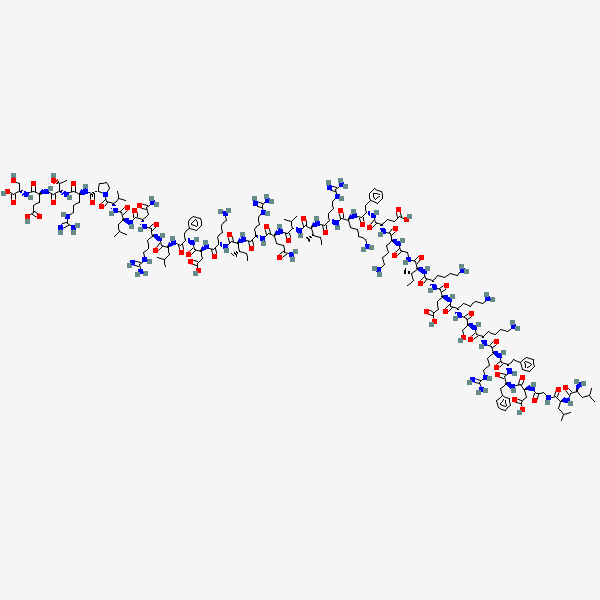
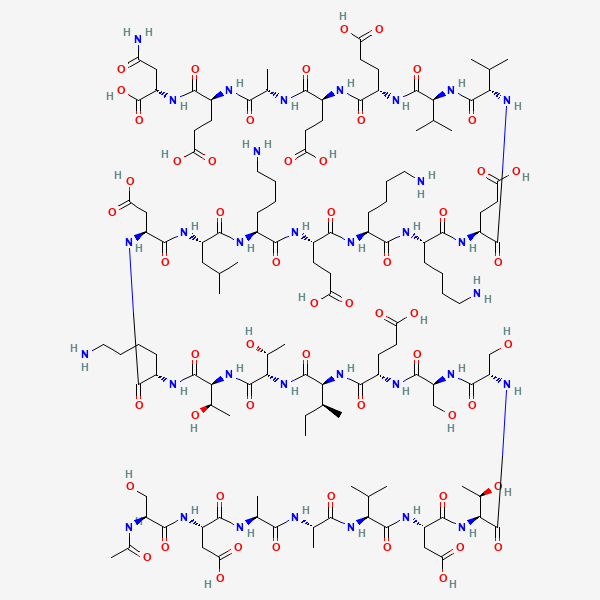
LL-37 vs Thymosin Alpha-1: the two molecules
The 2D chemical structures, straight from PubChem — a quick way to see how similar (or not) the two actually are.
Which one fits which goal?
There's no universal winner here — the honest answer depends on what you're after. These picks are framed by goal, and each says why.
Studying direct microbial-membrane disruption
Leans toward LL-37
LL-37 is the direct antimicrobial of the pair, with membrane permeabilization and innate-defense biology mapped in laboratory and animal work.
Prioritizing human trial evidence for immune modulation
Leans toward Thymosin Alpha-1
Thymosin alpha-1 has randomized human trials and licensed clinical use abroad; LL-37's headline antimicrobial use remains preclinical.
Comparing a licensed hepatitis B regimen outside the US
Leans toward Thymosin Alpha-1
Zadaxin has an overseas product label for chronic hepatitis B, while LL-37 has no approved therapeutic indication.
References
- 1.Activities of LL-37, a cathelin-associated antimicrobial peptide of human neutrophils
- 2.Cathelicidin expression and rosacea pathogenesis (PubMed PMID 25323904)
- 3.Phase III randomized placebo-controlled thymosin alpha-1 trial in chronic hepatitis B
- 4.Zadaxin thymosin alpha-1 injection product information
- 5.FDA: bulk drug substances for compounding that may present significant safety risks