Matrixyl vs Palmitoyl Tripeptide-38
How Matrixyl and Palmitoyl Tripeptide-38 compare — what each is, how strong the human evidence is for each, doses reported in research, the key risks, and 2026 US legal status. No universal winner.
Matrixyl and Palmitoyl Tripeptide-38 come up together when people are weighing similar options. Here's the honest side-by-side: what each is, how strong the human evidence is for each, the doses reported in research, the risks, and where each stands with the FDA as of 2026. There's no universal winner — scroll to the by-goal picks for which one fits which goal.
Matrixyl vs Palmitoyl Tripeptide-38, point by point
Every dimension side by side — the honest differences, not a scoreboard.
| Dimension | Matrixyl | Palmitoyl Tripeptide-38 |
|---|---|---|
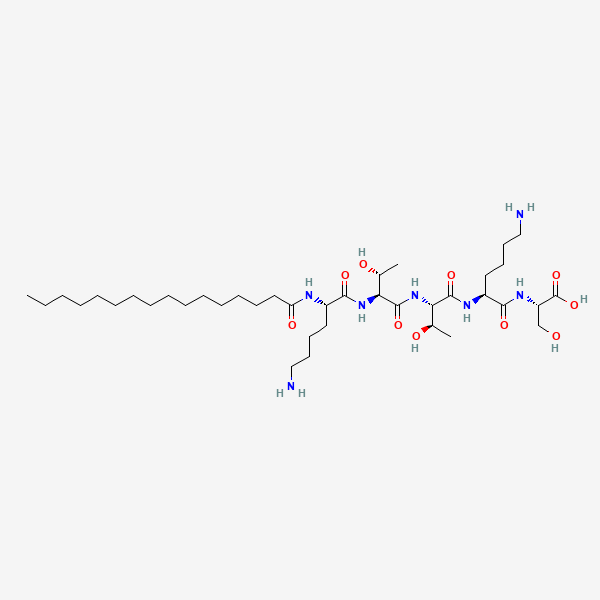
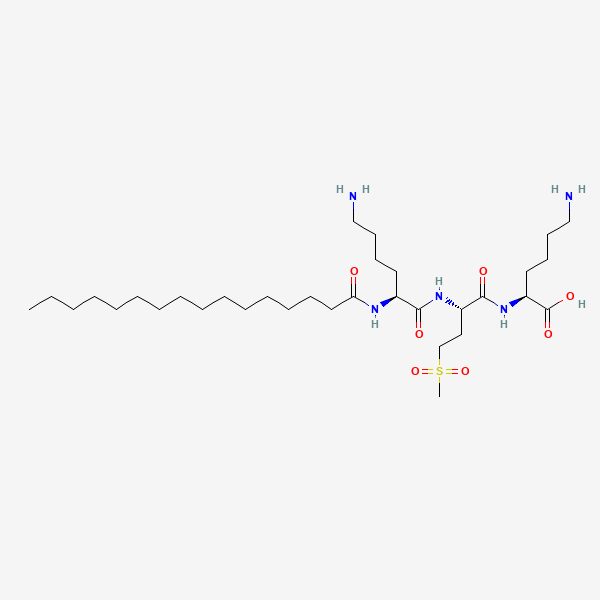
| What it is | Synthetic lipopeptide (a 5-amino-acid collagen fragment, KTTKS, with a palmitic-acid tail) | Synthetic cosmetic lipopeptide (a three-amino-acid matrix-signal peptide with a palmitic-acid tail) |
| Class / category | Cosmetic / skin | Cosmetic / skin |
| Evidence tier | Human (controlled) · Helped | In-vitro · Unclear · none in humans |
| Studied / approved for | Reducing the appearance of fine lines and wrinkles (topical); Supporting skin collagen and firmness (topical) | Reducing the appearance of fine lines and wrinkles in topical cosmetics; Supporting extracellular-matrix production in skin |
| US regulatory status (2026) | unscheduled (as of Jul 2026) | unscheduled (as of Jul 2026) |
| Doses reported in research | No established study doses | No established study doses |
| Registered trials (ClinicalTrials.gov) | 0 | No data |
| Banned in sport (WADA) | Unknown | No |
| Key risks | Matrixyl is one of the better-tolerated cosmetic peptides. Used topically at the low concentrations found in leave-on serums and creams, it rarely causes more than occasional mild irritation, and it has a long track record as an over-the- counter skincare ingredient. It has not been studied for swallowing or injecting, and the "collagen-boosting" claim is stronger in a lab dish than on a face. | Published human safety evidence for isolated palmitoyl tripeptide-38 is sparse. Topical cosmetic formulas containing it have generally been reported as well tolerated, but those results apply to whole products and short study periods. There is no established safety record for swallowing or injecting it. |
- Evidence tier: A tier reflects how human the evidence is, not a promise the compound works.
Matrixyl vs Palmitoyl Tripeptide-38: the two molecules
The 2D chemical structures, straight from PubChem — a quick way to see how similar (or not) the two actually are.
Which one fits which goal?
There's no universal winner here — the honest answer depends on what you're after. These picks are framed by goal, and each says why.
If you want the option with more human evidence behind it
Leans toward Matrixyl
Matrixyl's evidence sits at human (controlled), a more human tier than Palmitoyl Tripeptide-38's in-vitro. That reflects how the data was gathered, not a guarantee it works.
References
- 1.Palmitoyl pentapeptide-4 — compound record (PubChem, CID 9897237)
- 2.Palmitoyl pentapeptide-4 — indexed research (PubMed, National Library of Medicine)
- 3.Palmitoyl pentapeptide-4 — registered clinical studies (ClinicalTrials.gov)
- 4.FDA — how cosmetics are (and aren't) regulated
- 5.Palmitoyl lysyldioxymethionyllysine - PubChem CID 71587932
- 6.FDA Global Substance Registration System - Palmitoyl Tripeptide-38