Matrixyl vs SNAP-8
Matrixyl vs SNAP-8 compares collagen signaling, expression lines, evidence and topical use, with honest by-goal picks and no overall winner.
Matrixyl vs SNAP-8 is a choice between two topical peptides with different jobs: Matrixyl signals skin cells to make collagen and other matrix proteins, while SNAP-8 aims to soften muscle-driven expression lines. Matrixyl has the stronger human evidence; SNAP-8 remains a mechanism-led idea. No trial has compared them directly.
What is the main difference between Matrixyl and SNAP-8?
Matrixyl and SNAP-8 aim at different parts of wrinkle formation. Matrixyl, or palmitoyl pentapeptide-4, sends a repair-style signal to fibroblasts, the cells that build collagen and the skin’s supporting matrix. SNAP-8, or acetyl octapeptide-3, is designed to reduce the nerve-to-muscle signaling associated with repeated facial expressions.
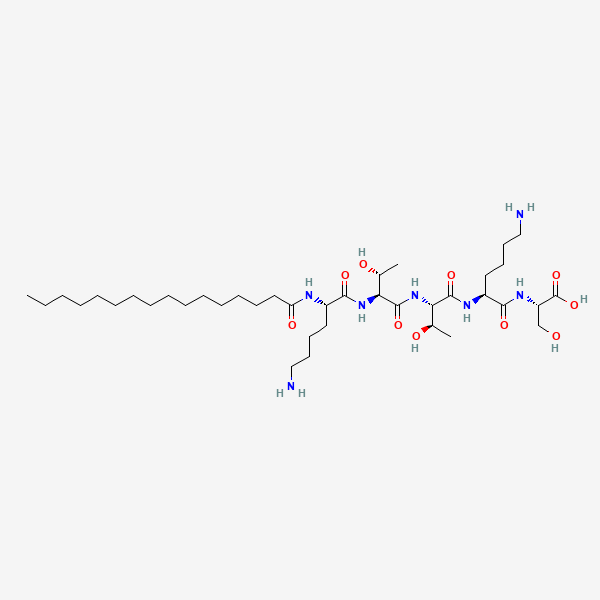
Matrixyl borrows a five-amino-acid fragment from type I collagen and adds a fatty tail to help the molecule cross the skin barrier. Skin cells are meant to read that fragment as evidence of collagen breakdown and respond by making more structural material. The clean analogy is a fake repair ticket: no wall has fallen down, but the maintenance crew receives an order.
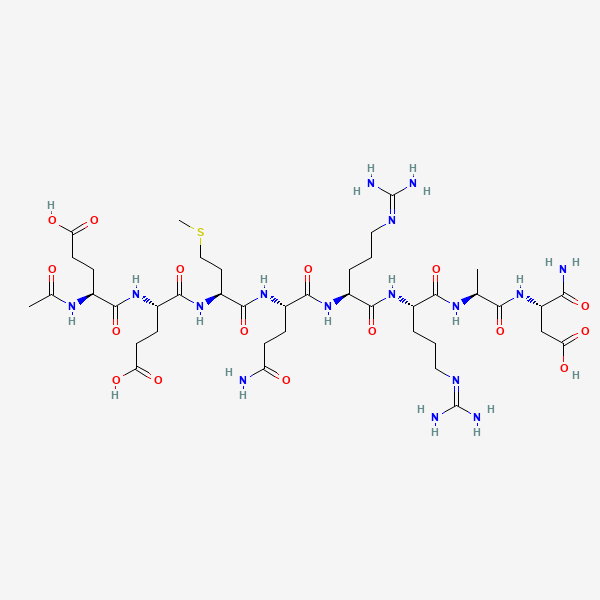
SNAP-8 copies part of SNAP-25, a protein used in the SNARE complex that helps nerve endings signal muscle. The theory says SNAP-8 competes with that machinery and turns facial contraction down slightly. “Needle-free Botox” is useful shorthand for the marketing category, not an equivalence: Botox is an injected prescription drug, while SNAP-8 is a topical cosmetic with an unconfirmed human mechanism.
Which wrinkle type does each peptide target?
Matrixyl fits fine lines, texture and firmness because its proposed job is rebuilding the extracellular matrix that supports skin. SNAP-8 fits dynamic expression lines—the forehead crease from raising your eyebrows or crow’s feet from squinting—because its proposed job concerns muscle-triggered folding. The wrinkle’s cause matters more than a winner’s podium.
Matrixyl cannot tell whether a line appears while your face moves, but stronger matrix support is relevant to lines that remain when the face is resting. SNAP-8 is aimed more narrowly at motion. That makes snap-8 vs matrixyl less like comparing two versions of the same active and more like choosing between a structural repair signal and a brake pedal.
Real faces contain both wrinkle types. A forehead line can begin as a moving crease and later remain visible at rest as collagen changes accumulate. That overlap explains why multi-peptide serums may combine collagen-signaling and expression-line ingredients. A combined formula is convenient, but convenience does not prove that the blend outperforms either ingredient alone.
What does the evidence actually show?
Matrixyl has the stronger evidence, but neither side offers drug-grade wrinkle trials. Small controlled human studies reported modest cosmetic improvement with palmitoyl pentapeptide-4, while cell studies support collagen and matrix-protein production. SNAP-8 has no published independent controlled human efficacy trial; manufacturer testing and a plausible mechanism do most of the work.
Matrixyl’s controlled studies are few, small and often associated with the ingredient’s maker. That earns a human-controlled tier in the Matrixyl evidence profile, not a blank check. The collagen mechanism also comes largely from cultured fibroblasts. A cell dish can show that a biochemical signal works; it cannot reproduce product formulation, skin penetration or a face aging over years.
SNAP-8 sits lower at mechanistic-hypothesis with a None-in-humans flag and an unknown verdict. The PubMed record search does not supply the missing independent controlled trial, and the proposed target lies below intact skin. SNAP-8 first has to reach that target in a useful amount, which remains part of the question.
No direct matrixyl vs snap-8 trial exists in the profiles or clinical-study searches. This page therefore compares separate bodies of evidence, not two arms of one experiment. The weaker shared badge is mechanistic-hypothesis so the comparison never makes SNAP-8 look human-proven. The site’s evidence-grading method explains why mechanism, cell work and human outcomes stay in separate lanes.
Is Matrixyl 3000 the same comparison?
Matrixyl 3000 vs SNAP-8 is not exactly the same match-up because Matrixyl 3000 is a peptide blend, while the Matrixyl profile here covers palmitoyl pentapeptide-4 as a single ingredient. Evidence attached to one Matrixyl-branded formula cannot automatically be carried over to another. Similar branding is doing a lot of work on the bottle.
Matrixyl 3000 combines different peptides from plain Matrixyl, so a product labeled “Matrixyl 3000” needs to be judged by its own ingredient list and evidence. The mechanism-level contrast can still be useful—matrix signaling on one side, expression-line signaling on the other—but the exact compounds and concentrations matter. This comparison does not treat the trade names as interchangeable.
Can Matrixyl and SNAP-8 be used in the same serum?
Matrixyl and SNAP-8 can appear in the same topical skincare routine or multi-peptide serum because they are not competing versions of one ingredient. The logic is complementary coverage: Matrixyl for collagen and matrix support, SNAP-8 for expression-related creasing. Evidence for that combined strategy is weaker than the tidy mechanism story, since no direct trial establishes an additive benefit.
Both compounds are leave-on cosmetic ingredients, not powders to reconstitute or inject. There is no clinically validated dose to calculate from the existing profiles. Product quality, peptide concentration, stability, preservatives and skin penetration can all change what reaches the skin, which makes the finished formula more important than the longest peptide list on the label.
Matrixyl and SNAP-8 are generally framed as low-irritation topical actives, but a finished serum can still cause redness or irritation. Fragrance, preservatives and other actives may be the cause. The broader cosmetic peptide guide places both compounds among other topical signaling peptides without treating a crowded formula as stronger evidence.
Should you choose Matrixyl or SNAP-8?
Matrixyl is the evidence-led pick for fine lines, texture and firmness; SNAP-8 is the mechanism-led pick for expression lines. For anyone asking “matrixyl or snap 8” without naming the wrinkle type, there is no honest single answer. Goal, evidence tolerance and the complete product formula decide the better fit.
Matrixyl gets the edge when controlled human evidence matters most, though the observed cosmetic signal is modest and under-replicated. SNAP-8 makes more sense as an experimental topical for muscle-driven creases, provided “Botox in a jar” is treated as an analogy rather than a clinical promise. Choosing both is a coverage strategy, not proof of synergy.
Matrixyl and SNAP-8 share the same US regulatory lane as of 2026: legal cosmetic ingredients, unscheduled, and not FDA-approved drugs. Appearance claims belong in cosmetic territory; claims to treat disease or alter muscle function can cross into drug territory. The regulatory status guide explains that distinction. Different jobs and evidence; no universal winner.
Matrixyl vs SNAP-8, point by point
Every dimension side by side — the honest differences, not a scoreboard.
| Dimension | Matrixyl | SNAP-8 |
|---|---|---|
| Main job | Signals dermal fibroblasts to make collagen and other extracellular-matrix proteins. | Proposed to interfere gently with SNAP-25/SNARE signaling and reduce muscle-driven creasing. |
| Wrinkle type targeted | Fine lines, texture and loss of firmness linked to the skin's structural matrix. | Dynamic expression lines such as forehead furrows and crow's feet. |
| Human evidence | Small controlled facial-skin studies reported modest improvement versus vehicle cream; studies are few and several are manufacturer-associated. | No published independent controlled human efficacy trial; the case rests on a proposed mechanism and manufacturer testing. |
| Mechanism evidence | Collagen and matrix-protein stimulation is supported in cultured human fibroblasts, with limited controlled human cosmetic results. | Competition with SNAP-25 is a mechanistic hypothesis extrapolated from nerve biology and lab work, not confirmed on human facial skin. |
| How they are used | Topically in leave-on serums, moisturizers and eye creams. | Topically in leave-on serums and creams; no reconstitution or injection. |
| US regulatory status (2026) | Legal cosmetic ingredient; unscheduled and not an FDA-approved drug. | Legal cosmetic ingredient; unscheduled and not an FDA-approved drug. |
- Main job: Matrixyl is a matrix-signaling peptide; SNAP-8 is marketed as a topical cosmetic neuropeptide.
- Human evidence: No trial has compared Matrixyl and SNAP-8 directly; this comparison weighs their separate evidence.
- US regulatory status (2026): Cosmetic appearance claims are different from drug claims about treating disease or altering muscle function.
Matrixyl vs SNAP-8: the two molecules
The 2D chemical structures, straight from PubChem — a quick way to see how similar (or not) the two actually are.
Which one fits which goal?
There's no universal winner here — the honest answer depends on what you're after. These picks are framed by goal, and each says why.
Fine lines, texture or firmness
Leans toward Matrixyl
Matrixyl targets collagen and the skin matrix, and its profile includes a modest signal from small controlled human studies.
Expression lines from frowning or squinting
Leans toward SNAP-8
SNAP-8 is designed around muscle-triggered creasing, although that fit is mechanistic and not established by an independent human efficacy trial.
Choosing the option with stronger human evidence
Leans toward Matrixyl
Matrixyl has limited controlled human cosmetic data; SNAP-8 remains None-in-humans for efficacy and carries an unknown verdict.
References
- 1.Palmitoyl pentapeptide-4 — indexed research (PubMed, National Library of Medicine)
- 2.Acetyl octapeptide-3 — indexed research (PubMed, National Library of Medicine)
- 3.Palmitoyl pentapeptide-4 — registered clinical studies (ClinicalTrials.gov)
- 4.Acetyl octapeptide-3 — registered clinical studies (ClinicalTrials.gov)
- 5.FDA — how cosmetics and cosmetic ingredients are regulated