Melanotan 2 vs PT-141
Melanotanundefinedvs PT-141 compares broad tanning and libido effects with an FDA-approved, libido-focused drug. See the evidence, risks, and by-goal picks.
Melanotanundefinedvs PT-141 is a choice between broad tanning-plus-arousal activity and a libido-focused prescription drug. Melanotan II activates several melanocortin receptors and is unapproved; PT-141 (bremelanotide) has human randomized-trial evidence and FDA approval as Vyleesi for premenopausal women with acquired, generalized hypoactive sexual desire disorder. No trial has compared them directly.
What is the core difference between Melanotan II and PT-141?
Melanotan II is the broad actor: it stimulates MC1R to increase pigment and also reaches melanocortin pathways tied to appetite and sexual response. PT-141, also called bremelanotide, was developed from that research line around sexual desire rather than tanning. The useful distinction is purpose and evidence, not a claim that PT-141 touches only one receptor.
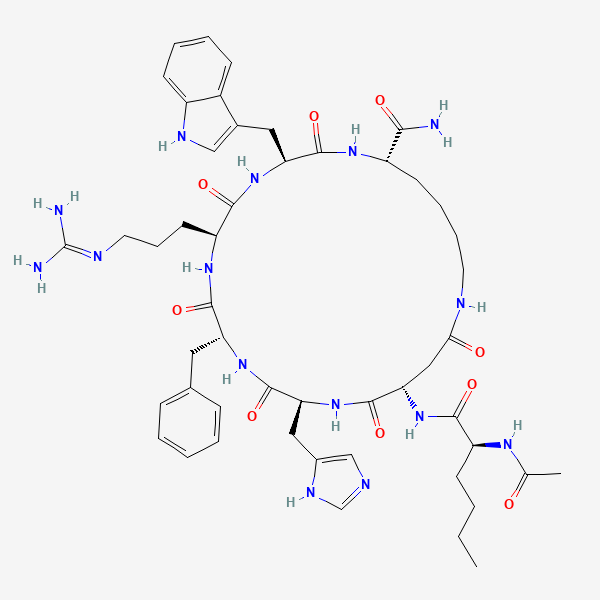
Melanotan II is a cyclic seven-amino-acid analog of alpha-melanocyte-stimulating hormone. Its tanning effect and libido effect come as a package because one molecule activates several receptor subtypes. That breadth explains both the attraction and the messier risk profile: pigmentation is the intended outcome for many users, while nausea, appetite changes, mole darkening, and spontaneous erections come from the same pharmacology.
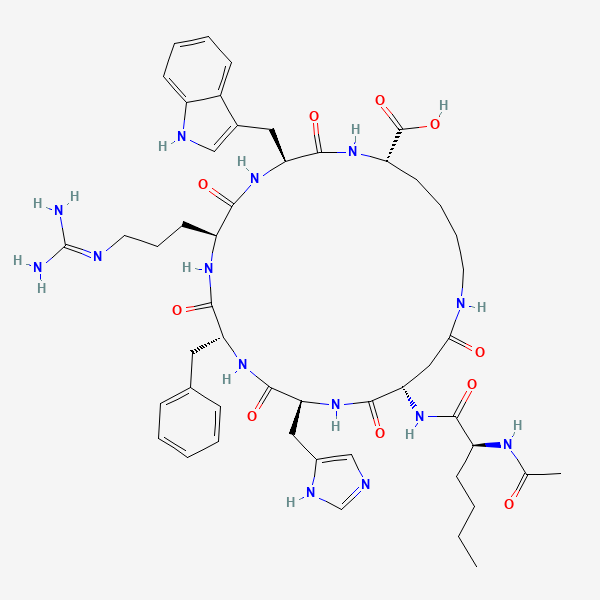
PT-141 is also a cyclic melanocortin agonist, but its clinical development centered on signaling in the brain’s sexual-response circuitry. Bremelanotide does not work like a PDE5 inhibitor that changes genital blood flow. The exact central mechanism remains incompletely mapped, but the drug’s tested endpoint was sexual desire and related distress, not skin color. Both compounds belong to the melanocortin peptide family.
Which has stronger evidence for libido?
PT-141 has the stronger and more relevant libido evidence for its approved population. Two randomized, placebo-controlled Phase 3 trials supported Vyleesi for premenopausal women with acquired, generalized HSDD. Melanotan II has controlled human evidence for erections and desire, but those studies were small and early. No direct melanotan 2 vs pt-141 trial exists.
The PT-141 trials measured sexual desire and the distress caused by low desire. They found statistically significant improvements versus placebo, although the average benefit was modest rather than dramatic (Phase 3 trials, PubMed). That is the evidence behind FDA approval. It does not automatically establish the same benefit for men, postmenopausal women, or people without HSDD.
Melanotan II also produced a real sexual signal in humans. A double-blind, placebo-controlled crossover study in men with erectile dysfunction reported erections without sexual stimulation and more reports of increased desire after Melanotan II than placebo (human study, PubMed). Still, that is a much smaller evidence base. For readers searching pt-141 vs melanotan 2 for libido, PT-141 has the clearer clinical lane; Melanotan II has an early signal, not an approval-level program.
Does PT-141 tan the skin like Melanotan II?
PT-141 is not a tanning drug, while Melanotan II reliably increases pigmentation. The distinction is not absolute: the Vyleesi label warns about focal hyperpigmentation with repeated dosing because bremelanotide can still engage pigment-related signaling. PT-141 does not offer the deliberate, whole-skin tanning effect associated with Melanotan II, and neither pigment change should be treated as risk-free.
Melanotan II’s first pilot human study documented increased pigmentation after subcutaneous dosing, alongside nausea, yawning, and spontaneous erections (Phase 1 study, PubMed). Melanotan II can also darken existing moles and bring out new freckles or nevi. Long-term human safety data are absent, and changing mole color complicates the visual monitoring used to spot suspicious skin changes.
PT-141’s label describes focal darkening involving areas such as the face, gums, and breasts. Those changes were associated more strongly with frequent exposure and did not always clearly resolve after stopping (Vyleesi label, DailyMed). In a bremelanotide vs melanotan ii comparison, “less tanning” does not mean “no pigment effect.”
How do the side effects and legal status compare?
Both compounds can cause nausea, flushing, and pigmentation changes, but PT-141 has a defined prescription label and Melanotan II has no approved product or long-term safety program. PT-141 additionally raises blood pressure temporarily and lowers heart rate; Vyleesi is contraindicated with uncontrolled hypertension or known cardiovascular disease. Melanotan II’s standout concerns are mole changes, unregulated supply, and priapism.
Vyleesi’s label reports nausea as its most common adverse reaction and also lists flushing, headache, vomiting, and injection-site reactions. The label provides a defined 1.75 mg autoinjector dose and frequency limits. Those instructions apply to the approved pharmaceutical product. Research-market powder labeled “PT-141” is not Vyleesi and does not inherit the autoinjector’s manufacturing, dose-accuracy, or sterility guarantees.
Melanotan II has no FDA-approved dose, indication, or standardized consumer product. Early studies used subcutaneous, weight-based doses under research supervision; that does not create a home-use protocol. As of 2026, Melanotan II remains unapproved in the United States. The broader distinction is covered in the site’s regulatory-status guide: an approved active ingredient and an online research vial are not interchangeable categories.
Which compound fits which goal?
PT-141 is the evidence-based pick for the narrow goal covered by its label: acquired, generalized HSDD in premenopausal women. Melanotan II is the by-goal pick only when tanning plus a possible sexual effect is the aim and the reader accepts unapproved status, broader receptor effects, mole changes, and uncertain long-term safety. There is no universal winner.
For anyone comparing melanotan 2 vs pt 141 libido outcomes outside the Vyleesi population, the answer gets less tidy. PT-141 still has the stronger human development program, but use in men and other populations is off-label. Melanotan II has controlled early human findings, yet no later approval program that resolves dose, durability, or long-term risk.
For tanning, only Melanotan II fits the stated goal, and that advantage cannot be separated from its pigmentation risks. For avoiding deliberate tanning, PT-141 is the cleaner choice, though repeated dosing can still cause focal darkening. The table’s picks follow goals because “best” changes with the outcome; the evidence-grading guide explains why one FDA-backed indication should not be stretched into a blanket claim about every libido use.
Melanotan 2 vs PT-141, point by point
Every dimension side by side — the honest differences, not a scoreboard.
| Dimension | Melanotan 2 | PT-141 |
|---|---|---|
| Main use | An unapproved research peptide used for tanning, with appetite and sexual effects from its broad receptor activity. | A prescription drug developed for sexual desire; FDA-approved as Vyleesi for acquired, generalized HSDD in premenopausal women. |
| Receptor profile | A non-selective melanocortin agonist: MC1R drives pigmentation, while MC3R and MC4R are linked to appetite and sexual response. | A melanocortin agonist focused on central sexual-response signaling, chiefly associated with MC4R and also MC3R. |
| Evidence for sexual effects | Small, early controlled human studies reported erections and increased desire; no large approval program followed. | Two randomized Phase 3 trials supported FDA approval for HSDD in premenopausal women; evidence for men is older and off-label. |
| Tanning and pigmentation | Produces visible tanning and can darken existing moles or bring out new freckles and nevi. | Not a tanning treatment, although repeated Vyleesi dosing can cause focal hyperpigmentation of areas such as the face, gums, or breasts. |
| US regulatory status (2026) | Not FDA-approved for any use; sold as a research chemical, not an approved drug, supplement, or cosmetic. | FDA-approved as Vyleesi for acquired, generalized HSDD in premenopausal women; other uses are off-label. |
| Key risks | Nausea, flushing, appetite reduction, yawning, spontaneous erections or priapism, mole darkening, and unknown long-term safety. | Nausea, flushing, headache, injection-site reactions, transient blood-pressure increases, lower heart rate, and focal hyperpigmentation. |
| Defined clinical dose | No FDA-approved dose or standardized product exists; early human studies used subcutaneous weight-based dosing. | The Vyleesi label specifies a 1.75 mg single-dose subcutaneous autoinjector, with label limits on frequency. |
- Receptor profile: The cleaner practical split is broad tanning-plus-arousal activity versus a drug developed around sexual desire, not perfect receptor exclusivity.
- Evidence for sexual effects: No trial has compared Melanotan II and PT-141 directly; this comparison weighs their separate evidence.
- US regulatory status (2026): Research-market PT-141 powder is not the approved Vyleesi autoinjector and does not carry its manufacturing guarantees.
Melanotan 2 vs PT-141: the two molecules
The 2D chemical structures, straight from PubChem — a quick way to see how similar (or not) the two actually are.
Which one fits which goal?
There's no universal winner here — the honest answer depends on what you're after. These picks are framed by goal, and each says why.
An FDA-approved option for low sexual desire within the labeled population
Leans toward PT-141
PT-141 is the only one of the pair backed by Phase 3 randomized trials and FDA approval for acquired, generalized HSDD in premenopausal women.
Tanning plus a possible libido effect, while accepting unapproved status and broader risks
Leans toward Melanotan 2
Melanotan II activates the pigmentation pathway that PT-141 was not developed to target, while its broader melanocortin activity can also affect sexual response.
Avoiding deliberate tanning or mole darkening
Leans toward PT-141
PT-141 is not used as a tanning agent, although its label still warns that focal hyperpigmentation can occur with repeated exposure.