MOTS-c vs Semaglutide for fat loss
MOTS-c vs Semaglutide is mouse metabolic research versus an FDA-approved GLP-1 with human weight-loss trials. Compare evidence, risks, and goals.
MOTS-c vs Semaglutide is experimental mitochondrial metabolism research versus an established GLP-1 weight-loss drug. Semaglutide has large human randomized trials and FDA approval; MOTS-c has encouraging mouse findings but no completed human efficacy trial. No trial has compared them directly, so this page weighs their separate evidence and gives picks by goal, not one winner.
What is the core difference?
MOTS-c and semaglutide aim at metabolism from different directions, but only one has shown human fat loss. MOTS-c is a mitochondrial-derived peptide studied for energy sensing, glucose handling, and exercise adaptation. Semaglutide is a GLP-1 receptor agonist that reduces calorie intake by changing appetite signaling and slowing stomach emptying.
That makes the popular mitochondrial peptide vs GLP-1 framing useful only if the evidence tier stays attached. MOTS-c belongs to a young field of signals encoded by mitochondrial DNA; our guide to what mitochondrial peptides are explains that family. Semaglutide is a regulated medicine with completed obesity trials. Calling both “fat-loss peptides” puts a lab program and a prescription treatment on the same shelf. The shelf is doing too much work.
What does the fat-loss evidence show?
The mots-c weight loss evidence is animal-only, while semaglutide’s is human randomized-trial evidence. In the foundational MOTS-c study, injected mice resisted high-fat-diet weight gain, accumulated less fat, and showed better insulin sensitivity. That is a prevention result in mouse models, not proof that MOTS-c makes people with obesity lose weight.
Semaglutide has a different record. STEP 1 randomized 1,961 adults with overweight or obesity to lifestyle intervention plus weekly semaglutide 2.4 mg or placebo. Mean body weight changed by -14.9% with semaglutide versus -2.4% with placebo at 68 weeks (STEP 1, PubMed). The trial average is not a promise for any individual, but it is direct human evidence.
No mots-c vs semaglutide trial exists. The first registered MOTS-c efficacy study is a recruiting 120-person Phase 2a trial in adults with prediabetes and overweight or obesity, with primary completion estimated for 2027 and no posted results (NCT07505745, ClinicalTrials.gov). Until results arrive, an honest semaglutide vs mots-c comparison cannot turn a mouse finding into a human percentage.
Does MOTS-c really mimic exercise?
MOTS-c earns the “exercise mimetic” label from mouse work, not from a human treatment trial. Researchers found that giving MOTS-c improved running performance in mice, while a small human experiment showed exercise increased the body’s own MOTS-c levels. Those are two different observations: exercise changing an endogenous peptide does not prove that injecting the peptide reproduces exercise in people.
The mechanism is still worth following. MOTS-c appears to activate AMPK, a cellular low-fuel sensor that shifts energy use and glucose handling. Semaglutide acts mainly through the GLP-1 receptor, increasing fullness and lowering calorie intake. One is being explored as a metabolic signal; the other already changes weight in controlled human trials. Mechanistic elegance is not a substitute for an efficacy endpoint.
How do safety and dosing compare?
Semaglutide has labeled doses and characterized human risks; MOTS-c has neither for fat loss. STEP 1 tested semaglutide 2.4 mg once weekly after gradual escalation. The current Wegovy label describes approved formulations and common gastrointestinal effects, along with gallbladder, pancreatitis, and boxed thyroid C-cell tumor warning considerations (DailyMed).
MOTS-c metabolic claims trace back to mouse dosing, including 5 mg/kg/day by intraperitoneal injection in the foundational study. Converting that number into a human injection plan would be unsupported arithmetic, not clinical dosing. FDA’s 2026 review found no published studies in which a drug product containing MOTS-c was used in humans and flagged unknown immunogenicity and product-quality risks (FDA briefing document). “Your mitochondria make it” is biology, not a safety trial.
What is the mots-c fda status 2026 update?
MOTS-c is not FDA-approved, and the July 23, 2026 review does not change that by itself. FDA’s Pharmacy Compounding Advisory Committee (PCAC) is scheduled to discuss MOTS-c free base and acetate for possible inclusion on the section 503A Bulks List, with obesity and osteoporosis among the evaluated uses (FDA meeting page, docket FDA-2026-N-2979).
PCAC gives non-binding advice about whether nominated bulk substances belong on a compounding list. A favorable recommendation, or eventual list placement, would address a pathway for certain patient-specific compounded drugs. It would not establish MOTS-c’s safety and effectiveness through FDA’s drug-approval process. Semaglutide, by contrast, is already FDA-approved and prescription-only for chronic weight management as Wegovy. Reclassification is not approval; the paperwork may be adjacent, but the evidentiary doors are different.
Which compound fits which goal?
Semaglutide fits the goal of evidence-backed chronic weight management; MOTS-c fits the narrower goal of following experimental mitochondrial research. That is not a universal winner. A person comparing demonstrated human weight loss, labeled dosing, and known adverse effects gets a different answer from a researcher asking whether mitochondrial signals could become future metabolic therapies.
The tier gap is the decision aid. Semaglutide has human RCT evidence for weight reduction. MOTS-c remains animal-only for metabolic efficacy, with its first proper human test underway. There is also no controlled evidence that combining the two improves fat loss or safety, so “stacking” claims add another untested question rather than closing the gap. The by-goal picks above keep those questions separate.
MOTS-c vs Semaglutide for fat loss, point by point
Every dimension side by side — the honest differences, not a scoreboard.
| Dimension | MOTS-c | Semaglutide for fat loss |
|---|---|---|
| Compound class | A 16-amino-acid mitochondrial-derived peptide made naturally by cells and synthesized for research. | A long-acting synthetic GLP-1 receptor agonist used as a prescription drug. |
| Fat-loss evidence | Prevented diet-induced obesity and reduced fat accumulation in mice; no completed human efficacy trial has reported results. | Large human randomized trials show substantial average weight loss; STEP 1 reported a 14.9% mean reduction at 68 weeks with 2.4 mg weekly. |
| Main metabolic route | Proposed AMPK activation and changes in glucose and fatty-acid metabolism, established mainly in cells and mice. | GLP-1 receptor activation reduces calorie intake through appetite signaling, slows gastric emptying, and improves glucose-dependent insulin signaling. |
| Human efficacy testing | A 120-person Phase 2a trial in prediabetes and overweight/obesity began in 2026 and has no posted results. | Multiple completed Phase 3 weight-management trials and years of regulated clinical use. |
| Doses behind the claims | The foundational metabolic study used 5 mg/kg/day by intraperitoneal injection in mice; there is no validated human fat-loss dose. | STEP 1 tested 2.4 mg by subcutaneous injection once weekly after dose escalation. |
| US regulatory status (July 2026) | Not FDA-approved. FDA's PCAC will review MOTS-c free base and acetate for possible 503A Bulks List inclusion on July 23, 2026. | FDA-approved and prescription-only for chronic weight management as Wegovy, with approved products also used for other labeled indications. |
| Safety certainty | Injected-MOTS-c safety in humans is unknown, including long-term and immunogenicity risks. | Human risks are characterized in labeling; gastrointestinal effects are common, with gallbladder, pancreatitis, and boxed thyroid-warning considerations. |
- Fat-loss evidence: No trial has compared MOTS-c with semaglutide directly; these are results from separate evidence bases.
- US regulatory status (July 2026): A PCAC recommendation or later 503A listing would concern compounding eligibility; neither reclassifies MOTS-c as an FDA-approved drug.
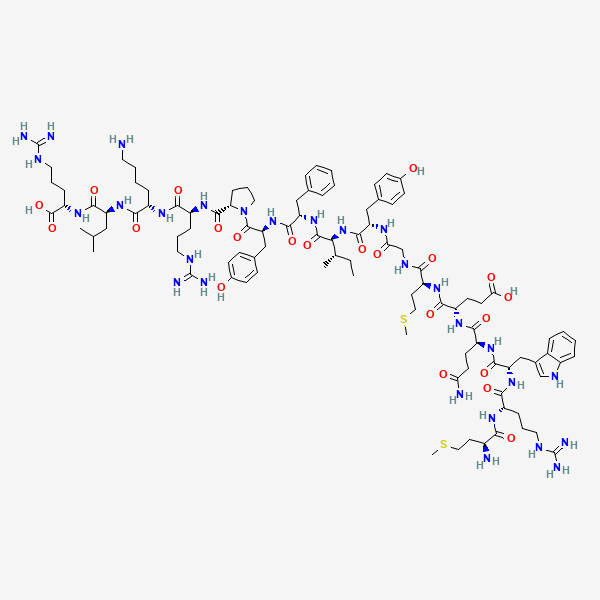
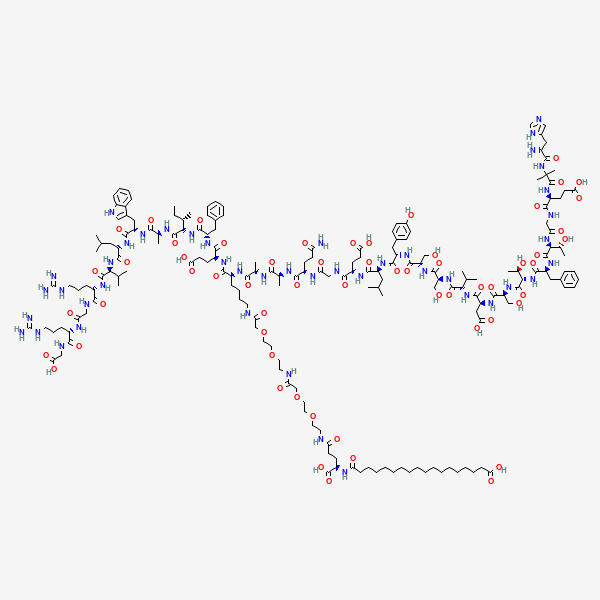
MOTS-c vs Semaglutide for fat loss: the two molecules
The 2D chemical structures, straight from PubChem — a quick way to see how similar (or not) the two actually are.
Which one fits which goal?
There's no universal winner here — the honest answer depends on what you're after. These picks are framed by goal, and each says why.
Evidence-backed treatment for chronic weight management
Leans toward Semaglutide for fat loss
Semaglutide has completed human randomized trials, an FDA-approved weight-management product, and a defined prescribing label; MOTS-c has none of those yet.
Following experimental mitochondrial metabolism research
Leans toward MOTS-c
MOTS-c directly represents the mitochondrial-peptide research question, but this is a research-interest pick, not evidence that it causes human fat loss.
Avoiding an unvalidated human dose
Leans toward Semaglutide for fat loss
Semaglutide has labeled dosing and controlled human dose-escalation data; MOTS-c dosing behind metabolic claims comes from mice.
References
- 1.Lee et al. — MOTS-c promotes metabolic homeostasis and reduces obesity and insulin resistance
- 2.Wilding et al. — Once-weekly semaglutide in adults with overweight or obesity (STEP 1)
- 3.Wegovy (semaglutide) prescribing information
- 4.FDA PCAC meeting — July 23-24, 2026
- 5.FDA briefing document for MOTS-c-related bulk drug substances