MOTS-c vs SS-31 (elamipretide)
MOTS-c vs SS-31 (elamipretide) compares metabolic signaling with cardiolipin targeting, human evidence, delivery, safety, and the better fit by research goal.
MOTS-c vs SS-31 (elamipretide) is a choice between a metabolic signaling peptide with mostly preclinical evidence and a cardiolipin-targeting peptide with human trials, mixed disease results, and one narrow FDA-approved use. Neither is the universal winner: MOTS-c fits metabolic or exercise research, while SS-31 fits mitochondrial-disease research.
What is the main difference between MOTS-c and SS-31?
MOTS-c and SS-31 both belong in the mitochondrial conversation, but they approach the organelle from different directions. MOTS-c is a signal encoded within mitochondrial DNA that appears to tell cells how to respond to low-energy and metabolic stress. SS-31, also called elamipretide, is a synthetic peptide designed to concentrate at the inner mitochondrial membrane and bind cardiolipin.
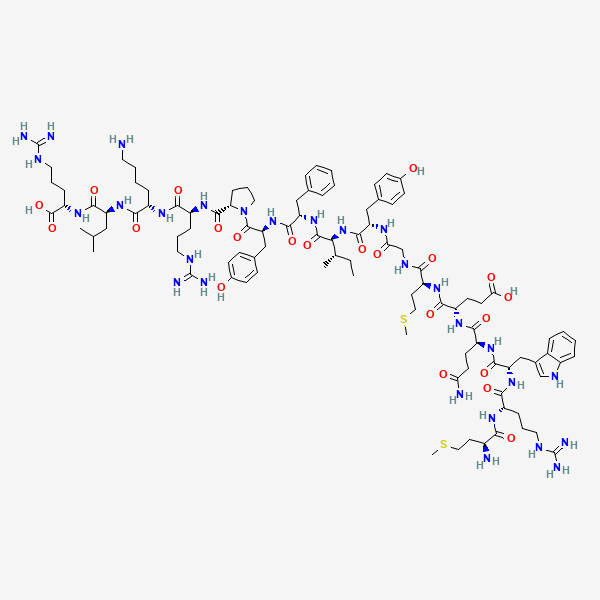
MOTS-c contains 16 amino acids and is produced naturally by the body, although research material is synthetic. In cells and mice, MOTS-c activates AMP-activated protein kinase (AMPK), the cell’s low-fuel alarm. That pathway helps explain the mouse findings on glucose use, insulin sensitivity, fat handling, and running capacity. Under metabolic stress, MOTS-c can also move into the nucleus and influence stress-response genes. The exact mechanism after administration in humans remains unsettled (MOTS-c research, PubMed).
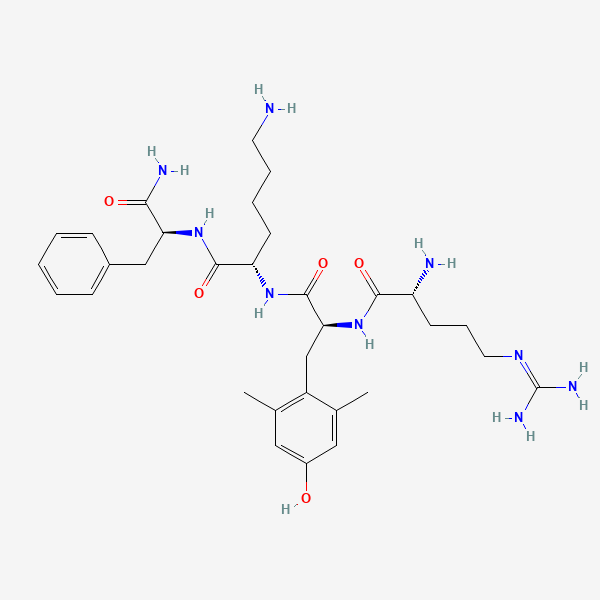
SS-31 contains four amino acids and is entirely synthetic. SS-31 binds cardiolipin, a lipid that helps organize the machinery responsible for producing adenosine triphosphate (ATP), the usable energy currency of cells. A plain analogy: MOTS-c resembles a low-fuel signal that changes the operating plan, while SS-31 works closer to the power plant’s physical wiring. Those are mechanistic descriptions, not proof that either produces broad anti-aging effects.
Which peptide has stronger human evidence?
SS-31 has the stronger human evidence base, but “more studied” does not mean “works for every mitochondrial goal.” Elamipretide has controlled trials, mixed or failed endpoints in several diseases, and FDA approval for one narrow indication. MOTS-c remains animal-only for administered efficacy, with early human research now beginning rather than completed.
For MOTS-c, the encouraging findings come mainly from mice: better insulin sensitivity, resistance to diet-induced metabolic problems, and greater exercise capacity. Human papers often measure naturally produced MOTS-c during exercise, aging, or disease; they do not show that injecting MOTS-c improves performance or metabolism. A Phase 2 study in prediabetes began recruiting in 2026, so the clinical answer is being tested, not established (NCT07505745). Its badge is Animal-only · Unknown verdict · None in humans for administered efficacy.
For SS-31, the record is broader and less tidy. Elamipretide reached FDA approval as Forzinity for Barth syndrome, a rare inherited mitochondrial disorder. Yet the Phase 3 program in broader primary mitochondrial myopathy missed its primary endpoint, and heart-failure studies have not produced a clear benefit. Research in age-related muscle function is small and mixed, while other programs remain ongoing (registered elamipretide studies). Its headline badge is Human-controlled · Mixed verdict · Human intervention data available.
No trial has compared them directly; this weighs their separate evidence. That matters for any ss-31 vs mots-c claim that presents a clean scoreboard. The populations, outcomes, and stages of development are too different for a numeric ranking.
How do delivery, dosing, and safety compare?
SS-31 has the clearer delivery and safety record because elamipretide has been administered in clinical trials and reviewed as a prescription drug. Both compounds are associated with subcutaneous injection, but MOTS-c has no clinically validated human dose. SS-31’s approved dosing belongs to the Forzinity label and its narrow indication, not to an improvised longevity protocol.
MOTS-c is commonly discussed as a freeze-dried research peptide reconstituted for subcutaneous use. The profile contains no reported study dose because efficacy trials have not yet produced a validated human regimen. Human safety data on injected MOTS-c are essentially absent. “The body already makes it” is not a safety result; dose, exposure, and manufacturing quality still matter. Research-grade material also brings uncertainty about purity, dose accuracy, and sterility.
SS-31 has been given as a daily subcutaneous injection in human studies. Injection-site redness, itching, and irritation are the most commonly reported problems, usually mild in the clinical record (Forzinity information, DailyMed). That record does not establish long-term safety for healthy people using SS-31 for longevity, and online research powder is not the same FDA-reviewed product.
Is MOTS-c or SS-31 the better fit by goal?
mots-c or ss-31 depends on the question being asked. MOTS-c is the more direct research fit for metabolic signaling and exercise-mimetic hypotheses. SS-31 is the stronger fit for mitochondrial-disease research and for readers prioritizing human intervention data. Neither earns a blanket recommendation for general longevity.
- Metabolic or exercise-capacity research: MOTS-c. MOTS-c’s AMPK-linked mouse findings map directly to insulin sensitivity, fuel use, and running capacity. The tradeoff is an animal-only efficacy tier, not a demonstrated human performance effect.
- Mitochondrial-disease research: SS-31. SS-31 has disease-specific clinical programs and the narrow Barth-syndrome approval. The failed primary mitochondrial myopathy endpoint prevents a broad “mitochondrial disease winner” claim.
- More human intervention and safety data: SS-31. Elamipretide has controlled trials and FDA review. MOTS-c does not yet have a comparable administered-human record.
Readers comparing elamipretide vs mots-c for longevity should separate evidence of mitochondrial activity from evidence of longer life or better healthspan. Neither profile reports a human lifespan benefit. The longevity peptide hub shows where both sit, while the evidence-grading guide explains why a human-controlled mixed result and an animal-only signal should not be treated as equivalent.
What is the regulatory bottom line in 2026?
MOTS-c is not FDA-approved, while SS-31 is FDA-approved only as Forzinity for Barth syndrome. That narrow approval does not cover anti-aging, athletic recovery, or general mitochondrial support. In the research market, neither label should be stretched into permission to treat unapproved powder as an approved medicine.
MOTS-c is sold as research-use-only material in the United States, not as an approved drug or lawful dietary supplement. SS-31 occupies two regulatory lanes: prescription elamipretide for its approved rare-disease use, and unapproved research-market SS-31 for other purposes. The distinction is the product and intended use, not merely the molecule’s name. The site’s regulatory-status guide provides the wider framework.
The useful conclusion from mots-c vs ss-31 is therefore by goal, not by podium. MOTS-c offers an early metabolic and exercise research story built mostly in animals. SS-31 offers substantially more human testing, a real but narrow approval, and enough mixed results to keep broader claims in check.
MOTS-c vs SS-31 (elamipretide), point by point
Every dimension side by side — the honest differences, not a scoreboard.
| Dimension | MOTS-c | SS-31 (elamipretide) |
|---|---|---|
| What it is | A 16-amino-acid mitochondrial-derived peptide encoded within mitochondrial DNA; the body makes it, while research versions are synthetic. | A synthetic four-amino-acid mitochondria-targeting peptide; the drug form is called elamipretide and the approved brand is Forzinity. |
| Primary mechanism | Activates the AMPK energy-sensing pathway in cells and animals and can move into the nucleus during metabolic stress. | Binds cardiolipin in the inner mitochondrial membrane, where studies suggest it stabilizes energy-producing machinery and supports ATP production. |
| Main research focus | Insulin sensitivity, metabolic health, exercise capacity, and healthy aging. | Barth syndrome, primary mitochondrial myopathy, age-related muscle function, heart failure, and dry age-related macular degeneration. |
| Headline evidence | Animal-only, verdict unknown, none in humans for administered MOTS-c efficacy; human studies mostly measure the body's own MOTS-c. | Human-controlled, mixed, and not none in humans; trials include an approved narrow use, failed or unclear endpoints, and ongoing programs. |
| Delivery and dosing evidence | Commonly discussed as a reconstituted subcutaneous research peptide, but no clinically validated human dose has been established. | Given by subcutaneous injection in clinical trials and as an approved prescription product; label dosing applies to Forzinity's approved use. |
| Human safety picture | Injected human safety data are essentially absent, including long-term safety; research-chemical purity and sterility add practical uncertainty. | Short-term human safety is better characterized through trials and FDA review; injection-site reactions are the most commonly reported issue. |
| US regulatory status (2026) | Not FDA-approved; sold as a research-use-only chemical, not as an approved medicine or dietary supplement. | FDA-approved as Forzinity for Barth syndrome only; SS-31 sold for longevity or general mitochondrial support is not an approved use or regulated product. |
- Primary mechanism: The precise human mechanism of MOTS-c is not established; a mechanism does not by itself establish a clinical benefit for either peptide.
- Headline evidence: No trial has compared MOTS-c with SS-31 directly; this comparison weighs their separate evidence bases.
MOTS-c vs SS-31 (elamipretide): the two molecules
The 2D chemical structures, straight from PubChem — a quick way to see how similar (or not) the two actually are.
Which one fits which goal?
There's no universal winner here — the honest answer depends on what you're after. These picks are framed by goal, and each says why.
Metabolic or exercise-capacity research
Leans toward MOTS-c
MOTS-c directly matches this research question through its AMPK-linked mouse work on insulin sensitivity and exercise capacity, though administered human efficacy remains unproven.
Mitochondrial-disease research
Leans toward SS-31 (elamipretide)
SS-31 has direct clinical development across mitochondrial diseases and an FDA-approved use in Barth syndrome, despite mixed results outside that narrow indication.
Choosing the compound with more human intervention data
Leans toward SS-31 (elamipretide)
Elamipretide has controlled human trials, an FDA-reviewed safety record, and disease-specific efficacy testing; MOTS-c efficacy is still graded animal-only.
References
- 1.MOTS-c — indexed research (PubMed, National Library of Medicine)
- 2.MOTS-c for improving insulin sensitivity in prediabetes — Phase 2 trial (NCT07505745)
- 3.Elamipretide (SS-31) — indexed research (PubMed, National Library of Medicine)
- 4.Elamipretide — registered clinical studies (ClinicalTrials.gov)
- 5.Forzinity (elamipretide) — FDA prescribing information via DailyMed