Semax vs Noopept
Semax vs Noopept compares an intranasal peptide with an oral nootropic, including evidence, onset, study doses, risks, and by-goal picks.
Semax vs Noopept is mainly a choice between an intranasal peptide and an oral, racetam-adjacent small molecule. Noopept has the stronger controlled human signal for cognitive symptoms in impaired patients; Semax has the cleaner peptide and BDNF-linked story. Neither has an established healthy-adult focus benefit, and no clinical trial has compared them directly.
What is the main difference between Noopept and Semax?
Noopept is the oral small molecule; Semax is the intranasal peptide. Noopept is derived from a dipeptide but chemically behaves more like a racetam-adjacent drug. Semax is a synthetic seven-amino-acid analog of an ACTH fragment, stabilized with a Pro-Gly-Pro tail. That class-and-route split is the practical difference a reader notices first.
Noopept was developed around cognition and is swallowed. Semax is normally delivered as nasal drops or spray and has been used in Russian neurological medicine. Both sit in the site’s nootropic compound hub, but calling both “peptides” hides a useful distinction: Semax is one; Noopept is not, despite the name.
Which one has better evidence for focus and memory?
Noopept has the better controlled human evidence for cognitive symptoms, while Semax has the more developed animal mechanism story. That is not the same as proving either compound sharpens a healthy person. Noopept’s headline tier is human-controlled · helped; Semax’s is animal-only · unknown for its headline nootropic use. The comparison itself stays animal-only because the shared healthy-adult question is unresolved.
Noopept was compared with piracetam in patients with mild cognitive disorders caused by vascular disease or head injury. Both groups improved, but the study had no placebo arm and does not answer the healthy-biohacker question (Neznamov and Teleshova, 2009). Semax has human clinical history in Russia, including neurological settings, yet its healthy-adult focus case still leans heavily on animal work and a narrow research tradition (Semax research index).
No clinical trial has tested semax vs noopept head-to-head for cognition, onset, or safety. A laboratory study examined both within a larger set of nootropics at rat-brain glutamate receptors, but receptor binding in tissue is not a contest between real-world outcomes (PubMed). This page therefore weighs separate evidence rather than pretending a comparative trial exists.
How do their mechanisms differ?
Noopept and Semax both touch neurotrophic signaling in animal research, but they arrive by different biochemical roads. Noopept research implicates nerve growth factor (NGF), brain-derived neurotrophic factor (BDNF), its cycloprolylglycine metabolite, and AMPA/NMDA glutamate signaling. Semax research centers more tightly on BDNF and its TrkB receptor. Neither exact human mechanism is settled.
BDNF is often described as fertilizer for neurons because it supports their survival and connections. The analogy is useful, but it is not an efficacy result. Raising a growth signal in a rat brain does not establish better concentration in a healthy human. The evidence-grading guide explains why a plausible mechanism ranks below a replicated clinical outcome.
Which works faster?
Semax is commonly described as the faster-feeling option, but that comparison is anecdotal. Intranasal delivery avoids swallowing and digestion, while oral Noopept must be absorbed after dosing. Neither profile supplies a controlled healthy-adult onset study, so a precise “kicks in after X minutes” claim would be false precision.
Community descriptions tend to frame Semax as noticeable around a focused work session and Noopept as subtler. Those reports can explain user interest, not establish average onset or effect size. Route makes a quicker Semax onset plausible; it does not establish the result. This is one place where confident internet timelines get ahead of the data.
What doses and formats were actually studied?
Noopept has a cited oral patient dose; Semax lacks a validated dose for healthy-adult focus in its profile. The Noopept comparison study used 10 mg by mouth twice daily, sometimes up to 30 mg daily, in cognitively impaired patients. Those figures describe the study, not an appropriate dose for another person.
Semax is generally used intranasally, while few-hundred-microgram amounts in the profile come from community use rather than a validated focus trial. Comparing milligrams with micrograms also says little about relative strength because these are different molecules, routes, and mechanisms. Tiny numbers make tidy marketing; biology remains unmoved by the typography.
Does a Noopept and Semax stack make sense?
A noopept and semax stack has no direct clinical evidence showing that the combination improves cognition or remains safe over time. The mechanism overlap gives people a reason to speculate, but shared BDNF language does not prove synergy. No controlled trial establishes a combined benefit, an interaction profile, or a research-backed combined dose.
Stacking also makes attribution harder. If focus improves, fades, or turns into headache or poor sleep, two new variables obscure the cause. Noopept’s profile reports irritability, sleep disturbance, headache, and blood-pressure increases in some people with hypertension. Semax’s profile describes nasal irritation and headache as common complaints, with long-term Western safety data still thin. The broader side-effects reference provides context without turning uncertainty into a protocol.
Which option fits which goal?
Noopept fits oral convenience and the stronger controlled patient-cognition signal; Semax fits someone specifically comparing true peptides and BDNF-linked animal research. Those are by-goal picks, not a universal ranking. “Best” changes with the question, and neither option has persuasive human proof for enhancing an already-healthy adult.
Choose the Noopept column when swallowing a measured oral compound matters more than preparing a nasal solution. Choose the Semax column when the ACTH-derived peptide class and its BDNF/TrkB research are the point of interest. Whether the better fit is noopept or semax, choose neither as “the established smart drug,” because the evidence does not support that label.
Both compounds remain research-use-only in the United States as of 2026 and are not FDA-approved. Foreign medical use does not create US approval, and product quality outside regulated pharmacy channels adds a separate uncertainty. Check the dated regulatory-status reference rather than treating a seller’s label as law. This comparison is educational information, not medical advice.
Semax vs Noopept, point by point
Every dimension side by side — the honest differences, not a scoreboard.
| Dimension | Semax | Noopept |
|---|---|---|
| Class and route | A racetam-adjacent, dipeptide-derived small molecule taken orally; technically not a true peptide. | A synthetic seven-amino-acid ACTH(4-10) analog used intranasally as drops or spray. |
| Primary research focus | Memory, attention, and mood symptoms in patients with mild cognitive impairment, plus animal neuroprotection work. | Neuroprotection in Russian neurological settings, plus animal work on learning, attention, and BDNF signaling. |
| Headline evidence badge | Human-controlled · helped · human data exists for cognitive-impairment patients, not healthy-adult enhancement. | Animal-only · unknown · human clinical history exists, but healthy-adult focus efficacy is not established. |
| Proposed mechanism | Animal studies implicate NGF and BDNF induction, cycloprolylglycine metabolism, and AMPA/NMDA glutamate modulation. | Animal studies most consistently implicate BDNF and TrkB neurotrophic signaling; the exact human mechanism remains unclear. |
| Onset | No reliable onset is established for healthy adults; community reports usually describe a subtle oral effect. | No reliable onset is established for healthy adults; community reports often describe a quicker intranasal effect. |
| Dose information in the profiles | A cited patient study used 10 mg orally twice daily, sometimes up to 30 mg daily. | The profile lists no validated study dose for healthy-adult focus; few-hundred-microgram intranasal use is community-reported. |
| US regulatory status (2026) | Research-use-only; not FDA-approved and not a lawful dietary-supplement ingredient. | Research-use-only; not FDA-approved or a legal dietary supplement, despite approval as a medicine in Russia. |
- Headline evidence badge: The badges follow the separate compound profiles and refer to their headline uses, not a trial comparing the two.
- Onset: Those onset comparisons are anecdotal, not results from a direct trial.
- Dose information in the profiles: Reported amounts are reference information, not a personal dosing recommendation.
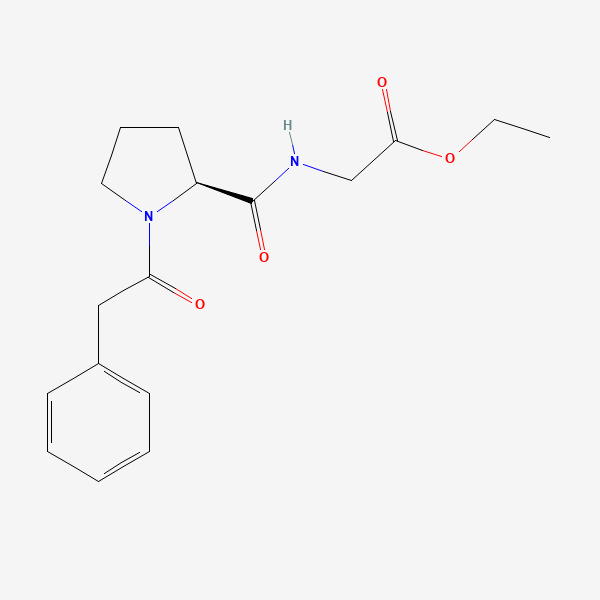
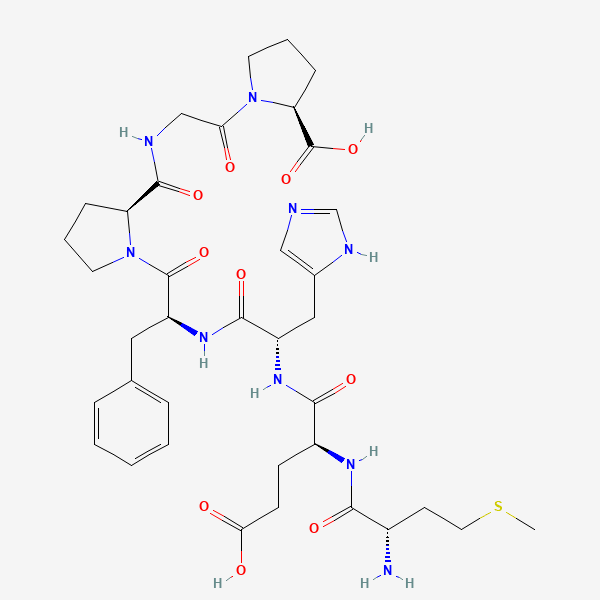
Semax vs Noopept: the two molecules
The 2D chemical structures, straight from PubChem — a quick way to see how similar (or not) the two actually are.
Which one fits which goal?
There's no universal winner here — the honest answer depends on what you're after. These picks are framed by goal, and each says why.
Oral convenience and no nasal preparation
Leans toward Semax
Noopept is swallowed and has a cited oral dose from a controlled patient study; Semax is normally prepared for intranasal use.
A true peptide with a BDNF-linked research story
Leans toward Noopept
Semax is the actual peptide, and BDNF/TrkB signaling is the clearest recurring thread in its animal literature.
More direct controlled human evidence for cognitive symptoms
Leans toward Semax
Noopept has controlled comparative evidence in cognitively impaired patients, although that does not establish enhancement in healthy adults.
References
- 1.Noopept — indexed research (PubMed, National Library of Medicine)
- 2.Neznamov & Teleshova, 2009 — Noopept vs piracetam in mild cognitive disorders
- 3.Semax — indexed research (PubMed, National Library of Medicine)
- 4.Noopept and Semax in rat-brain glutamate receptor binding — PubMed
- 5.FDA drug approval information