Orforglipron vs Semaglutide
Orforglipron vs Semaglutide compares a flexible daily pill with established oral and weekly-shot options, including trial results, risks, and access.
Orforglipron vs Semaglutide is mainly a choice between a flexible once-daily pill and Semaglutide’s established weekly injections, though oral Semaglutide also exists. Both have human randomized-trial evidence. Orforglipron removes needles and fasting rules; semaglutide brings a longer outcomes record. There is no universal winner, only a better fit for a particular goal.
What is the core difference?
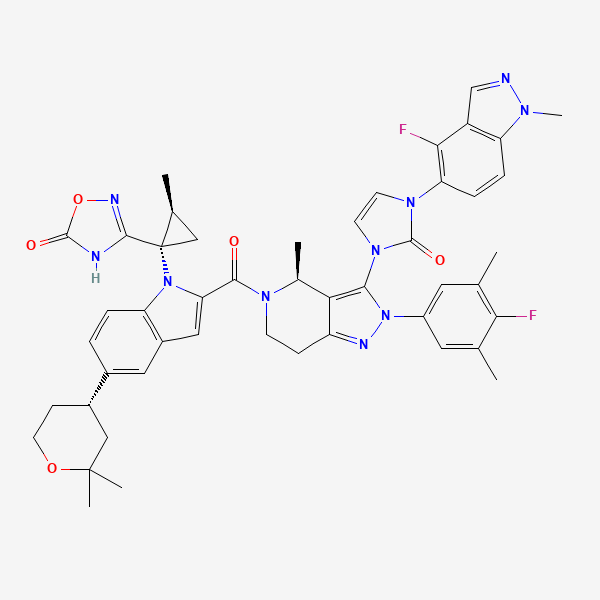
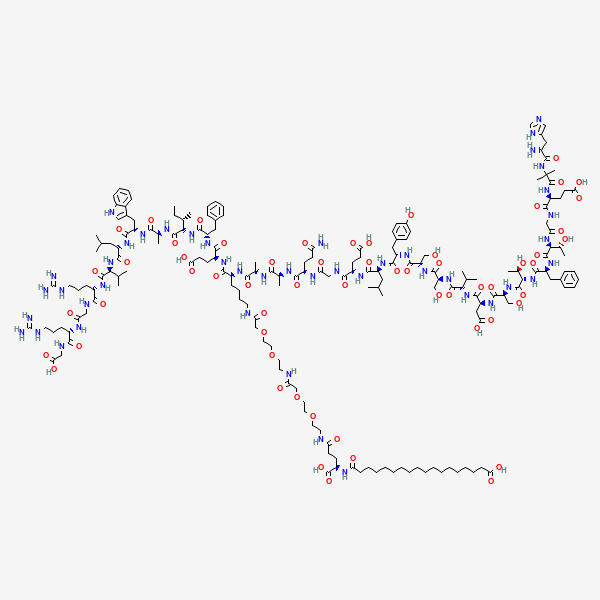
Orforglipron is a small molecule designed to switch on the GLP-1 receptor after surviving ordinary digestion; semaglutide is a modified 31-amino-acid peptide that reaches the same receptor. That chemistry drives the practical split: orforglipron is a daily tablet, while semaglutide is best known as the weekly Ozempic and Wegovy injections.
Semaglutide also comes in oral forms, so “pill versus shot” is useful shorthand, not the entire story. The sharper oral GLP-1 vs semaglutide question is whether a person wants orforglipron’s simple meal-independent tablet, oral semaglutide’s peptide formulation, or a weekly pen that avoids daily dosing altogether.
Which option is simpler to take?
Orforglipron is the simpler oral routine: Foundayo is taken once daily with or without food, and the FDA label does not require a fasting period or a limited sip of water. Injectable semaglutide is simpler by frequency because Ozempic and Wegovy are taken once weekly. Oral semaglutide is daily but carries specific food-and-water timing instructions.
That distinction matters more than the word “oral.” A pill that must fit around breakfast behaves differently in real life from one that can be taken any time. For a reader comparing oral semaglutide vs orforglipron, orforglipron wins the timing contest; semaglutide wins if remembering one weekly dose feels easier than remembering seven daily tablets.
What does the head-to-head trial show?
ACHIEVE-3 directly compared once-daily orforglipron with once-daily oral semaglutide in 1,698 adults whose type 2 diabetes was inadequately controlled with metformin. At 52 weeks, the efficacy analysis found larger average A1C and weight reductions with the studied 12 mg and 36 mg orforglipron regimens than with oral semaglutide 7 mg and 14 mg.
At the highest studied doses, mean A1C changed by -2.2 percentage points with orforglipron 36 mg and -1.4 points with oral semaglutide 14 mg; mean body weight changed by -9.2% and -5.3%, respectively. Those are direct randomized data, but the boundary is crucial: ACHIEVE-3 was a diabetes trial against oral semaglutide, not an orforglipron vs Wegovy obesity trial or an orforglipron-versus-Ozempic injection trial.
No randomized trial has directly compared Foundayo with weekly Wegovy for obesity. Separate studies show that both drugs reduce weight, but cross-trial percentages mix different populations, doses, formulations, and analysis rules. The evidence-grading guide explains why a direct trial deserves more weight than a tidy-looking cross-trial scoreboard.
Is orforglipron approved in 2026?
Orforglipron is FDA-approved as of July 2026, not investigational or awaiting a decision. The FDA approved Foundayo on April 1, 2026 for long-term weight reduction in adults with obesity, or overweight plus at least one weight-related condition, alongside diet and physical activity. Older pages calling orforglipron “under review” are frozen before that decision.
Semaglutide remains the more established approved family. Ozempic serves type 2 diabetes, Wegovy serves chronic weight management, and semaglutide labeling includes cardiovascular-risk indications for defined groups. This is where orforglipron vs Ozempic and orforglipron vs Wegovy split: the brand name changes the indication, formulation, and evidence being compared. Approval is specific, not a class-wide permission slip. See the dated regulatory-status reference for that distinction.
How do the risks compare?
Orforglipron and semaglutide share the familiar GLP-1 pattern: nausea, vomiting, diarrhea, constipation, abdominal symptoms, and appetite reduction are common enough to shape dose escalation. Both labels also address less common serious concerns, including pancreatitis, gallbladder problems, severe gastrointestinal reactions, and dehydration-related kidney injury.
Both products carry boxed thyroid C-cell tumor warnings and contraindications for people with a personal or family history of medullary thyroid carcinoma or multiple endocrine neoplasia syndrome type 2. Semaglutide has the longer safety record simply because it has been studied and prescribed for longer. Orforglipron’s Phase 3 safety database supported approval, but years of broad real-world use cannot be compressed into launch week.
Which one costs less or is easier to access?
Neither drug has one honest nationwide price: insurance, indication, dose, pharmacy, manufacturer programs, and formulary rules can change the amount dramatically. Semaglutide has mature pharmacy channels and several approved products, but coverage can still be restrictive. Orforglipron is newly launched, so plan placement and local availability may be less settled.
Orforglipron may eventually benefit from tablet manufacturing and room-temperature storage, but lower production friction does not guarantee a lower pharmacy bill. The practical access pick is the covered product a prescriber can actually obtain for the approved indication. A theoretical bargain that the plan rejects is just an expensive thought experiment.
Which drug fits which goal?
Orforglipron fits the needle-free, timing-flexible goal; semaglutide fits the weekly schedule and longest-track-record goals. The structured picks above deliberately divide the decision by need rather than handing one drug a trophy. Both profiles sit in the broader GLP-1 reference hub, where route, indication, evidence, and risk can be compared without flattening them into one ranking.
For a daily pill without breakfast choreography, orforglipron has the cleanest format. For established diabetes options, years of clinical use, and mature cardiovascular-outcomes evidence, semaglutide has the advantage. For pure weight-loss efficacy, the honest answer remains indication- and formulation-specific because the direct oral diabetes trial does not answer every injectable obesity question.
What is the bottom line?
The bottom line for orforglipron vs semaglutide is that neither is a single winner. Orforglipron offers a daily small-molecule tablet with no food or water timing rule and favorable direct data against oral semaglutide in type 2 diabetes. Semaglutide offers weekly injections, oral alternatives, broader established indications, and a longer outcomes record. Pick by route, evidence need, coverage, and approved use.
Orforglipron vs Semaglutide, point by point
Every dimension side by side — the honest differences, not a scoreboard.
| Dimension | Orforglipron | Semaglutide |
|---|---|---|
| What it is | A non-peptide, small-molecule GLP-1 receptor agonist. | A 31-amino-acid peptide GLP-1 receptor agonist. |
| Usual format | A once-daily tablet. | A once-weekly injection (Ozempic or Wegovy); oral semaglutide tablets also exist. |
| Food and water timing | Taken with or without food, without a fasting or water window. | The weekly injections avoid meal timing; oral semaglutide has specific fasting and water instructions. |
| US regulatory status (July 2026) | FDA-approved as Foundayo for chronic weight management in qualifying adults. | FDA-approved in multiple products for type 2 diabetes, chronic weight management, and certain cardiovascular-risk indications. |
| Direct comparative evidence | ACHIEVE-3 directly tested daily orforglipron against daily oral semaglutide for 52 weeks in type 2 diabetes. | The comparator was oral semaglutide 7 mg or 14 mg, not weekly injectable Ozempic or Wegovy. |
| ACHIEVE-3 efficacy estimand | At the 36 mg trial dose, mean A1C fell 2.2 percentage points and mean body weight fell 9.2% at week 52. | At 14 mg oral semaglutide, mean A1C fell 1.4 percentage points and mean body weight fell 5.3% at week 52. |
| Long-term outcomes record | Large Phase 3 programs support glucose and weight effects, but long-term real-world and cardiovascular-outcomes experience is newer. | A longer trial and real-world record includes randomized cardiovascular-outcomes evidence. |
| Cost and access | Prescription-only and newly launched; coverage and formulary access may be uneven. | Prescription-only with established pharmacy channels, although coverage, shortages, and out-of-pocket cost vary by product and indication. |
- US regulatory status (July 2026): Orforglipron was investigational until FDA approved Foundayo on April 1, 2026; descriptions calling the drug under review are now stale.
- Direct comparative evidence: No direct randomized trial has compared orforglipron with weekly injectable semaglutide for obesity; that question still relies on separate programs.
- ACHIEVE-3 efficacy estimand: These results apply to adults with type 2 diabetes taking metformin and to the formulations and doses studied; they do not settle Foundayo versus Wegovy for obesity.
Orforglipron vs Semaglutide: the two molecules
The 2D chemical structures, straight from PubChem — a quick way to see how similar (or not) the two actually are.
Which one fits which goal?
There's no universal winner here — the honest answer depends on what you're after. These picks are framed by goal, and each says why.
A needle-free pill without food or water timing rules
Leans toward Orforglipron
Foundayo is swallowed once daily with or without food, avoiding both injections and oral semaglutide's dosing window.
One dose per week instead of one per day
Leans toward Semaglutide
Injectable semaglutide uses a weekly schedule, which may be easier than remembering a tablet every day.
The longest established evidence and access record
Leans toward Semaglutide
Semaglutide has more years of approved use, established diabetes and obesity products, and mature cardiovascular-outcomes evidence.
An oral GLP-1 with direct trial evidence against oral semaglutide
Leans toward Orforglipron
ACHIEVE-3 favored the studied orforglipron doses over oral semaglutide 7 mg and 14 mg for A1C and weight at 52 weeks in type 2 diabetes.