Palmitoyl Tripeptide-1 vs SNAP-8
Palmitoyl Tripeptide-1 vs SNAP-8: compare a collagen signal peptide with a wrinkle-focused neuropeptide, including evidence limits and by-goal picks.
Palmitoyl Tripeptide-1 vs SNAP-8 is a signal peptide vs neuropeptide choice, not a winner-take-all contest: Pal-GHK sends fibroblasts a collagen-repair message, while SNAP-8 (acetyl octapeptide-3) is designed to disrupt SNARE/SNAP-25 assembly and soften expression lines. No trial has compared them directly; this weighs their separate, mostly supplier-generated evidence.
Which peptide fits which skin goal?
Palmitoyl Tripeptide-1 fits gradual collagen-support goals; SNAP-8 fits the narrower idea of softening lines made by repeated facial movement. The practical split is static versus dynamic: a line that remains while your face rests points toward the Pal-GHK profile, while one that deepens when you squint points toward the SNAP-8 profile. Neither route earns a universal crown.
The ingredient names matter. Palmitoyl Tripeptide-1 is Pal-GHK, not Pal-KTTKS. Pal-KTTKS is palmitoyl pentapeptide-4, the original Matrixyl peptide; Matrixyl 3000 instead combines Palmitoyl Tripeptide-1 with palmitoyl tetrapeptide-7. That makes matrixyl 3000 vs snap-8 a blend-versus-single-peptide question, not another name for this head-to-head.
What does the evidence actually support?
palmitoyl tripeptide-1 vs SNAP-8 has no direct human trial, and neither ingredient has clean standalone human efficacy proof. Palmitoyl Tripeptide-1 reaches the in-vitro tier in its profile. SNAP-8 stays at mechanistic-hypothesis: the published human study used a multi-active dissolving microneedle patch, so any benefit cannot be assigned to acetyl octapeptide-3 alone.
The useful comparison is therefore mechanism plus evidence tier, not the confident percentages repeated in sales sheets. Both remain legal cosmetic ingredients in the United States in 2026, but FDA draws a line between appearance claims and claims to increase collagen or alter muscle function. See the cosmetic peptides hub for the wider family and how we grade peptide evidence for the badge logic.
Palmitoyl Tripeptide-1 vs SNAP-8, point by point
Every dimension side by side — the honest differences, not a scoreboard.
| Dimension | Palmitoyl Tripeptide-1 | SNAP-8 |
|---|---|---|
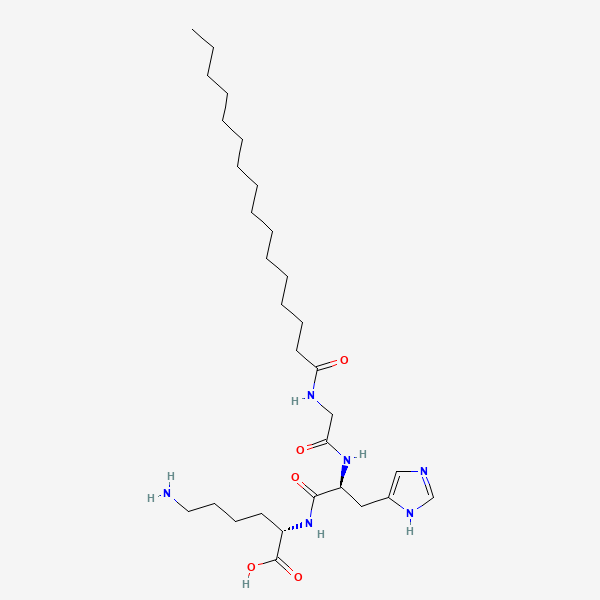
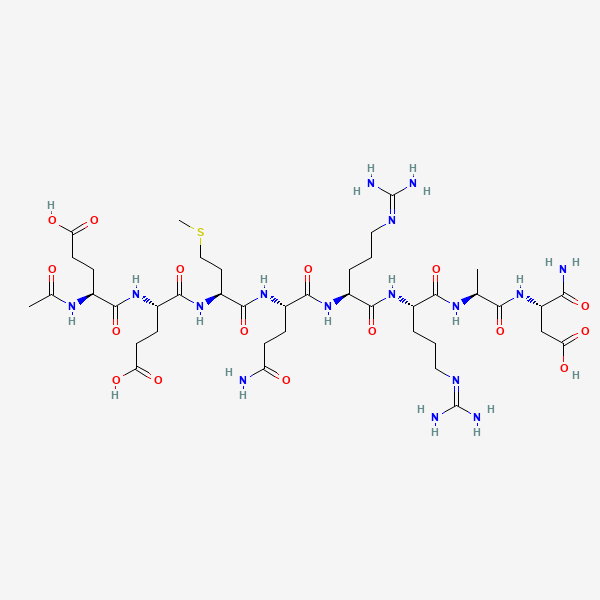
| INCI identity | Palmitoyl Tripeptide-1 (Pal-GHK): the GHK sequence, Gly-His-Lys, joined to palmitic acid. | Acetyl Octapeptide-3 (SNAP-8): an acetylated 8-amino-acid cosmetic peptide. |
| Cosmetic peptide family | Signal peptide: mimics a collagen-fragment repair message directed at dermal fibroblasts. | Neurotransmitter-inhibitor peptide, commonly shortened to neuropeptide in cosmetic marketing. |
| Best-matched line type | Fine lines associated with collagen loss, texture, and reduced firmness. | Dynamic expression lines that deepen with frowning, squinting, or smiling. |
| Proposed mechanism | Pal-GHK acts as a matrikine signal, asking fibroblasts to produce collagen and other extracellular-matrix material. | Acetyl octapeptide-3 is proposed to interfere with SNARE/SNAP-25 assembly and reduce neurotransmitter release linked to facial contraction. |
| Evidence in people | No clean human efficacy trial isolates Palmitoyl Tripeptide-1; most cosmetic results come from blends such as Matrixyl 3000. | A 24-person study tested a multi-active dissolving microneedle patch containing acetyl octapeptide-3, not SNAP-8 alone in a standard serum. |
| Profile evidence tier | In-vitro; None-in-humans; verdict unknown for visible wrinkle reduction. | Mechanistic-hypothesis; None-in-humans; verdict unknown. |
| Clinically validated concentration | None for the isolated ingredient. Cosmetic use levels are formulation information, not a validated clinical dose. | None for a standard topical serum. Common concentration claims come from supplier guidance rather than dose-ranging trials. |
| Matrixyl context | Palmitoyl Tripeptide-1 is one half of Matrixyl 3000, paired with palmitoyl tetrapeptide-7. | SNAP-8 is a separate acetyl octapeptide; matrixyl 3000 vs snap-8 is therefore a blend-versus-single-ingredient comparison. |
| US regulatory status (2026) | Used in topical cosmetics; not an FDA-approved drug and not subject to cosmetic-ingredient premarket approval. | Used in topical cosmetics; not an FDA-approved drug and not subject to cosmetic-ingredient premarket approval. |
- INCI identity: Palmitoyl Tripeptide-1 is not Pal-KTTKS. Pal-KTTKS is palmitoyl pentapeptide-4, the peptide sold as the original Matrixyl.
- Best-matched line type: These are proposed goal matches, not outcomes established by a direct comparison.
- Proposed mechanism: The SNAP-8 mechanism has not been confirmed for a conventional topical serum in an independent human trial.
- Evidence in people: Headline efficacy numbers for both ingredients remain largely supplier-generated. No trial has compared the two compounds directly.
- Profile evidence tier: The shared comparison badge uses SNAP-8's weaker tier so neither card is overstated.
- US regulatory status (2026): Claims to increase collagen or alter muscle function can move a product from cosmetic claims into drug territory.
Palmitoyl Tripeptide-1 vs SNAP-8: the two molecules
The 2D chemical structures, straight from PubChem — a quick way to see how similar (or not) the two actually are.
Which one fits which goal?
There's no universal winner here — the honest answer depends on what you're after. These picks are framed by goal, and each says why.
Fine lines, texture, and firmness linked to collagen loss
Leans toward Palmitoyl Tripeptide-1
Pal-GHK is designed as a fibroblast-facing collagen signal, so its mechanism matches structural skin support more closely.
Expression lines that deepen with facial movement
Leans toward SNAP-8
SNAP-8 is designed around the SNARE/SNAP-25 pathway associated with nerve-triggered muscle contraction, though the topical human proof remains weak.
Choosing the option with the less-weak evidence tier
Leans toward Palmitoyl Tripeptide-1
Its profile reaches the in-vitro tier, while SNAP-8 remains a mechanistic hypothesis; neither has standalone human efficacy proof.
References
- 1.Palmitoyl Tripeptide-1 — compound record, CID 10231864 (PubChem)
- 2.Acetyl octapeptide-3 — compound record, CID 76283482 (PubChem)
- 3.CIR safety assessment of Tripeptide-1 and its fatty acyl derivatives
- 4.Multi-active microneedle patch containing acetyl octapeptide-3 — human comparative study (PubMed)
- 5.FDA — wrinkle treatments and other anti-aging products