PE-22-28 vs Semax
How PE-22-28 and Semax compare — what each is, how strong the human evidence is for each, doses reported in research, the key risks, and 2026 US legal status. No universal winner.
PE-22-28 and Semax come up together when people are weighing similar options. Here's the honest side-by-side: what each is, how strong the human evidence is for each, the doses reported in research, the risks, and where each stands with the FDA as of 2026. There's no universal winner — scroll to the by-goal picks for which one fits which goal.
PE-22-28 vs Semax, point by point
Every dimension side by side — the honest differences, not a scoreboard.
| Dimension | PE-22-28 | Semax |
|---|---|---|
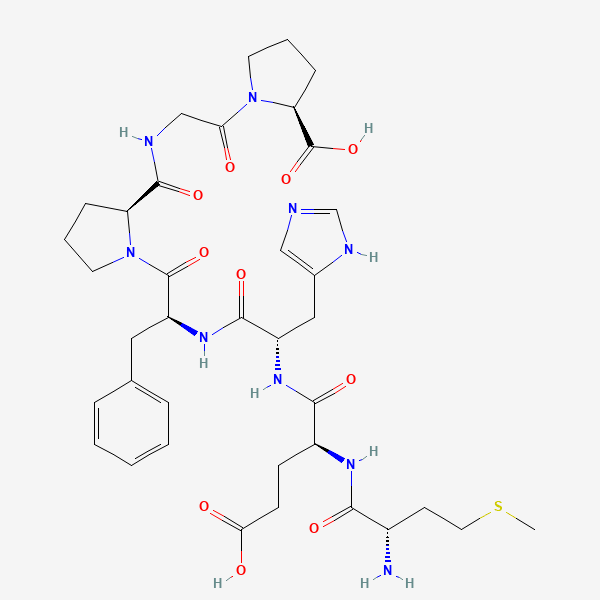
| What it is | Synthetic heptapeptide spadin analog and TREK-1 potassium-channel blocker | Synthetic heptapeptide — an analog of ACTH(4-10) (the Met-Glu-His-Phe fragment with a Pro-Gly-Pro tail added for stability) |
| Class / category | Nootropic / mental-health | Nootropic / mental-health |
| Evidence tier | Animal-only · Unclear · none in humans | Animal-only · Unclear |
| Studied / approved for | Depression-like behavior in mice; Hippocampal neurogenesis in mice | Cognitive enhancement / focus; Neuroprotection after ischemic stroke; Attention and mood support |
| US regulatory status (2026) | research use only (as of Jul 2026) | research use only (as of Jul 2026) |
| Doses reported in research | No established study doses | No established study doses |
| Registered trials (ClinicalTrials.gov) | No data | 0 |
| Banned in sport (WADA) | Yes — on the WADA prohibited list | No |
| Key risks | PE-22-28 has no published human safety dataset, established adverse-event rate, or long-term toxicity record. Cell experiments reported selectivity for TREK-1 over several related channels and no hERG effect under the tested conditions, but those assays cannot establish safety in a person. Research-market product identity, purity, and sterility add separate unknowns. | Semax is generally reported as well tolerated, and Russia's decades of clinical use as a nasal medicine is reassuring. But rigorous long-term Western safety data is limited, most controlled data comes from short courses, and the research-grade powder sold outside Russia is unregulated — so what a given vial actually contains — purity, true dose, sterility — comes down to the seller. |
- Evidence tier: A tier reflects how human the evidence is, not a promise the compound works.
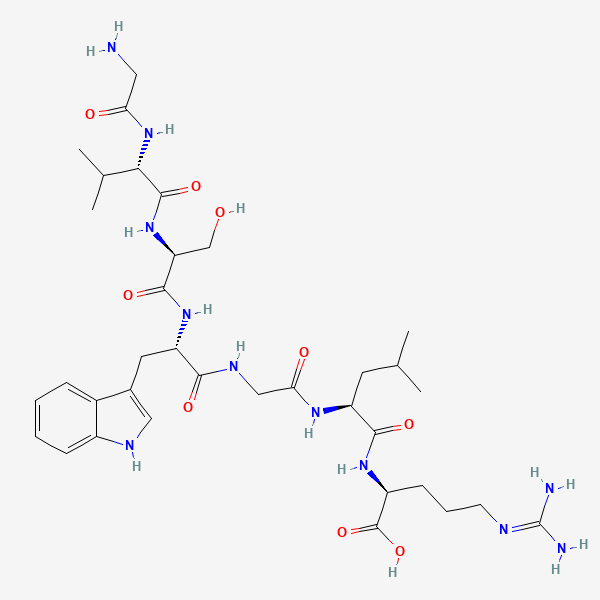
PE-22-28 vs Semax: the two molecules
The 2D chemical structures, straight from PubChem — a quick way to see how similar (or not) the two actually are.
Which one fits which goal?
There's no universal winner here — the honest answer depends on what you're after. These picks are framed by goal, and each says why.
Which one fits your goal
These two overlap enough that the honest call comes down to your specific goal and how much human evidence you want before trying something. Compare the differences in the table above — there's no universal winner here.