Petrelintide vs Semaglutide
How Petrelintide and Semaglutide compare — what each is, how strong the human evidence is for each, doses reported in research, the key risks, and 2026 US legal status. No universal winner.
Petrelintide and Semaglutide come up together when people are weighing similar options. Here's the honest side-by-side: what each is, how strong the human evidence is for each, the doses reported in research, the risks, and where each stands with the FDA as of 2026. There's no universal winner — scroll to the by-goal picks for which one fits which goal.
Petrelintide vs Semaglutide, point by point
Every dimension side by side — the honest differences, not a scoreboard.
| Dimension | Petrelintide | Semaglutide |
|---|---|---|
| What it is | Long-acting synthetic human amylin analog | GLP-1 receptor agonist (a synthetic analog of the human gut hormone glucagon-like peptide-1) |
| Class / category | Incretin / metabolic | Incretin / metabolic |
| Evidence tier | Human RCT · Helped | Human RCT · Helped |
| Studied / approved for | Chronic weight management; Weight management in people with type 2 diabetes | Type 2 diabetes (blood-sugar control); Chronic weight management in obesity or overweight; Cardiovascular risk reduction |
| US regulatory status (2026) | investigational (as of Jul 2026) | fda approved (as of Jul 2026) — approved for Type 2 diabetes (Ozempic, Rybelsus), Chronic weight management (Wegovy), Cardiovascular risk reduction |
| Doses reported in research | No established study doses | No established study doses |
| Registered trials (ClinicalTrials.gov) | No data | 790 |
| Banned in sport (WADA) | Yes — on the WADA prohibited list | No |
| Key risks | ZUPREME-1 found similar overall adverse-event and serious-adverse-event rates with pooled petrelintide and placebo, but nausea was more common with petrelintide. Most gastrointestinal events were mild. One 51-week Phase 2 trial cannot establish long-term safety, rare harms, or safety in routine care. | Semaglutide is one of the most-studied peptides in humans, so its risks are well characterized rather than guessed at. The common side effects are gastrointestinal — nausea, vomiting, diarrhea, constipation — usually worst during dose increases. Less common but serious concerns include pancreatitis and gallbladder disease, and the label carries a boxed warning about thyroid C-cell tumors seen in rodents, which is why it is contraindicated in people with a personal or family history of medullary thyroid cancer or MEN 2. |
- Evidence tier: A tier reflects how human the evidence is, not a promise the compound works.
Petrelintide vs Semaglutide: the two molecules
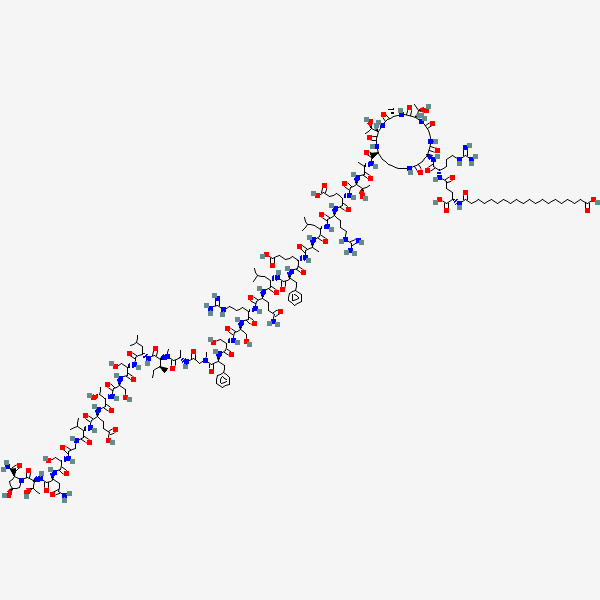
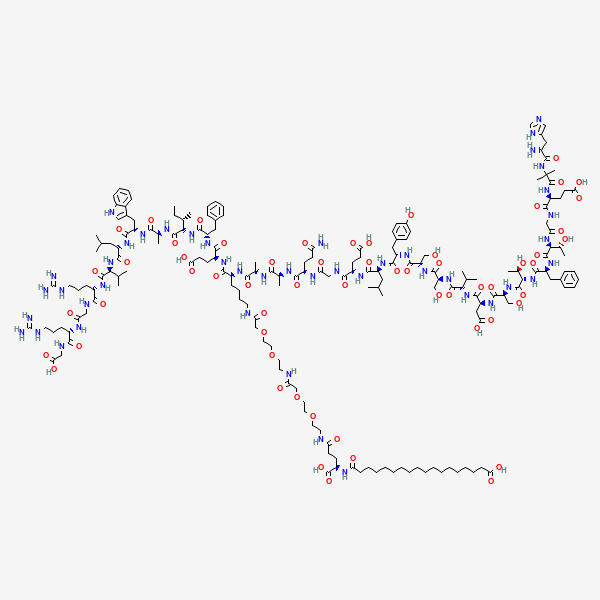
The 2D chemical structures, straight from PubChem — a quick way to see how similar (or not) the two actually are.
Which one fits which goal?
There's no universal winner here — the honest answer depends on what you're after. These picks are framed by goal, and each says why.
If you want an FDA-approved, prescribable option
Leans toward Semaglutide
Semaglutide is FDA-approved (as of Jul 2026); Petrelintide is investigational in the US, so it isn't available as an approved prescription.