Tesofensine vs Semaglutide
Tesofensine vs Semaglutide compares separate human trials, mechanisms, heart-rate risks, and their very different FDA status in 2026.
Tesofensine vs Semaglutide is not an even clinical contest: Semaglutide is an FDA-approved GLP-1 peptide with large Phase 3 and outcomes programs, while tesofensine is a non-peptide monoamine drug supported mainly by a smaller Phase 2 obesity trial. No trial has compared them directly; this page weighs their separate evidence.
Has any trial compared tesofensine with semaglutide directly?
No direct randomized trial has tested tesofensine against semaglutide, Ozempic, Wegovy, or Wegovy HD. Every tesofensine weight loss comparison therefore crosses different study populations, treatment periods, and trial eras. A tidy percentage table can look like a horse race; scientifically, it is two horses on different tracks.
That distinction matters because semaglutide vs tesofensine search results often place 24-week tesofensine data beside 68- or 72-week semaglutide data as though the numbers came from one protocol. They did not. The honest method is to compare the strength and maturity of each evidence program, then keep the raw results attached to their original dose and timeline. Both compounds earn a Human RCT badge, but the badge does not mean equal sample size, follow-up, regulatory review, or certainty. Our evidence-grading guide explains why study stage still matters within the same tier.
What did the weight-loss trials actually find?
Semaglutide has the larger and later-stage evidence base. The 2026 FDA label describes a 72-week obesity trial in which once-weekly semaglutide 7.2 mg produced 18.7% mean weight loss, versus 15.6% with 2.4 mg and 3.9% with placebo. The FDA approved that higher injection dose as Wegovy HD in March 2026 after reviewing two 72-week randomized trials (FDA label).
Tesofensine produced a real dose-response signal, but the commonly repeated number needs correcting. In the 203-person, 24-week Phase 2 trial, placebo-subtracted mean weight loss was 4.5% at 0.25 mg, 9.2% at 0.5 mg, and 10.6% at 1.0 mg—not 10.6% at 0.5 mg (Astrup et al., PMID 18950853). The Lancet later published an expression of concern tied to the trial. That does not erase the result, but it belongs beside the headline rather than in the footnotes.
The tesofensine vs semaglutide evidence therefore says more than “roughly 10% versus roughly 19%.” Semaglutide’s result comes from a Phase 3 program that reached FDA review and approval. Tesofensine’s standalone obesity result remains an earlier, shorter signal that never completed the US approval path.
How do the two compounds work?
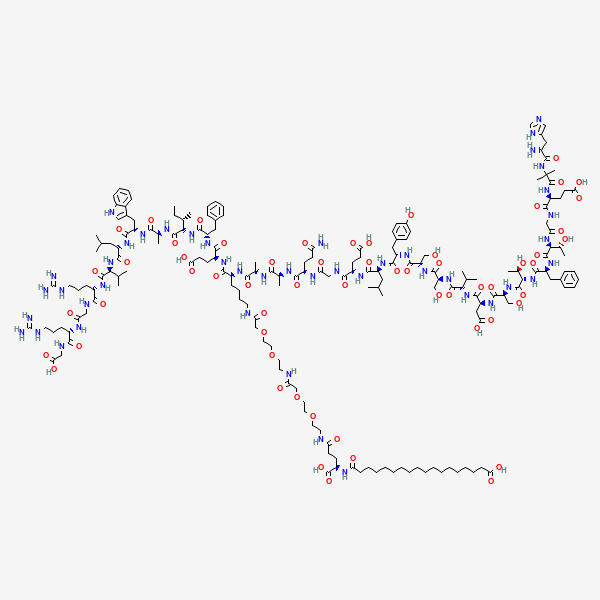
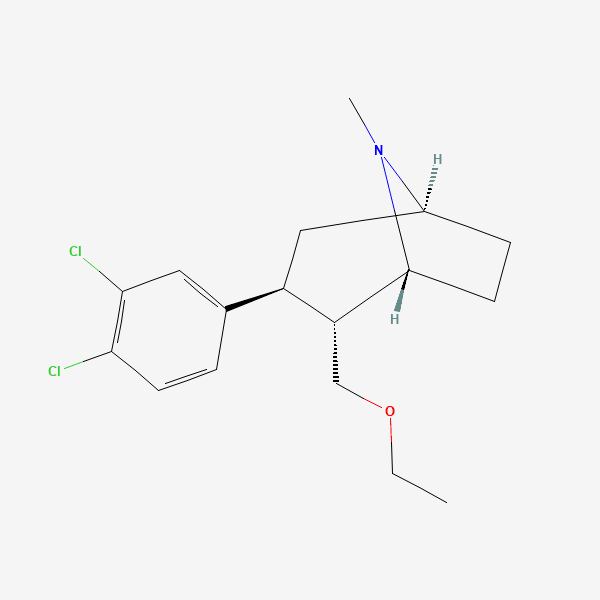
Semaglutide works through GLP-1 biology; tesofensine works through brain monoamines. Semaglutide is a peptide that activates the GLP-1 receptor, strengthening the after-meal fullness signal, lowering calorie intake, and slowing stomach emptying. Tesofensine is a small molecule that blocks the reuptake of noradrenaline, dopamine, and serotonin. Calling both “peptides” or “GLP-1s” is chemically wrong.
The classification explains why tesofensine appears near nootropics even though people find it through weight-loss searches. Our profile uses the metabolic category for search intent and the nootropic slice as a secondary category; that overlap should not be mistaken for a shared mechanism. Readers comparing tesofensine vs Ozempic or tesofensine vs Wegovy are comparing central neurotransmitter signaling with an incretin drug. See the broader GLP-1 and metabolic hub for the actual receptor-family context.
How do safety and FDA status differ in 2026?
Semaglutide has an FDA-reviewed safety and dosing framework; tesofensine does not. Wegovy commonly causes nausea, vomiting, diarrhea, constipation, and abdominal pain, and its label carries a boxed warning about thyroid C-cell tumors seen in rodents. Wegovy HD adds a dose-related altered-skin-sensation signal: dysesthesia was reported in 22% at 7.2 mg versus 6% at 2.4 mg in the label’s pooled safety data.
Tesofensine’s central concern is cardiovascular stimulation. At 0.5 mg in the pivotal trial, heart rate rose by 7.4 beats per minute versus placebo even though systolic and diastolic blood pressure did not rise significantly at that dose. Blood-pressure concern increased at 1.0 mg, alongside dry mouth, nausea, constipation, diarrhea, and insomnia. Later developers paired 0.5 mg tesofensine with metoprolol, a beta-blocker, in Tesomet. The FDA granted that combination orphan designation for hypothalamic obesity in 2021, but the agency’s current record still says not FDA approved (FDA orphan record).
The useful 2026 framing is not “approved injection versus equivalent research pill.” It is an approved peptide with extensive outcomes data versus a standalone Phase 2 monoamine drug whose later development shifted to a beta-blocker combination. That is a much wider gap than route of administration.
Which option fits which goal?
Semaglutide fits approved weight management and cardiovascular-outcome goals; tesofensine fits only the research question of how triple monoamine reuptake inhibition affects appetite. There is no responsible universal winner because a licensed treatment choice and an experimental mechanism are not interchangeable goals.
For approved chronic weight management, the by-goal pick is semaglutide: Wegovy now includes weekly injections up to 7.2 mg for eligible adults and a daily oral tablet, so “pill versus injection” no longer cleanly separates the two. For studying a central appetite suppressant, tesofensine is the relevant compound, but its positive Human RCT signal does not turn gray-market material into an approved medicine.
That is the part sales pages tend to sand smooth. Both molecules changed weight in randomized human trials. Only one completed the regulatory work needed to convert that finding into an FDA-approved obesity drug, while the other still carries an unsettled heart-rate and development story.
Tesofensine vs Semaglutide, point by point
Every dimension side by side — the honest differences, not a scoreboard.
| Dimension | Tesofensine | Semaglutide |
|---|---|---|
| What it is | A 31-amino-acid peptide and GLP-1 receptor agonist. | A tropane-derived small molecule and triple monoamine reuptake inhibitor; not a peptide or GLP-1 drug. |
| How appetite is reduced | Activates GLP-1 receptors, increases fullness, lowers calorie intake, and delays gastric emptying. | Blocks noradrenaline, dopamine, and serotonin reuptake, changing central appetite and satiety signaling. |
| Weight-loss evidence | Large Phase 3 programs; in a 72-week trial, Wegovy 7.2 mg averaged 18.7% weight loss versus 15.6% with 2.4 mg and 3.9% with placebo. | One pivotal 24-week Phase 2 obesity trial; placebo-subtracted loss was 9.2% at 0.5 mg and 10.6% at 1.0 mg. |
| Studied format | Once-weekly injection; FDA-approved oral Wegovy tablets also exist. | Once-daily oral tablet in trials. |
| US regulatory status (2026) | FDA-approved as Wegovy for chronic weight management; Wegovy HD 7.2 mg was approved in March 2026. | Not FDA-approved. Tesofensine plus metoprolol has orphan designation for hypothalamic obesity, but the FDA record says it is not approved for that indication. |
| Main safety contrast | Mostly gastrointestinal adverse effects; the label also carries a boxed thyroid C-cell tumor warning based on rodents. | Dry mouth, nausea, constipation, diarrhea, and insomnia, plus a dose-linked pulse signal; heart rate rose 7.4 beats/minute at 0.5 mg in the pivotal trial. |
- Weight-loss evidence: These were separate trials with different populations, durations, doses, and designs. No direct head-to-head trial exists.
Tesofensine vs Semaglutide: the two molecules
The 2D chemical structures, straight from PubChem — a quick way to see how similar (or not) the two actually are.
Which one fits which goal?
There's no universal winner here — the honest answer depends on what you're after. These picks are framed by goal, and each says why.
FDA-approved chronic weight management
Leans toward Tesofensine
Semaglutide has completed large Phase 3 programs, has an FDA-reviewed label, and is available in approved injectable and oral Wegovy forms.
An approved option with cardiovascular-outcome evidence
Leans toward Tesofensine
Semaglutide has randomized cardiovascular-outcome evidence and an FDA indication for cardiovascular risk reduction; tesofensine does not.
Studying central monoamine appetite suppression
Leans toward Semaglutide
Tesofensine is the relevant research compound when the question is oral triple-reuptake inhibition rather than GLP-1 biology; that is a research distinction, not an approved-use recommendation.