Sermorelin vs Tesamorelin
Sermorelin vs Tesamorelin: compare approval history, visceral-fat evidence, GH release, study doses, risks, and the better fit by goal.
Sermorelin vs Tesamorelin is a choice between two GHRH analogs with very different evidence and legal footing. Tesamorelin has FDA approval and human randomized trials for excess visceral abdominal fat in HIV-associated lipodystrophy; sermorelin has older controlled human evidence for stimulating growth hormone, but its modern compounded anti-aging use remains mixed and less certain.
How do sermorelin and tesamorelin work?
Sermorelin and tesamorelin both activate the growth hormone-releasing hormone receptor on the pituitary gland, prompting the body to release its own growth hormone and raise insulin-like growth factor 1 (IGF-1). Neither compound is injected growth hormone. Both work one step upstream, more like nudging the thermostat than bringing in a separate space heater.
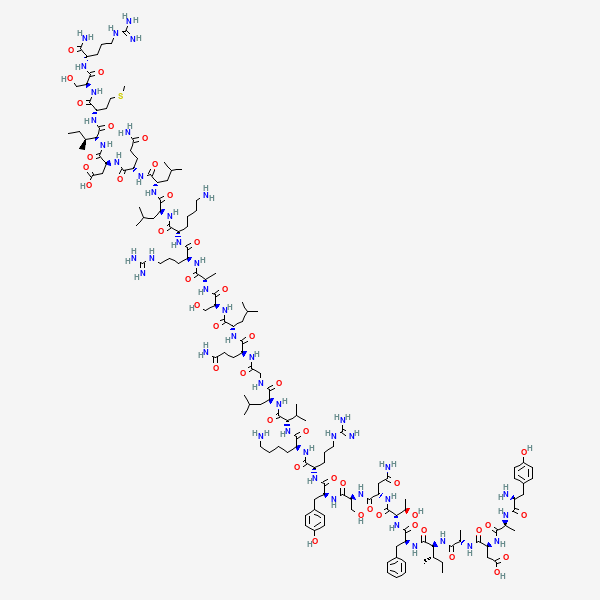
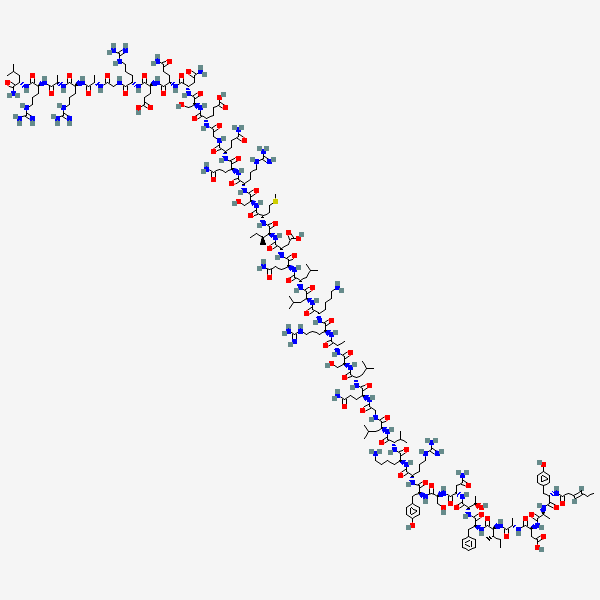
Sermorelin copies the 29-amino-acid active portion of natural GHRH. Tesamorelin is a 44-amino-acid analog with an added hexenoyl group designed to protect the molecule from rapid breakdown. That structural change supports a stability advantage over native GHRH, but it does not prove that tesamorelin is universally more potent than sermorelin. No direct potency trial between the two appears in the cited literature.
Both belong to the broader growth-hormone peptide family, yet the same pathway does not make them interchangeable. Their clinical development programs chased different outcomes.
Which compound has stronger human evidence?
Tesamorelin has the stronger outcome-specific human evidence: randomized Phase 3 trials support visceral-fat reduction in adults with HIV-associated lipodystrophy. Sermorelin also has controlled human evidence, but its clearest result is pharmacologic — the pituitary releases growth hormone — rather than proof of broad anti-aging, recovery, or body-composition benefits.
The mixed tiers matter. Tesamorelin earns a Human RCT · Helped grade for visceral abdominal fat in its approved population. The pivotal research used 2 mg daily for 26 weeks and underpins the Egrifta approval (NCT00123253). Sermorelin earns Human Controlled · Mixed overall: human studies show that the signal works, while the outcomes promoted by anti-aging clinics remain less settled (sermorelin human-research index).
No trial has compared them directly; this page weighs their separate evidence. A PubMed search for both names is not a substitute for a randomized head-to-head study, and this comparison does not pretend otherwise.
Which is the better fit for visceral fat?
Tesamorelin is the evidence-backed pick for reducing excess visceral abdominal fat in adults with HIV-associated lipodystrophy because that is its FDA-approved indication. Sermorelin has no matching approval or comparable Phase 3 outcome data, so choosing sermorelin for that exact goal would mean stepping away from the stronger, indication-specific evidence.
Visceral fat is the deep abdominal fat packed around the organs, not simply the pinchable fat under the skin. Egrifta’s prescribing information limits the approved use to HIV-associated lipodystrophy and does not turn tesamorelin into a general weight-loss drug (DailyMed). That boundary matters for anyone searching egrifta vs sermorelin after hearing that both raise growth hormone.
For ordinary obesity, bodybuilding cuts, or non-HIV belly fat, tesamorelin use falls outside that approved indication. The human data are still more substantial than sermorelin’s body-composition record, but population and purpose cannot be quietly swapped.
Is sermorelin or tesamorelin better for general GH release?
Sermorelin is the more typical fit for general GH-secretagogue use in compounding and anti-aging clinics, while tesamorelin is the more specialized prescription drug. Sermorelin reliably provokes growth-hormone release in humans, but that laboratory effect should not be stretched into a promise of better sleep, faster recovery, fat loss, or younger biology.
The question sermorelin or tesamorelin therefore needs a goal attached. For a clinician treating the approved HIV visceral-fat indication, tesamorelin has the clear regulatory and trial advantage. For a compounding-clinic discussion centered on a shorter GHRH fragment and general GH stimulation, sermorelin is the customary comparison point — with the important limit that it is not currently FDA-approved and its anti-aging payoff remains mixed.
That is also why tesamorelin vs sermorelin cannot be reduced to “stronger is better.” A drug optimized and tested for one defined condition is not automatically the right tool for every reason someone might want higher GH or IGF-1.
How do dosing and product status differ?
Tesamorelin has a labeled, trial-backed regimen; sermorelin does not have a current FDA-approved regimen. The tesamorelin profile records 2 mg by subcutaneous injection once daily in the pivotal program, while the sermorelin profile contains no numeric anti-aging dose in its sourced study-dose field. Compounded practice is not the same as an approved label.
This difference is practical, not cosmetic. Egrifta is a standardized prescription product with prescribing information, contraindications, and trial-defined use. Modern sermorelin generally comes through compounding or research channels after the former Geref product left the US market. Purity, concentration, and instructions can therefore depend on the source.
Dose comparisons can also mislead because milligrams do not translate cleanly across different molecules. Tesamorelin’s 2 mg label does not prove that it is “twice as strong” as an arbitrary sermorelin amount. The molecules differ in length, stability, development history, and approved purpose.
Do sermorelin and tesamorelin have the same risks?
Sermorelin and tesamorelin share growth-hormone-axis cautions, but tesamorelin has a more detailed human safety record from FDA trials. Both raise GH and IGF-1, so active malignancy and pregnancy are major concerns; tesamorelin also carries specific warnings about glucose control, fluid retention, hypersensitivity, and pituitary-axis disruption.
Sermorelin’s profile lists injection-site reactions, flushing, headache, dizziness, and nausea. Tesamorelin’s label lists joint pain, injection-site reactions, swelling, muscle symptoms, tingling, raised blood glucose, and allergic reactions. “Uses your own GH” is not a synonym for risk-free; the pituitary may supply the hormone, but the downstream biology still counts.
Both compounds are prohibited at all times for athletes under anti-doping rules because GHRH analogs and releasing factors fall within the growth-hormone-related S2 category (USADA prohibited-list overview). The wider legal distinctions are explained in the site’s dated regulatory-status reference.
What is the bottom line on sermorelin vs tesamorelin?
sermorelin vs tesamorelin has no universal winner. Tesamorelin is the by-goal pick for its approved HIV visceral-fat use and for readers prioritizing Human RCT outcome data. Sermorelin is the more typical compounded choice for general GH-secretagogue discussions, provided its discontinued approval, variable product status, and mixed anti-aging evidence stay visible.
The cleanest decision rule is indication first, molecule second. Tesamorelin’s evidence is stronger but narrower; sermorelin’s GH-release effect is established but its modern wellness claims reach beyond what controlled outcomes have settled. The distinction between a biochemical effect and a meaningful health outcome is the useful part of this comparison — and the reason the site’s evidence grades never stand alone without a verdict.
Sermorelin vs Tesamorelin, point by point
Every dimension side by side — the honest differences, not a scoreboard.
| Dimension | Sermorelin | Tesamorelin |
|---|---|---|
| What it is | A 29-amino-acid copy of the active fragment of human growth hormone-releasing hormone (GHRH). | A 44-amino-acid GHRH analog with a stabilizing hexenoyl group. |
| Primary clinical history | Formerly approved as Geref for diagnosing and treating growth hormone deficiency; now discontinued and used mainly through compounding clinics. | FDA-approved as Egrifta for reducing excess abdominal fat in adults with HIV-associated lipodystrophy. |
| Evidence tier | Human Controlled, mixed verdict: reliably releases GH, but anti-aging and body-composition outcomes are not settled. | Human RCT, helped verdict: Phase 3 trials support visceral-fat reduction in the approved HIV population. |
| Stability and comparative potency | Shorter active GHRH fragment without tesamorelin's added hexenoyl stabilizer. | Stabilized analog designed to resist breakdown longer than native GHRH. |
| Dose documented in the profiles | No numeric anti-aging dose is established in the profile's sourced study-dose field; compounded practice varies. | The pivotal trials and Egrifta labeling used 2 mg by subcutaneous injection once daily. |
| US regulatory status (2026) | Not currently FDA-approved; the former Geref product was discontinued, and present access is mainly compounded or research-grade. | FDA-approved by prescription only for excess visceral abdominal fat in HIV-associated lipodystrophy; other uses are off-label. |
| Main safety issues | Injection-site reactions, flushing, headache, dizziness, nausea, and growth-hormone-axis cautions. | Joint pain, injection-site reactions, fluid retention, raised glucose, hypersensitivity, and increased IGF-1. |
- Evidence tier: The tiers differ by compound and outcome. No trial has compared sermorelin and tesamorelin directly; this comparison weighs their separate evidence.
- Stability and comparative potency: Structure supports a stability distinction, but no direct trial establishes a potency winner between the two.
Sermorelin vs Tesamorelin: the two molecules
The 2D chemical structures, straight from PubChem — a quick way to see how similar (or not) the two actually are.
Which one fits which goal?
There's no universal winner here — the honest answer depends on what you're after. These picks are framed by goal, and each says why.
Reducing excess visceral abdominal fat in HIV-associated lipodystrophy
Leans toward Tesamorelin
Tesamorelin is FDA-approved for this exact use and is backed by Phase 3 human randomized trials.
General GH-secretagogue use through a compounding clinic
Leans toward Sermorelin
Sermorelin is the simpler GHRH(1-29) signal commonly used in that setting, although anti-aging and body-composition benefits remain mixed and it is not currently FDA-approved.
Choosing the option with stronger outcome-specific human evidence
Leans toward Tesamorelin
Tesamorelin has Human RCT evidence for visceral-fat reduction; sermorelin's strongest human evidence is for provoking growth-hormone release, not a broad anti-aging outcome.
References
- 1.Sermorelin — indexed human research (PubMed, National Library of Medicine)
- 2.Sermorelin and tesamorelin — comparative literature search (PubMed)
- 3.EGRIFTA (tesamorelin) prescribing information — DailyMed
- 4.Pivotal Phase 3 trial — tesamorelin in HIV-associated lipodystrophy (NCT00123253)
- 5.WADA Prohibited List — peptide hormones and growth factors (via USADA)